
Mesenteric Artery Disease
Insights and Management
Mesenteric artery disease is a serious condition affecting the arteries that supply blood to the intestines and stomach, vital for digestion. This disease can manifest acutely or chronically, both posing significant health risks.
Mesenteric artery disease happens when the arteries that carry blood to the intestines become narrowed or blocked. This can reduce oxygen supply to the bowel and cause pain after meals, food avoidance and weight loss over time. If blood flow stops suddenly, it is a medical emergency. I tell patients to think of these arteries as the blood supply lines to the digestive system. If those lines narrow gradually, symptoms may appear only after eating. If one blocks suddenly, the intestine can be damaged quickly. This is why a repeated pattern of pain after food should not be dismissed as acidity or indigestion without proper evaluation.
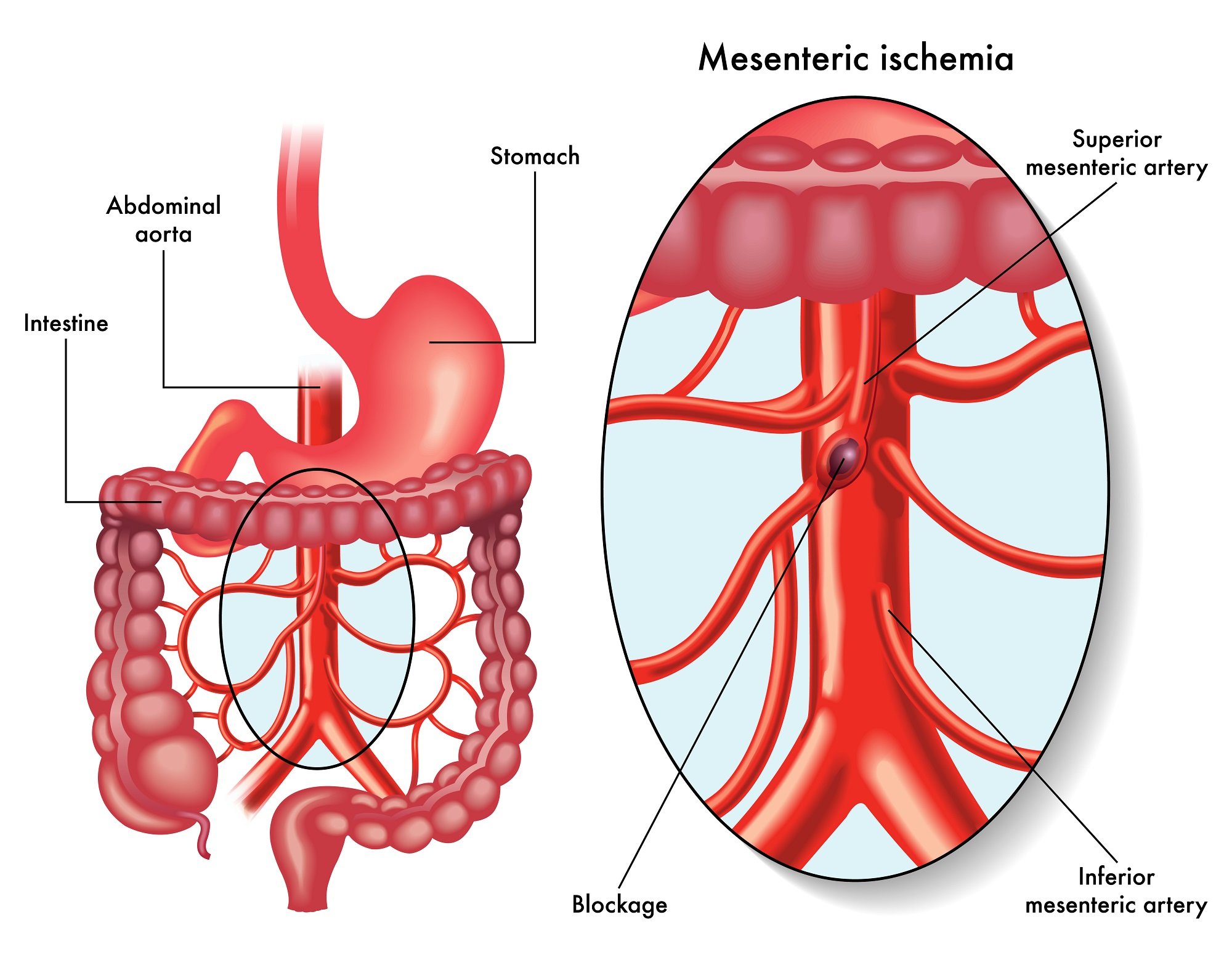
Types of Mesenteric Artery Disease
- Acute Mesenteric Ischemia: This emergency condition occurs when blood flow to the intestines is suddenly blocked, often by a clot. It’s life-threatening and requires immediate medical attention.
- Chronic Mesenteric Ischemia: Gradually develops over years due to atherosclerosis, leading to narrowed arteries and reduced blood flow to the intestines.
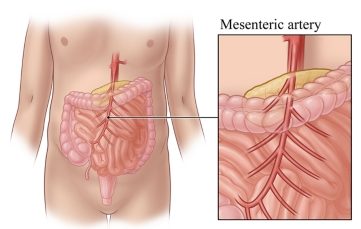
- The Coeliac Trunk Superior Mesenteric Artery, and Inferior Mesenteric Artery are the three main arteries responsible for supplying blood to the small and large intestines.
What are the mesenteric arteries?
Three main arteries supply blood to the abdominal organs:
- Celiac artery: Supplies the stomach, liver, spleen and upper part of the digestive tract.
- Superior mesenteric artery (SMA): Supplies most of the small intestine and part of the large intestine.
- Inferior mesenteric artery (IMA): Supplies the remaining large intestine.
Mesenteric artery disease usually refers to narrowing, blockage or reduced blood flow in one or more of these arteries. The medical term for inadequate intestinal blood flow is mesenteric ischaemia.
Causes
- Acute Ischemia: Often caused by clots that originate in the heart, especially in individuals with heart disease or irregular heartbeats
- Chronic Ischemia: Atherosclerosis, or hardening of the arteries, is the primary cause, slowing blood flow over time.
Symptoms to Watch For
- Acute Mesenteric Ischemia: Sudden, severe abdominal pain.
- Chronic Mesenteric Ischemia: Stomach pain occurring 15–60 minutes after eating, lasting up to 2 hours, and recurring with meals.Additional symptoms include nausea, vomiting, diarrhea, flatulence, fear of eating due to associated pain (food fright), and unintentional weight loss.
What is the difference between acute and chronic mesenteric ischaemia?
| Type | How it develops | Typical pattern | Urgency |
| Acute mesenteric ischaemia | Sudden blockage, often from a clot | Sudden, severe abdominal pain | Emergency |
| Chronic mesenteric ischaemia | Gradual narrowing from plaque build-up | Pain after meals, reduced food intake, weight loss | Needs prompt vascular assessment |
Acute mesenteric ischaemia
Acute disease occurs when blood flow drops suddenly. A clot may travel from the heart and block a mesenteric artery, especially in people with irregular heart rhythm such as atrial fibrillation.
The pain may be severe and begin suddenly. Nausea, vomiting, bloating, diarrhoea or blood in the stool can occur. This is not a condition to watch at home. Immediate emergency assessment is needed.
Chronic mesenteric ischaemia
Chronic disease develops slowly, usually because of atherosclerosis. This is the same plaque-building process that can affect the heart, brain, kidney and leg arteries.
The classic symptom is pain that begins around 15 to 60 minutes after eating and may last for one to two hours. Patients often start eating smaller meals or avoid food because they know pain will follow. Over time, this can lead to unintentional weight loss and weakness. This pattern is also called abdominal angina.
Diagnosing Mesenteric Artery Disease
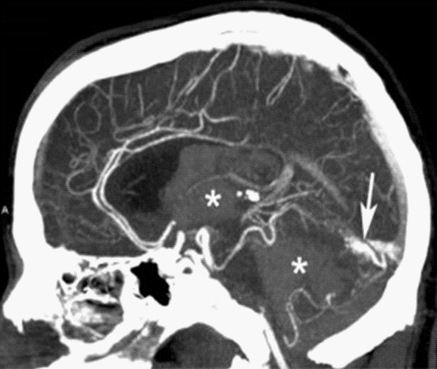
A Computed Tomography (CT) Scan, specifically a CT Angiogram, is the preferred diagnostic test. It produces detailed images that help identify arterial blockages and assess the condition of abdominal organs.
Treatment Approaches
The primary goal is to restore adequate blood flow to the intestines to prevent permanent damage.
- Acute Cases: Emergency Intervention: Rapid action is essential to prevent severe intestinal damage.
Treatments Include:
- Open Surgery: To remove clots and evaluate intestinal health.
- Clot Aspiration: A minimally invasive technique using negative pressure to remove the clot.
- Thrombolytic Therapy: Direct administration of strong blood thinners into the artery to dissolve the clot.
Chronic Cases:
- Minimally Invasive Endovascular Treatment: Often the first-line approach, involving:
- Balloon Angioplasty and Stenting: To widen narrowed arteries and maintain open blood flow.
- Bypass Surgery: A detour is created around the blockage using either one of your veins or a synthetic tube as a graft, restoring adequate blood flow.
Living With and Managing Mesenteric Artery Disease
Preventive measures and lifestyle modifications are critical for managing mesenteric artery disease:
- Avoid smoking to reduce the risk of arterial damage.
- Regular exercise helps maintain vascular health.
- Stay hydrated to support overall bodily functions.
- Manage chronic conditions like diabetes, hypertension, kidney failure, and heart disease that can exacerbate mesenteric artery disease.
- Follow a heart-healthy diet to reduce atherosclerosis risk.
Prompt recognition of symptoms and immediate medical intervention for acute cases, alongside diligent management of chronic conditions, are key to preventing serious complications associated with mesenteric artery disease.
What is the difference between acute and chronic mesenteric ischaemia?
| Type | How it develops | Typical pattern | Urgency |
| Acute mesenteric ischaemia | Sudden blockage, often from a clot | Sudden, severe abdominal pain | Emergency |
| Chronic mesenteric ischaemia | Gradual narrowing from plaque build-up | Pain after meals, reduced food intake, weight loss | Needs prompt vascular assessment |
Acute mesenteric ischaemia
Acute disease occurs when blood flow drops suddenly. A clot may travel from the heart and block a mesenteric artery, especially in people with irregular heart rhythm such as atrial fibrillation.
The pain may be severe and begin suddenly. Nausea, vomiting, bloating, diarrhoea or blood in the stool can occur. This is not a condition to watch at home. Immediate emergency assessment is needed.
Chronic mesenteric ischaemia
Chronic disease develops slowly, usually because of atherosclerosis. This is the same plaque-building process that can affect the heart, brain, kidney and leg arteries.
The classic symptom is pain that begins around 15 to 60 minutes after eating and may last for one to two hours. Patients often start eating smaller meals or avoid food because they know pain will follow. Over time, this can lead to unintentional weight loss and weakness. This pattern is also called abdominal angina.
What does mesenteric artery pain feel like?
Mesenteric artery pain is often felt in the upper or central abdomen. In chronic disease, it commonly starts after a normal meal and may feel like deep cramping, aching, pressure or severe indigestion.
The important clue is the pattern, not pain alone:
- It returns after meals.
- It makes the person afraid to eat.
- It is associated with reduced appetite or weight loss.
- It may occur with nausea, loose stools or bloating.
- The physical examination can sometimes appear less severe than the patient’s pain suggests.
Pain after food can also happen with ulcers, gallbladder disease, pancreatic conditions, irritable bowel syndrome and other digestive problems. It should not be self-diagnosed. However, patients with smoking history, diabetes, high cholesterol, high blood pressure, heart disease or known artery blockages need careful vascular evaluation.
What causes mesenteric artery disease?
The most common cause of chronic mesenteric artery disease is atherosclerosis. Fatty plaque builds up inside the artery wall, making the channel narrower and less flexible. Blood can still reach the bowel at rest, but after a meal the demand increases and the narrowed artery may not supply enough blood.
Other causes include:
- A blood clot travelling from the heart.
- A clot forming on top of existing arterial plaque.
- A tear in the artery wall, known as arterial dissection.
- Low blood-flow states during severe illness, heart failure or shock.
- Less commonly, inflammatory blood-vessel conditions or prior abdominal radiation.
Risk factors are similar to those for other arterial diseases. Smoking, diabetes, uncontrolled blood pressure, high cholesterol, kidney disease and established heart or leg artery disease increase concern.
If you already have peripheral arterial disease (PAD), it is important to remember that plaque can affect more than one vascular territory. Leg pain while walking and pain after meals are different symptoms, but both may point to wider arterial disease.
What happens if a mesenteric artery is blocked?
A significant blockage can prevent the bowel from receiving enough oxygen. In chronic disease, symptoms often develop gradually because the body may use smaller connecting vessels to compensate for some time.
In acute disease, there may be no time for that compensation. Prolonged loss of blood flow can injure the bowel wall, cause infection, perforation or bowel tissue death. This is why sudden severe abdominal pain, especially in someone with atrial fibrillation or known vascular disease, must be treated as urgent.
Do not rely on painkillers, antacids or home remedies to rule out a serious vascular cause.
How is mesenteric artery disease diagnosed?
Diagnosis starts with the story. I ask when the pain begins, whether it is related to meals, whether food intake has changed and whether there has been weight loss. A history of smoking, diabetes, heart disease, irregular heartbeat, stroke or PAD is equally important.
Tests may include:
Blood tests
Blood tests can show dehydration, infection, anaemia or other possible causes of abdominal pain. However, a single blood test cannot reliably exclude acute mesenteric ischaemia when symptoms are concerning.
Duplex ultrasound
A fasting Doppler or duplex ultrasound can assess blood-flow speed through the mesenteric arteries. It is non-invasive and can be useful for initial assessment and follow-up.
CT angiography
CT angiography, often called CTA, provides detailed images of the arteries and abdominal organs. It helps identify the site and extent of narrowing or blockage and also looks for other abdominal causes of pain.
Catheter angiography
In selected cases, angiography may be used when treatment is being planned. It allows the arteries to be seen directly and, in some situations, angioplasty or stenting can be performed during the same procedure.
How is mesenteric artery disease treated?
Treatment depends on whether the problem is acute or chronic, the arteries involved, the severity of symptoms and the overall health of the patient.
Acute mesenteric ischaemia needs emergency treatment
When there is a sudden arterial blockage, the priority is to restore blood flow before permanent bowel injury occurs. Treatment may involve urgent catheter-based clot removal, medication delivered directly into the artery, angioplasty and stenting, or surgery. If the bowel has already been damaged, a general surgical team may also need to be involved.
The exact approach is decided quickly after imaging and clinical assessment.
Chronic mesenteric ischaemia requires a planned vascular strategy
For chronic symptoms caused by meaningful arterial narrowing, the goal is to improve blood flow and prevent progression to acute ischaemia.
Treatment may include:
- Stopping smoking and controlling diabetes, blood pressure and cholesterol.
- Medicines for vascular risk reduction when appropriate and prescribed by the treating team.
- Nutritional support where food intake and weight have been affected.
- Endovascular treatment, usually balloon angioplasty with stenting, for suitable arterial anatomy.
- Open bypass surgery when catheter-based treatment is unsuitable, unsuccessful or unlikely to give a durable result.
For many symptomatic patients, minimally invasive treatment can restore blood flow through a small puncture in the groin or wrist. However, no procedure should be selected based on an internet description alone. The vessel pattern, plaque location, previous surgery, kidney function and bowel status all matter.
For detailed procedure-stage information, patients can also review mesenteric artery disease treatment options.
Can diet, exercise or home remedies reverse a blocked mesenteric artery?
A heart-healthy lifestyle protects the arteries and reduces future vascular risk. It is valuable before and after any intervention. This includes stopping tobacco use, taking prescribed medicines consistently, controlling diabetes and blood pressure, staying physically active as advised, and following a balanced diet.
But lifestyle measures do not safely reopen a severely narrowed or suddenly blocked mesenteric artery. A person with pain after every meal, progressive weight loss or acute severe abdominal pain should not delay assessment while trying to manage the problem naturally.
Is mesenteric artery disease the same as superior mesenteric artery syndrome?
No. They are different conditions.
Mesenteric artery disease involves reduced blood flow through an artery supplying the bowel.
Superior mesenteric artery syndrome is an uncommon condition where part of the small intestine is compressed between blood vessels, causing a different type of digestive obstruction.
The names sound similar, but the diagnosis and treatment pathway are not the same.
When should you seek urgent medical help?
Go to the nearest emergency department immediately if you have:
- Sudden, severe or worsening abdominal pain.
- Severe pain with vomiting, fainting, sweating or confusion.
- Abdominal pain with blood in the stool.
- New severe pain if you have atrial fibrillation, heart disease, prior stroke or known arterial blockages.
- Persistent abdominal pain and a swollen or tender abdomen.
For repeated pain after meals, food avoidance or unexplained weight loss, arrange a vascular assessment without delay.
What are the symptoms of a blocked mesenteric artery?
Chronic blockage often causes pain after meals, nausea, bloating, diarrhoea, reduced food intake and unintentional weight loss. Acute blockage can cause sudden, severe abdominal pain and needs emergency assessment.
How is mesenteric artery disease diagnosed?
Diagnosis combines your symptom pattern, vascular risk factors and imaging. Duplex ultrasound and CT angiography are commonly used to assess blood flow and identify narrowing or blockage.
What causes mesenteric angina?
Mesenteric angina is usually caused by atherosclerotic narrowing in the arteries supplying the intestines. After a meal, the bowel needs more blood, but the narrowed arteries may not meet that demand.
Is abdominal pain after eating always mesenteric ischaemia?
No. Many digestive conditions can cause post-meal pain. The concern rises when pain is recurrent, occurs after most meals, leads to food avoidance or weight loss, or happens in someone with known vascular disease.
Can a blocked mesenteric artery be treated without open surgery?
In suitable patients, angioplasty and stenting can restore blood flow through a minimally invasive approach. Open bypass surgery may still be needed when disease is complex or endovascular treatment is unsuitable.
How can I improve mesenteric artery health?
Avoid tobacco, control diabetes, blood pressure and cholesterol, follow prescribed vascular medicines, stay active as medically advised and maintain regular follow-up. These measures reduce risk but do not replace assessment for significant symptoms.
Is mesenteric artery disease serious?
It can be serious because the intestines need a continuous blood supply. Chronic symptoms require timely evaluation, while sudden severe abdominal pain may indicate acute mesenteric ischaemia and needs emergency care.
Consult Dr Sravan CPS, for mesenteric artery disease today.
Book an Appointment with Dr. Sravan
