 Skip to content
About Me
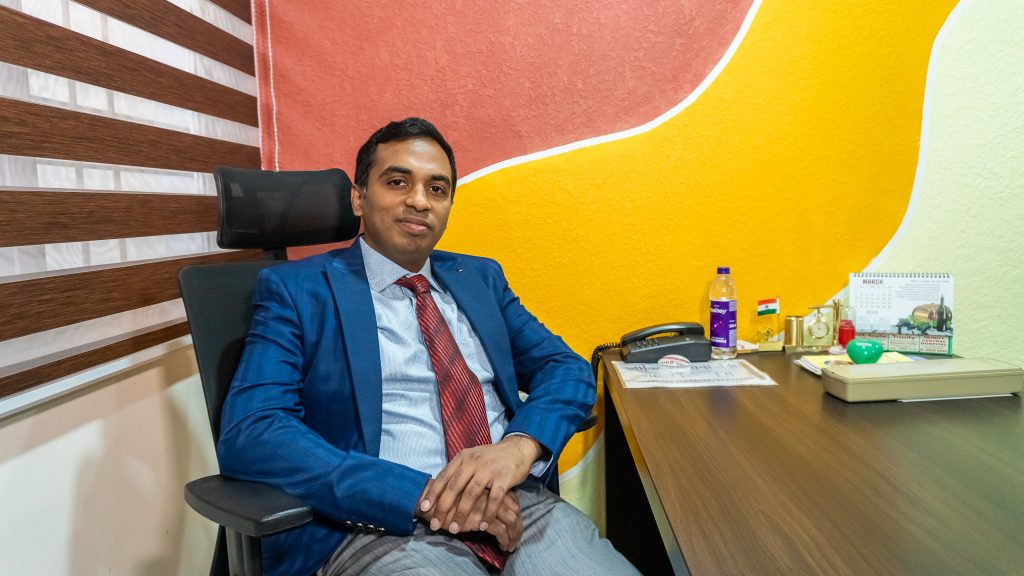
Hello, I’m Dr. Sravan,
I specialise in the intricate field of vascular and endovascular surgery. My journey in medicine has been shaped by rigorous training, a deep commitment to patient care, and a passion for advancing the field through research and innovation. Here’s a glimpse into my background, qualifications, and what drives me as a vascular surgeon.
My
Milestones
Years Experienced
0
+
Happy Patients
0
+
My Journey
My foundation in vascular and endovascular surgery was laid at the esteemed Jain Institute of Vascular Sciences in India, a pioneer in treating complex vascular diseases and a leader in the healing of wounds caused by peripheral vascular disease, including diabetic foot ulcers. This invaluable experience at one of India’s oldest and most respected vascular departments was only the beginning.
I further honed my skills and expertise through a fellowship at the National University Hospital, Singapore, where I focused on dialysis access maintenance and aortic disorders, including aneurysms and dissections. Training at these high-volume centers of excellence has profoundly shaped my approach to patient care and my technical proficiency in vascular surgery.
My Qualifications
-
MBBS -
MS in General Surgery -
MRCS from the Royal College of Edinburgh, UK -
DNB in Peripheral Vascular Surgery -
FEVS (Fellowship in Vascular and Endovascular Surgery) from National University Hospital, Singapore
- Current Roles
- Learning & Sharing
- Key Publications and Presentations
- Text-Book Contribution
- My Approach to Patient Care
- Assistant Professor of Vascular Surgery at Sri Jayadeva Institute of Cardiovascular Sciences and Research
- Education and innovation are at the heart of what I do. I believe in the power of research and continuous learning to improve patient outcomes. My commitment to advancing our understanding of vascular and endovascular medicine is reflected in my active involvement in research, with numerous publications in esteemed journals and participation in international and national conferences.
- I have authored and co-authored several significant publications, including case reports and reviews on endovascular management of complex conditions, deep vein thrombosis, and innovative treatments for diabetic foot ulcers.
- My presentations at esteemed forums like the European Society for Vascular Surgery and the Vascular Society of India have focused on cutting-edge treatments and techniques in vascular surgery.
I’m also a co-author of a chapter on diabetic foot ulcers in the book “Leg Ulcers and Management,” reflecting my commitment to educating the next generation of medical professionals and improving patient care through shared knowledge.
My philosophy revolves around holistic, patient-centered care. I believe in treating not just the condition but the person as a whole, understanding their concerns, and offering compassionate and comprehensive treatment options tailored to their needs.
What Sets Me Apart?
The hospital plays a statewide services includes the Acquired
Expertise
With training from some of the world’s leading institutions and continuous involvement in research, I bring a depth of knowledge and skill to manage complex vascular conditions.
Innovative Treatments
I am committed to using the latest technologies and techniques to achieve the best outcomes for my patients.
Compassionate Care
I understand the challenges my patients face and strive to provide support, clear communication, and a pathway to recovery that respects their individual needs and circumstances.
My Guiding Principles
Dedicated to compassionate, precise care and pioneering innovative treatments in vascular health.

Vision
Providing compassionate and precise care for vascular health outcomes.

Mission
Striving for excellence in advanced and personalized vascular treatments.

Values
Emphasizing patient-centricity, innovation, and adherence to ethical standards.

Expertise
Specializing in comprehensive and complex vascular interventions.
Awards & Acheivements





Reach us
Schedule Your Visit
Our team is ready to provide the comprehensive care and support you need. Schedule your visit to our Vascular Lab today, and take the first step towards understanding and managing your vascular health with confidence.

Client Testimonials
Dr. Sravan was very kind and patient. He explained everything clearly and my surgery went very well. I am feeling much better now. Highly recommend him!
John Doe
I am truly grateful to Dr. Sravan for his help. His approach was very reassuring and my recovery was smoother than I expected. Best doctor for vascular issues.
John Doe
After visiting several doctors, it was Dr. Sravan who diagnosed my problem accurately. His treatment has made a huge difference. He is very understanding and supportive.
John Doe
Previous
Next
FAQ’s
Frequently Asked Questions
What Does a Vascular Surgeon Treat?
A vascular surgeon treats diseases of the arteries and veins throughout most of the body.
These blood vessels have different jobs.
Arteries carry oxygen-rich blood from the heart towards the organs and limbs.
Veins return blood back towards the heart.
Problems can develop when an artery becomes narrowed or blocked, when a vein develops abnormal reflux, when a blood clot forms, when an artery becomes enlarged as an aneurysm or when reliable vascular access is required for treatments such as dialysis.
Some vascular conditions are chronic and progress slowly.
Others need urgent evaluation.
Understanding which situation we are dealing with is the first step.
Conditions I Commonly Evaluate and Treat
Varicose Veins and Chronic Venous Disease
Varicose veins are enlarged superficial veins that commonly occur in the legs.
Patients may come because of visible veins, aching, heaviness, swelling, itching, pigmentation or venous ulcers.
Treatment planning often begins with a venous Doppler because we need to understand where abnormal reflux is occurring rather than treating only the veins visible on the skin.
Depending on the venous anatomy and symptoms, treatment may include conservative care or minimally invasive vein procedures where appropriate.
You can read more about varicose veins and venous disorders.
Deep Vein Thrombosis
Deep vein thrombosis, or DVT, is a blood clot within the deep veins, most commonly in the leg.
A patient may develop sudden one-sided leg swelling, pain or heaviness.
Most DVTs are treated primarily with anticoagulation. Selected patients with extensive thrombosis may require further vascular evaluation to determine whether catheter-based treatment has a role.
Sudden breathlessness or chest pain in someone with possible DVT requires urgent emergency assessment because of the risk of pulmonary embolism.
Read more about DVT and deep vein treatment.
Peripheral Arterial Disease
Peripheral arterial disease, or PAD, develops when arteries carrying blood into the legs become narrowed or blocked.
A typical symptom is calf pain that appears while walking and improves after resting.
More advanced arterial disease may cause rest pain, coldness of the foot, wounds that do not heal or tissue loss.
Not every patient with PAD needs angioplasty.
Treatment may include medicines, walking therapy, risk-factor management, endovascular intervention or bypass surgery depending on the severity of disease and the patient’s symptoms.
Read more about peripheral arterial disease treatment.
Diabetic Foot and Non-Healing Wounds
When a diabetic foot wound is not healing, I do not look only at the dressing.
I want to know:
Is there infection?
Is there adequate blood reaching the foot?
Is neuropathy preventing the patient from feeling repeated injury?
Is pressure on the wound preventing healing?
When poor arterial circulation is contributing to the wound, vascular assessment becomes an important part of diabetic foot treatment.
Read more about diabetic foot care and circulation assessment.
Dialysis Access and AV Fistula
Patients undergoing haemodialysis need reliable vascular access.
This may involve planning and creating an AV fistula, assessing maturation or dealing with an existing fistula that has become difficult to use.
Access problems can include narrowing, thrombosis, difficult cannulation, poor dialysis flow or arm swelling.
My work includes both dialysis-access surgery and endovascular maintenance where clinically appropriate.
Read more about dialysis access and AV fistula surgery.
Aortic Disease
The aorta is the body’s main artery.
Conditions such as aortic aneurysm and aortic dissection require careful vascular assessment because the treatment depends on the location, size, anatomy, symptoms and overall condition of the patient.
Some patients require surveillance.
Others may need open or endovascular treatment.
Sudden severe chest, back or abdominal pain associated with a suspected aortic emergency needs immediate hospital assessment rather than a routine consultation.
Central Venous Access
Some patients need reliable venous access for prolonged antibiotics, chemotherapy, intravenous nutrition or other repeated treatment.
This may involve a PICC line, implanted port or another central venous access device.
The right access should be chosen according to treatment duration, vein anatomy, how frequently the device will be used and the patient’s future vascular needs.
Read more about central venous access devices.
Endovascular Treatment: What Does It Mean?
Patients sometimes hear the words “vascular” and “endovascular” and wonder what the difference is.
Vascular surgery is the broader speciality.
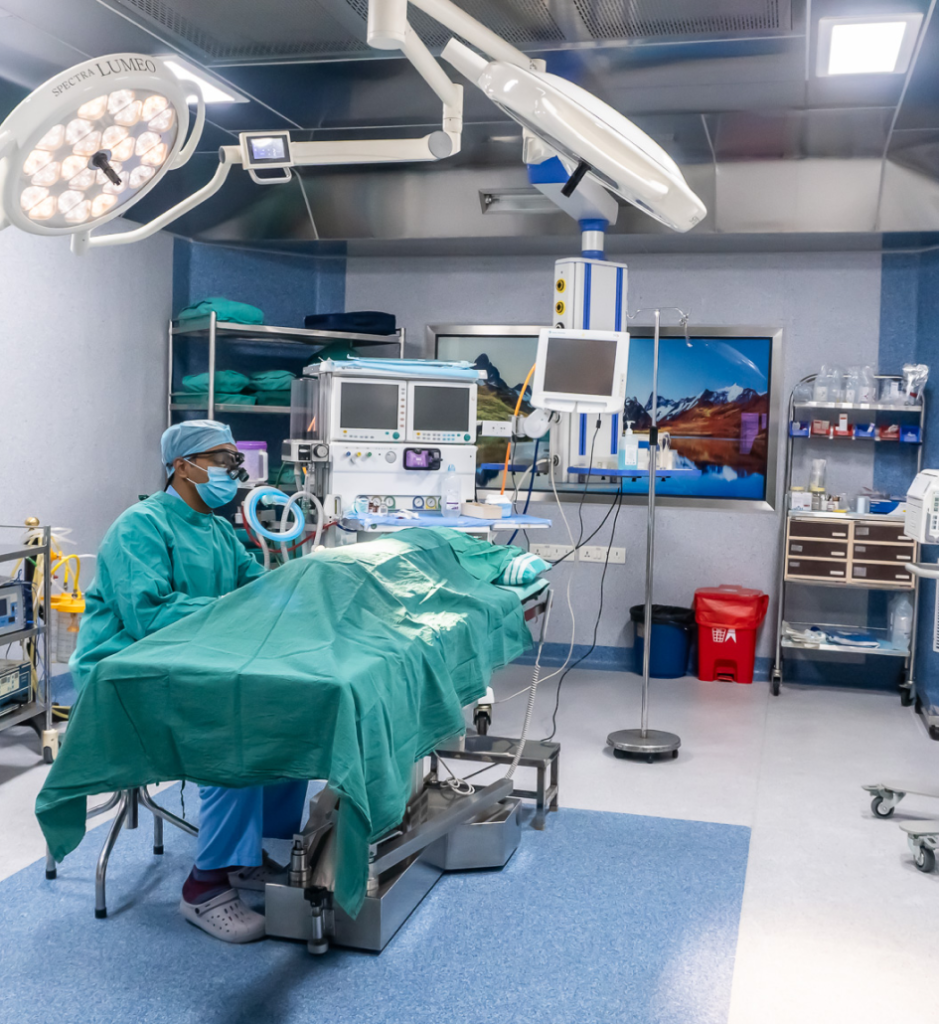
Endovascular treatment refers to procedures performed from inside the blood vessel, usually using wires and catheters introduced through a small vascular access.
Examples can include:
- angioplasty
- stenting
- selected thrombectomy procedures
- endovascular aneurysm treatment
- embolization procedures
These techniques have changed vascular treatment considerably because some conditions that previously required larger operations can now be treated through catheter-based approaches.
But minimally invasive does not automatically mean better for every patient.
There are situations where surgery is more suitable.
There are situations where endovascular treatment is preferable.
And there are many patients who do not require a procedure at all.
That is why I prefer to make the treatment decision after understanding both the disease and the patient.
Why Diagnosis Comes Before the Procedure
One mistake I see is patients arriving with a scan result and already feeling that a particular procedure has been decided.
For example:
“My Doppler says there is a blockage. Do I need angioplasty?”
“My scan says reflux. Do I need laser?”
“My fistula has stenosis. Does it need a balloon?”
“My DVT looks large. Does the clot have to be removed?”
A scan provides important information, but the report alone does not decide treatment.
I want to know:
Does the finding explain the symptoms?
How severe is the problem clinically?
What happens if we do not intervene?
What are the treatment alternatives?
What benefit are we trying to achieve?
The procedure should follow the diagnosis and treatment goal.
Not the other way around.
Vascular Doppler and Circulation Assessment
Doppler ultrasound is an important part of vascular practice because it allows us to assess blood flow through arteries and veins without an incision.
Depending on the clinical problem, vascular ultrasound can help evaluate:
- arterial narrowing
- DVT
- venous reflux
- varicose veins
- circulation to a diabetic foot
- dialysis-access flow
- selected vascular follow-up
The type of Doppler needs to match the clinical question.
A DVT study is not the same as a varicose-vein reflux study, and an arterial Doppler answers a different question again.
The broader diagnostic services are available through the Vascular Lab.
My Approach to Patient Care
The part of vascular treatment that matters most to me happens before the procedure.
A patient should understand:
- what condition they have
- what the tests have shown
- how serious the problem is
- which treatment options are reasonable
- why one option is being recommended
- what the limitations and risks are
- what happens if treatment is delayed
- what follow-up may be required
I prefer conversations in plain language.
If a patient leaves the consultation knowing only that they have a “70% stenosis” but does not understand what it means for their leg or treatment, then the consultation has not done its job properly.
My aim is to give enough clarity for the patient and family to participate in the decision.
Surgery or Minimally Invasive Treatment?
Patients often ask:
“Doctor, can this be done without surgery?”
Sometimes, yes.
Endovascular treatment can be very useful in vascular disease.
But the correct question is not simply whether a minimally invasive treatment is available.
The question is:
Which approach gives this patient the most appropriate treatment for this particular problem?
For example, an arterial blockage may be suitable for angioplasty in one patient and bypass in another.
A varicose-vein problem may suit an endovenous technique.
A dialysis fistula narrowing may be treated with angioplasty, while another access problem may require surgical revision.
Good vascular care is not about choosing one technique for every patient.
It is about having more than one option and knowing when to use each one.
Second Opinions for Vascular Conditions
A second opinion can be useful when:
- a major vascular procedure has been recommended
- you have been given different treatment options
- a wound is not healing despite treatment
- symptoms continue after a previous vascular procedure
- a dialysis fistula repeatedly fails
- you have been advised angioplasty or bypass and want to understand why
- you are uncertain whether an intervention is necessary
A second opinion does not automatically mean that the original recommendation was incorrect.
Sometimes it simply gives the patient a clearer understanding of the disease and confidence in the treatment plan.
If I agree with the previous recommendation, I will say so.
If there is another reasonable option, I will explain that as well.
Recognition and Professional Context
The website records that Outlook Magazine has recognised Dr Sravan among the best vascular surgeons in South India.
I regard recognition such as this as professional context rather than the reason a patient should choose treatment.
For me, the more important factors remain appropriate vascular training, careful assessment, clear communication and selecting treatment according to the patient’s condition.
Medicine should not become a competition of superlatives.
Vascular Care in Basavanagudi, Bangalore
My vascular practice is based in Basavanagudi, Bangalore, near Teachers College Circle.
Patients come for evaluation of artery, vein, diabetic foot, dialysis-access and other vascular conditions from Basavanagudi and surrounding areas of South Bangalore.
My hospital association includes Trinity Hospital and Heart Foundation, where relevant vascular care and procedures are undertaken according to the patient’s clinical requirements.
For patients specifically searching by location, the Vascular Surgeon in Basavanagudi page provides more local access and treatment information.
When Should You See a Vascular Surgeon?
You may need vascular evaluation if you have:
- visible varicose veins with pain, swelling or skin changes
- unexplained persistent leg swelling
- suspected or confirmed DVT
- calf pain that repeatedly starts while walking
- a cold foot or weak pulses
- a diabetic foot wound that is not healing
- gangrene or toe discolouration
- an AV fistula that has become difficult to use
- a known aneurysm
- an abnormal arterial or venous Doppler result
- a recommendation for angioplasty, bypass or another vascular procedure that you want to understand better
Some vascular symptoms need more urgent attention.
Sudden severe limb pain with a cold, pale, numb or weak limb needs emergency evaluation.
Sudden breathlessness or chest pain in a person with possible DVT also requires urgent assessment.
A rapidly worsening infected diabetic foot wound, significant gangrene or sudden severe symptoms suggestive of an aortic emergency should not wait for a routine OPD appointment.
What I Want Patients to Know Before They Consult Me
You do not need to know the medical terminology before coming for a vascular consultation.
Bring your symptoms, previous reports, scans and medication list if you have them.
From there, we can work through the problem step by step.
My job is to answer three questions as clearly as possible:
What is the vascular problem?
Does it need treatment now?
If it does, what is the most appropriate treatment for you?
Sometimes the answer will involve a procedure.
Sometimes it will involve medicines, surveillance or lifestyle changes.
Sometimes the most useful thing I can tell a patient is that an operation is not required at this stage.
That is how I prefer to practise vascular surgery.
Frequently Asked Questions About Dr Sravan C.P.S
What does Dr Sravan C.P.S specialise in?
Dr Sravan C.P.S specialises in vascular and endovascular surgery. His clinical work includes arterial disease, venous disorders, peripheral arterial disease, DVT, varicose veins, diabetic foot circulation, dialysis access, aortic disease, central venous access and selected endovascular and embolization procedures.
What are Dr Sravan’s qualifications?
Dr Sravan’s qualifications include MBBS, MS in General Surgery, MRCS from the Royal College of Edinburgh in the UK, DNB in Peripheral Vascular Surgery and FEVS from National University Hospital, Singapore. He is also an Assistant Professor of Vascular Surgery at Sri Jayadeva Institute of Cardiovascular Sciences and Research.
Where does Dr Sravan practise in Bangalore?
Dr Sravan’s primary location context is Basavanagudi in South Bangalore, near Teachers College Circle. His hospital association includes Trinity Hospital and Heart Foundation.
Does every patient who sees a vascular surgeon need surgery?
No. Many vascular conditions can initially be managed with medicines, monitoring, exercise, compression or other non-operative treatment depending on the diagnosis. Surgery or endovascular intervention is recommended only when it is clinically appropriate.
Does Dr Sravan perform minimally invasive vascular procedures?
Dr Sravan’s practice includes endovascular procedures where appropriate, alongside conventional vascular surgery. Whether an endovascular or surgical approach is suitable depends on the patient’s vascular anatomy, condition and treatment goal.
Can I consult Dr Sravan for a second opinion?
A vascular second opinion can be useful when a major procedure has been recommended, symptoms continue despite treatment or there are several possible treatment options. The aim is to understand the diagnosis and compare reasonable treatment choices.
Which symptoms need urgent vascular evaluation?
A suddenly cold, pale, painful or numb limb, significant gangrene, a rapidly worsening diabetic foot infection, or sudden chest pain and breathlessness in a person with possible DVT require urgent medical assessment rather than waiting for a routine consultation.
Consult Dr Sravan C.P.S in Bangalore
If you have been diagnosed with an artery or vein problem, have symptoms that may be related to circulation, or want to understand a vascular procedure that has been recommended, you can consult Dr Sravan C.P.S in Bangalore.
The consultation is centred on understanding the problem first.
What has happened to the circulation?
How much does it matter clinically?
What options do we have?
From there, a treatment plan can be discussed based on your symptoms, examination, investigations and overall health.

