Varicose Veins Treatment near Koramangala | Dr Sravan
Your path to better vascular health is guided by our commitment to excellence and compassionate care.
Our Expertise
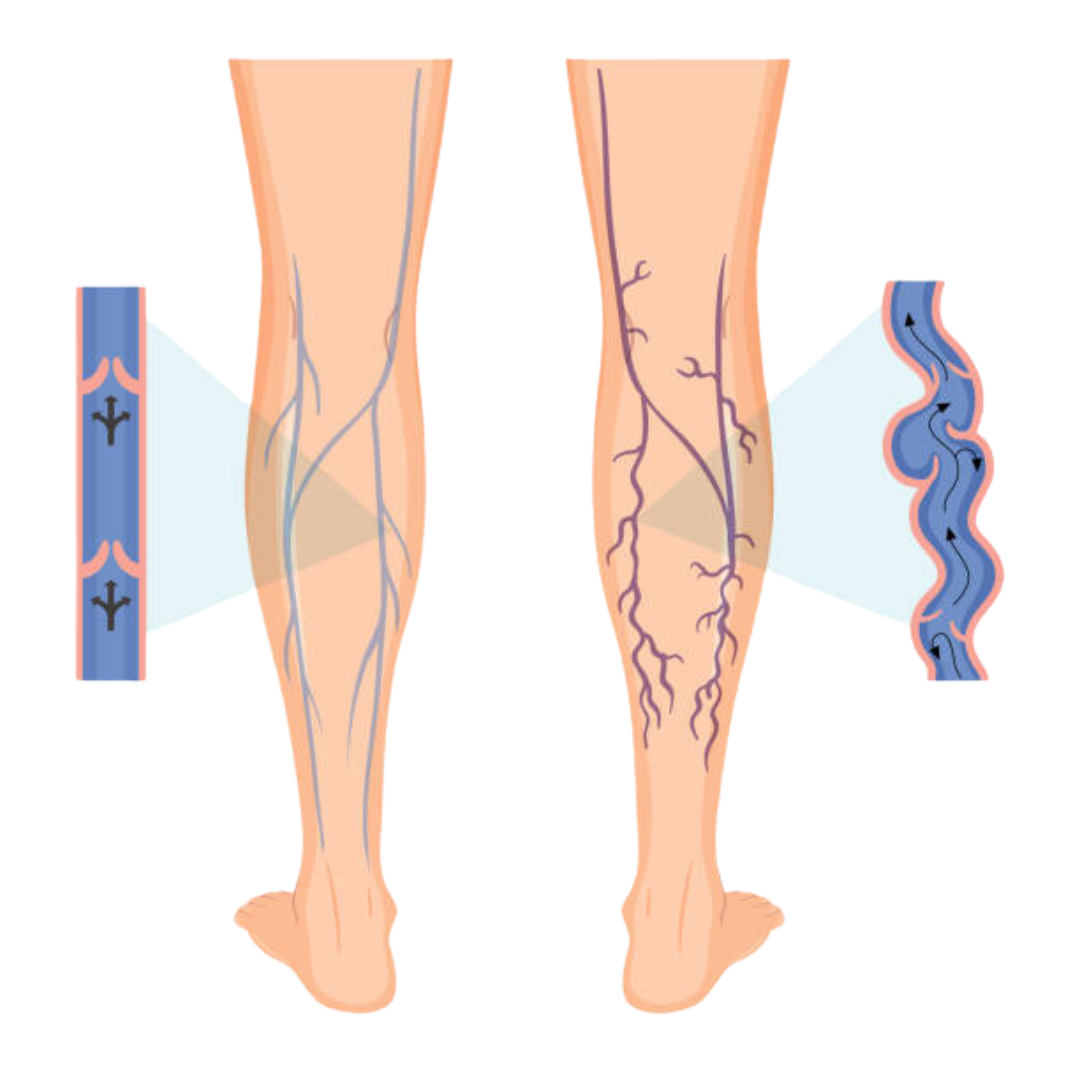
Varicose Veins & Venous Disorders
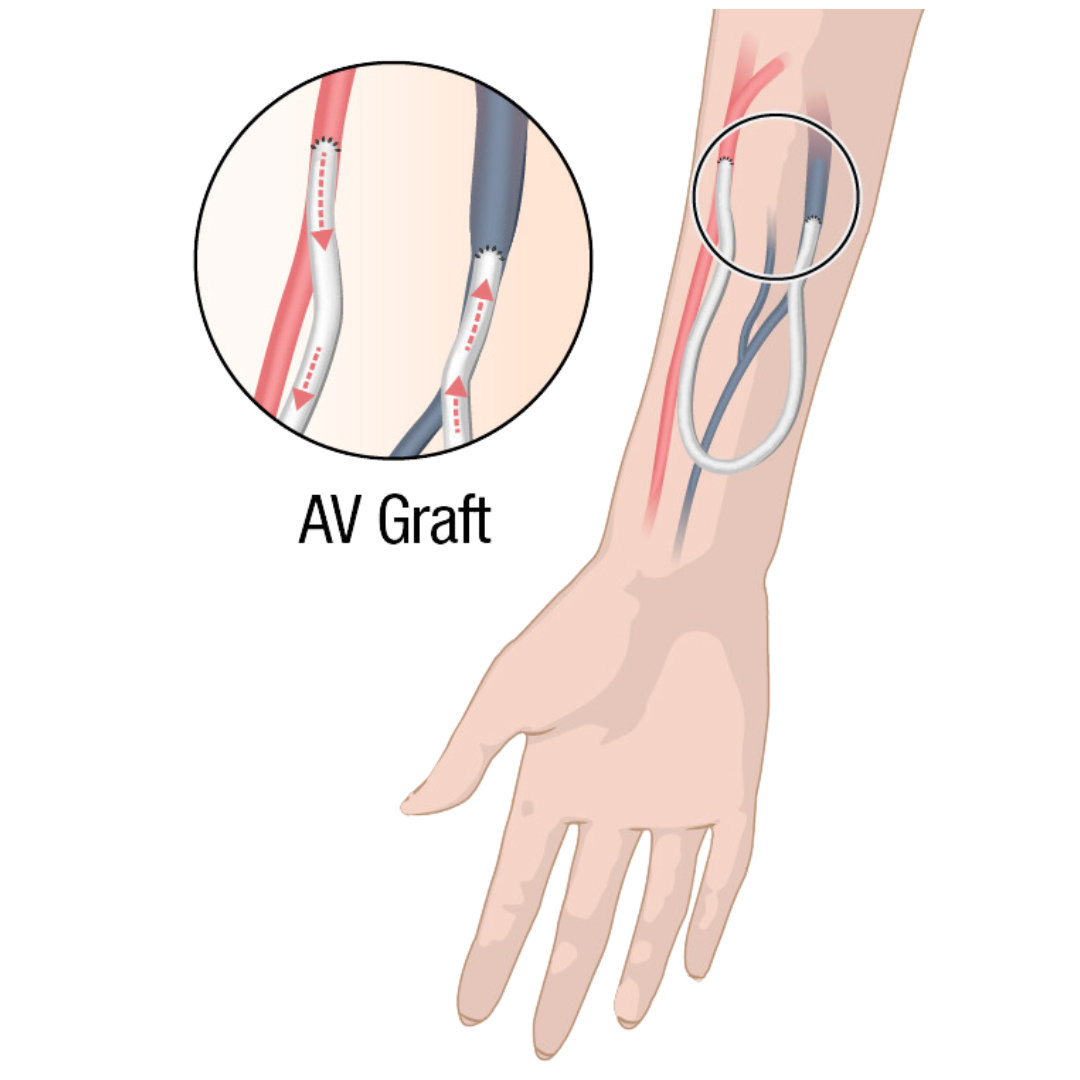
Dialysis Access Surgery
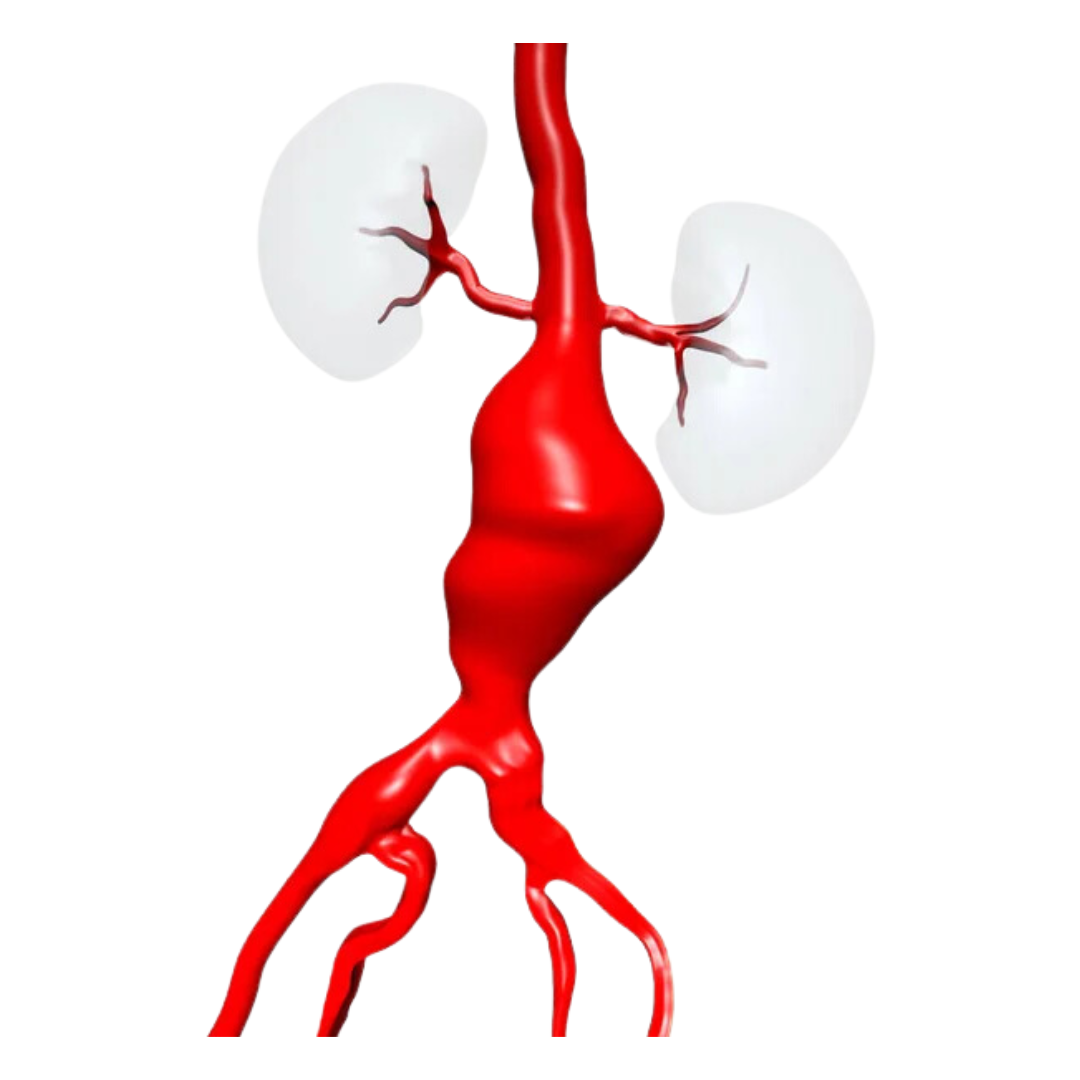
Abdominal Aortic Aneurysm
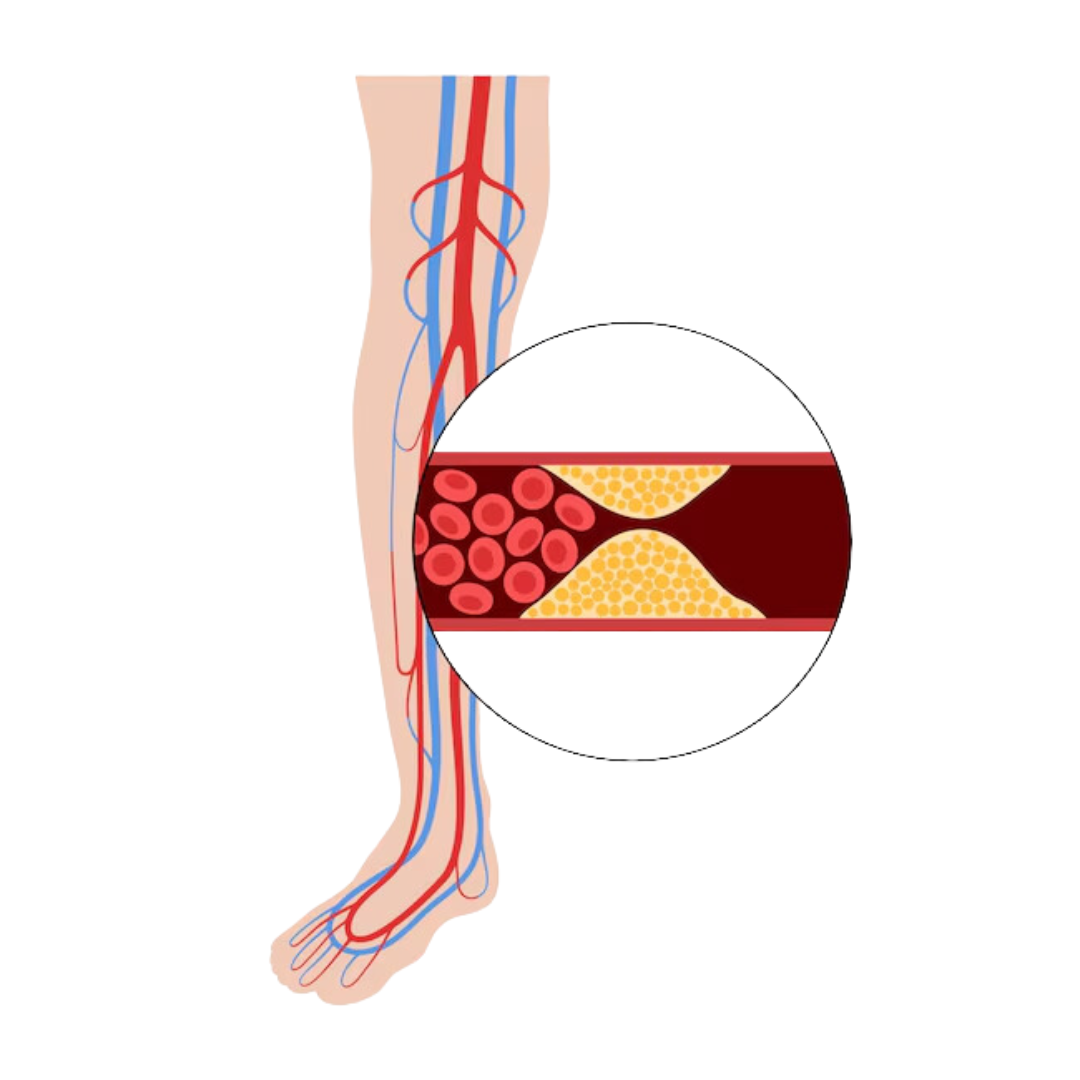
Peripheral Arterial Disease
-
Teachers College Circle, near RV, Basavanagudi, Bengaluru, Karnataka 560004
-
drsravanvascular@gmail.com
-
+91 99945 43335
-
+91 93533 84953
Book an Appointment
About Dr. Sravan
My approach to patient care is guided by a simple yet profound philosophy: I view each patient through the lens of family, offering the same level of respect, care, and dignity I would want for my own loved ones. My goal is not just to diagnose but to enlighten you about your condition, walking you through the available treatment options to ensure a safe and effective journey to health.
Embracing the latest in minimally invasive techniques alongside traditional surgery, I’m committed to delivering solutions that are not only safe and of the highest quality but also tailored to meet your individual needs and anticipate your future health requirements.
0
+
Years Experienced
0
+
Happy Patients
Patient Testimonials
https://youtu.be/3HnhWhn9Nskhttps://youtu.be/dPofU8_aJWghttps://youtu.be/SzoV6Y9TJzY
Follow Me on Instagram

FAQ’s
Frequently Asked Questions
Can varicose veins heal without surgery?
Mild symptoms may improve with lifestyle care and stockings. But if Doppler shows significant reflux, procedures such as laser, RFA, sclerotherapy, or surgery may be needed.
What is stage 4 varicose veins?
Stage 4 usually means skin changes have started, such as pigmentation, eczema, dryness, thickening, or swelling near the ankle. It should be evaluated before ulcers develop.
What is the best remedy for varicose veins?
The best remedy depends on the stage. Early symptoms may improve with walking, calf exercises, leg elevation, and compression stockings. If Doppler shows reflux, laser, RFA, sclerotherapy, or surgery may be needed.
Varicose Veins Treatment near Koramangala: Dr Sravan CPS Explains What Patients Should Know
If you are looking for varicose veins treatment near Koramangala, the first step is to understand whether your visible veins are only cosmetic or part of a deeper circulation problem.
Varicose veins happen when the valves inside the leg veins become weak. Blood starts flowing backward and collects inside the vein. This can cause bulging veins, leg heaviness, swelling, pain, itching, skin darkening, and sometimes non-healing wounds.
I do not advise patients to start treatment only because veins are visible. A proper vascular examination and Doppler scan help us understand the exact vein problem before deciding whether lifestyle care, stockings, sclerotherapy, laser treatment, radiofrequency ablation, or surgery is needed.
Quick Answer
The right treatment for varicose veins depends on the Doppler scan.
If the condition is mild, walking, calf exercises, leg elevation, and compression stockings may help control symptoms. If Doppler shows significant venous reflux, then treatment options like endovenous laser treatment, radiofrequency ablation, sclerotherapy, phlebectomy, or surgery may be advised.
For patients from Koramangala, HSR Layout, Ejipura, Adugodi, BTM Layout, Madiwala, and nearby South East Bangalore areas, timely evaluation helps prevent the condition from progressing into skin changes, ulcers, or recurrent swelling.
What Are Varicose Veins?
Varicose veins are enlarged, twisted veins usually seen in the legs. They may look blue, green, or rope-like under the skin.
In a healthy leg vein, blood moves upward toward the heart. Small valves inside the vein prevent backward flow. When these valves become weak, blood pools in the lower part of the leg. Over time, the vein expands and becomes visible.
Some patients notice only cosmetic changes. Others feel pain, heaviness, cramps, or swelling. A few patients come very late with blackening of skin or venous ulcers near the ankle.
That is why I tell patients not to wait until the disease becomes advanced.
Common Symptoms of Varicose Veins
Varicose veins may start quietly. Many patients ignore the early signs because the symptoms improve after rest.
Watch for these symptoms:
- Visible bulging veins: Rope-like veins on the calf, thigh, or behind the knee.
- Leg heaviness: Usually worse after standing or sitting for long hours.
- Ankle swelling: More noticeable by evening.
- Night cramps: Pulling or cramping sensation in the calf.
- Burning or itching: Especially around visible veins or near the ankle.
- Skin darkening: Brown or black pigmentation around the lower leg.
- Dry or thickened skin: Often a sign of chronic venous pressure.
- Non-healing wound: Usually near the ankle in advanced cases.
- Bleeding from a vein: Needs urgent medical attention.
- Sudden painful swelling: Must be checked to rule out DVT or clot-related problems.
If you have swelling, skin changes, pain, or repeated heaviness, do not depend only on home remedies. Get a vascular evaluation.
Why Varicose Veins Are Common Around Koramangala
Koramangala has many working professionals, business owners, hospitality workers, retail staff, fitness trainers, healthcare workers, and people who spend long hours either sitting or standing.
Both patterns can worsen leg vein symptoms.
Long sitting can reduce calf muscle pumping. Long standing can increase venous pressure in the legs. If your vein valves are already weak, symptoms can slowly increase.
I commonly see patients with varicose veins who have:
- IT or desk jobs
- Standing jobs in restaurants, salons, retail, teaching, or healthcare
- Long commute hours
- Reduced walking during the day
- Weight gain
- Previous pregnancy-related vein changes
- Family history of varicose veins
- Diabetes or circulation-related concerns
The location is not the cause. The lifestyle pattern around busy urban areas often makes symptoms more noticeable.
What Are the Two Main Causes of Varicose Veins?
The two main causes are weak vein valves and increased pressure inside the leg veins.
1. Weak vein valves
When valves inside the leg veins do not close properly, blood flows backward. This is called reflux. Reflux is one of the most important reasons for varicose veins.
2. Increased venous pressure
Long standing, obesity, pregnancy, lack of movement, and previous clot-related damage can increase pressure inside leg veins. Over time, this pressure makes the veins enlarge.
Other contributing factors include family history, age, hormonal changes, poor calf muscle activity, and previous deep vein thrombosis.
How I Evaluate Varicose Veins
I do not decide treatment only by seeing the surface veins. The visible vein is often only the result. The source of the problem may be higher up in the leg.
A proper evaluation usually includes:
- History: Symptoms, occupation, pregnancy history, family history, previous clots, diabetes, and previous treatment.
- Clinical examination: Visible veins, swelling, skin condition, ulcer risk, and pulses.
- Venous Doppler scan: To check reflux, vein size, valve function, and deep vein status.
- Arterial assessment if needed: Especially in diabetic patients or patients with poor pulses.
- Treatment planning: Based on disease stage, Doppler findings, and patient suitability.
Doppler is important because treatment should target the faulty vein source. If we treat only visible veins and miss the reflux source, symptoms may return.
Best Remedy for Varicose Veins: What Actually Works?
The best remedy is not one oil, one tablet, or one home solution. The best remedy depends on the stage of the disease.
For early symptoms, these steps may help:
- Walk daily
- Do calf raises
- Avoid standing continuously
- Take movement breaks during desk work
- Elevate legs while resting
- Use compression stockings if prescribed
- Maintain healthy weight
- Avoid constipation
- Stay hydrated
However, if there is significant venous reflux, these steps can reduce discomfort but may not correct the faulty vein. In such cases, laser treatment, radiofrequency ablation, sclerotherapy, or surgery may be needed.
Home care can support the leg. It cannot close a faulty refluxing vein.
Can I Remove Varicose Veins Myself?
No. You cannot safely remove varicose veins yourself.
Varicose veins are not just surface marks. They are connected to the venous circulation system. Trying strong massage, tight banding, herbal burns, or unverified home procedures can cause bleeding, skin injury, infection, or delayed treatment.
You can support symptoms at home with walking, leg elevation, and prescribed stockings. But removal or closure of faulty veins needs medical evaluation and planned treatment.
Can Varicose Veins Be Cured Without Surgery?
Some early symptoms can be controlled without surgery. Compression stockings, walking, calf exercises, and lifestyle correction may reduce heaviness and swelling in selected patients.
But if Doppler shows significant reflux, the faulty vein may need a procedure.
Non-surgical or minimally invasive options may include:
- Sclerotherapy
- Endovenous laser treatment
- Radiofrequency ablation
- Foam-based treatment in selected cases
These are not the same as traditional open surgery. Many patients today can be treated through minimally invasive approaches, depending on vein anatomy and disease stage.
Treatment Options for Varicose Veins near Koramangala
The treatment plan should be based on symptoms, Doppler findings, and the stage of disease.
1. Lifestyle Care and Compression Stockings
This may help in early-stage disease or for patients who are not immediately suitable for a procedure.
It includes:
- Walking
- Calf exercises
- Leg elevation
- Avoiding long standing
- Taking breaks during sitting work
- Medical-grade compression stockings
Compression stockings can reduce swelling and heaviness. But they do not remove varicose veins or repair faulty valves.
2. Sclerotherapy
Sclerotherapy is used for spider veins, small veins, and selected branch veins.
A medicine is injected into the vein to close it. It may be advised when the vein pattern is suitable. Some patients may need more than one session.
Sclerotherapy is not enough if the main refluxing vein is large or if Doppler shows significant valve failure.
3. Endovenous Laser Treatment
Endovenous laser treatment is a minimally invasive procedure for suitable refluxing veins.
A laser fibre is inserted into the faulty vein under guidance. Laser energy closes the vein from inside. Blood then moves through healthier veins.
It may be suitable when:
- Doppler confirms reflux
- The vein size is appropriate
- Symptoms are affecting daily life
- Swelling or heaviness is recurring
- Skin changes are starting
- Conservative care is not enough
The advantage is that it avoids large cuts and usually allows faster recovery than traditional open surgery.
4. Radiofrequency Ablation
Radiofrequency ablation is another minimally invasive method used to close faulty veins. It works with heat energy, but the energy source differs from laser.
The choice between laser and radiofrequency depends on vein anatomy, vein diameter, reflux pattern, patient comfort, and clinical suitability.
The treatment should be chosen for the patient, not just because a technology sounds advanced.
5. Phlebectomy
Phlebectomy is used for large visible branch veins. Small cuts are used to remove the bulging veins.
It may be combined with laser or radiofrequency treatment if the main source vein also needs closure.
6. Open Surgery
Open surgery is used less often today but still has a role in selected cases.
It may be needed when:
- The vein pattern is complex
- The anatomy is not suitable for laser or RFA
- There is recurrence after previous treatment
- Large tortuous veins need surgical handling
Treatment Comparison
| Treatment Option | Best For | Main Benefit | Limitation |
|---|---|---|---|
| Lifestyle care | Mild symptoms | Helps early heaviness and swelling | Does not remove faulty veins |
| Compression stockings | Early disease or support care | Reduces venous pressure | Needs regular use |
| Sclerotherapy | Spider veins and small veins | Useful for small visible veins | Not enough for major reflux |
| Laser treatment | Larger refluxing superficial veins | Minimally invasive, faster recovery | Needs Doppler suitability |
| Radiofrequency ablation | Suitable refluxing veins | Minimally invasive closure | Not suitable for every vein |
| Phlebectomy | Bulging surface veins | Removes visible bulky veins | May need combination treatment |
| Open surgery | Complex or recurrent cases | Useful when minimally invasive methods are unsuitable | Longer recovery |
What Food Should You Avoid for Varicose Veins?
Food cannot cure varicose veins, but poor diet can worsen swelling, constipation, and weight gain. These factors can increase pressure on leg veins.
Try to reduce:
- Very salty foods
- Deep-fried foods
- Excess processed foods
- Sugary drinks
- Excess refined carbohydrates
- Low-fibre diet
- Frequent junk food
- Excess alcohol
Constipation also increases pressure in the abdomen and legs. A high-fibre diet, water, vegetables, fruits, and regular movement can support vein health.
Which Fruit Is Best for Varicose Veins?
No fruit can cure varicose veins. But fruits rich in fibre and antioxidants can support general vascular health.
Good options include:
- Oranges
- Guava
- Berries
- Papaya
- Apple
- Pomegranate
- Banana in moderation
- Kiwi
The goal is not to treat veins with fruit. The goal is to reduce constipation, support weight control, and improve overall health.
Is Walking Good for Varicose Veins?
Yes. Walking is one of the best daily habits for varicose vein patients.
Walking activates the calf muscles. The calf muscles work like a pump and help push blood upward from the legs.
Walking may help reduce:
- Heaviness
- Mild swelling
- Stiffness
- Cramps
- Poor circulation feeling
However, walking will not remove bulging veins if reflux is already significant. If symptoms continue despite walking, get a Doppler evaluation.
What Is the Best Exercise for Varicose Veins?
Simple calf-based exercises are useful.
You can do:
- Walking
- Calf raises
- Ankle circles
- Heel-to-toe movements
- Leg elevation exercises
- Gentle cycling
- Swimming
Avoid heavy strain without medical advice if you have painful swelling, ulcers, bleeding veins, or suspected clots.
What Drink Is Good for Varicose Veins?
Water is the most important drink. Hydration supports circulation and reduces constipation risk.
Other helpful options can include:
- Plain water
- Lemon water without excess sugar
- Buttermilk
- Coconut water if medically suitable
- Fresh fruit-infused water
Avoid depending on “circulation drinks” or supplements without medical advice. If veins are bulging or swelling is persistent, the issue is structural and needs Doppler assessment.
Can Turmeric Remove Varicose Veins?
No. Turmeric cannot remove varicose veins.
Turmeric may have general anti-inflammatory properties in diet, but it cannot repair faulty vein valves, close refluxing veins, or remove bulging veins.
If symptoms are frequent, do not delay vascular evaluation while trying home remedies.
Can Massage Away Varicose Veins?
No. Massage cannot remove varicose veins.
Gentle massage may feel relaxing, but it does not correct reflux. Strong massage over painful veins, swollen legs, infected skin, ulcers, or suspected clots can be unsafe.
Avoid massage if you have:
- Sudden calf pain
- One-sided leg swelling
- Redness or warmth
- Skin ulcer
- Bleeding vein
- History of DVT
In such cases, consult a vascular surgeon first.
What Is Stage 4 Varicose Veins?
Stage 4 usually means skin changes have started.
Patients may notice:
- Brown or black pigmentation near the ankle
- Dry skin
- Itching
- Eczema-like changes
- Skin hardening
- Swelling
- Pain or heaviness
This is no longer just a cosmetic stage. It means venous pressure has started affecting the skin. If ignored, it can progress toward ulcers.
What Is Stage 7 of Varicose Veins?
Some patients use “stage 7” after reading online classifications. In routine vascular practice, doctors often use clinical grading systems such as CEAP to assess severity.
In simple terms, advanced venous disease may include:
- Long-term swelling
- Skin pigmentation
- Eczema
- Skin hardening
- Healed ulcer
- Active venous ulcer
If someone has an active wound near the ankle due to venous disease, that is an advanced stage and needs medical care. Do not manage it only with creams or dressings without treating the underlying venous pressure.
Are Varicose Veins Serious?
Varicose veins can be mild in some patients. But they can become serious if they progress.
Possible problems include:
- Chronic leg swelling
- Skin darkening
- Venous eczema
- Bleeding from surface veins
- Superficial vein inflammation
- Non-healing venous ulcers
- Recurrent pain and heaviness
- Reduced walking comfort
The key is early grading. A Doppler scan helps decide whether the disease is mild or medically significant.
Can Varicose Veins Go Away?
Small pregnancy-related veins may reduce after delivery in some women. Mild symptoms can improve with lifestyle changes.
But established varicose veins with valve reflux usually do not disappear permanently on their own.
If veins are bulging, painful, or associated with swelling, they need evaluation.
What Medication Is Used for Varicose Veins?
Medicines may be used to reduce symptoms like swelling, heaviness, or inflammation in selected patients. These are supportive. They do not cure valve reflux.
Medication may be combined with:
- Compression stockings
- Walking
- Weight control
- Leg elevation
- Procedure if Doppler shows significant reflux
Do not take medicines long-term without medical advice.
What Vitamins Open Up Leg Veins?
No vitamin can open blocked veins or cure varicose veins.
A balanced diet supports general vascular health. But if there is valve reflux, vein blockage, or circulation disease, vitamins alone cannot correct it.
If you have persistent swelling, pain, visible veins, skin changes, or a wound, medical evaluation is needed.
Can Varicose Veins Be Treated Permanently?
Existing faulty veins can be treated effectively. Symptoms can improve. Skin progression can be reduced. Ulcer risk can come down when treatment is done at the right time.
But new veins may develop later in some patients because of:
- Genetic tendency
- Long standing
- Pregnancy
- Weight gain
- Ageing
- Previous clot damage
- Poor calf muscle activity
The goal is proper treatment, symptom control, prevention of progression, and follow-up when needed.
Why Patients near Koramangala Consult Dr Sravan CPS
I evaluate varicose veins as part of complete vascular health. A patient may come with visible veins, but during evaluation we also check whether there is venous reflux, DVT risk, arterial circulation issue, diabetic foot risk, or chronic venous insufficiency.
My vascular and endovascular work includes:
- Varicose vein treatment
- Sclerotherapy
- Endovenous laser-based vein treatment planning
- Chronic venous insufficiency care
- Venous reflux evaluation
- DVT evaluation and care
- Peripheral arterial disease treatment
- Diabetic foot and limb salvage
- AV fistula and dialysis access surgery
- Angioplasty and stenting
- Aneurysm and aortic disease evaluation
- Varicocele embolization
- Genicular artery embolization
- Uterine fibroid embolization
- Prostate artery embolization
- Other minimally invasive vascular procedures
Dr. Sravan C.P.S has also been recognized by Outlook in its Best Doctors listing under vascular surgery. This recognition supports the trust many patients place in his vascular and endovascular expertise.
When Should You Consult Dr Sravan CPS?
You should consult a vascular specialist if you have:
- Visible bulging veins
- Leg heaviness
- Pain after standing
- Ankle swelling
- Night cramps
- Itching around veins
- Skin darkening
- Dry or thickened skin near the ankle
- Non-healing wound
- Bleeding from veins
- Recurrent varicose veins
- Varicose veins with diabetes
- Sudden swelling or calf pain
For patients from Koramangala, Ejipura, Adugodi, HSR Layout, BTM Layout, Madiwala, and nearby areas, early consultation helps identify whether simple care is enough or whether the vein needs active treatment.
