I first ask, “Did you have weakness on one side, speech difficulty, facial drooping, or sudden loss of vision in one eye?”
Because carotid artery disease is not just a scan report. It is a stroke-risk problem. Some patients need medicines and follow-up. Some need carotid artery surgery. Some may be better suited for carotid artery stenting. The treatment depends on symptoms, blockage severity, plaque behaviour, age, fitness, and overall vascular risk.
Quick Answer: Can Carotid Artery Treatment Prevent Stroke?
Yes, carotid artery treatment can reduce stroke risk in the right patient.
But treatment does not always mean surgery. Many patients are managed with medicines, cholesterol control, diabetes control, BP control, smoking cessation and regular follow-up. Some patients with significant narrowing, especially after a mini stroke or stroke warning symptom, may need carotid endarterectomy or carotid artery stenting.
The important questions are:
- Did the patient already have a TIA or stroke symptom?
- How severe is the narrowing?
- Is the plaque stable or risky?
- Is surgery or stenting safer for this patient?
- Can medicines alone reduce the risk enough?
A percentage alone does not answer these questions. The full clinical picture does.
First, What Are Carotid Arteries?
The carotid arteries are the main arteries in the neck that supply blood to the brain.
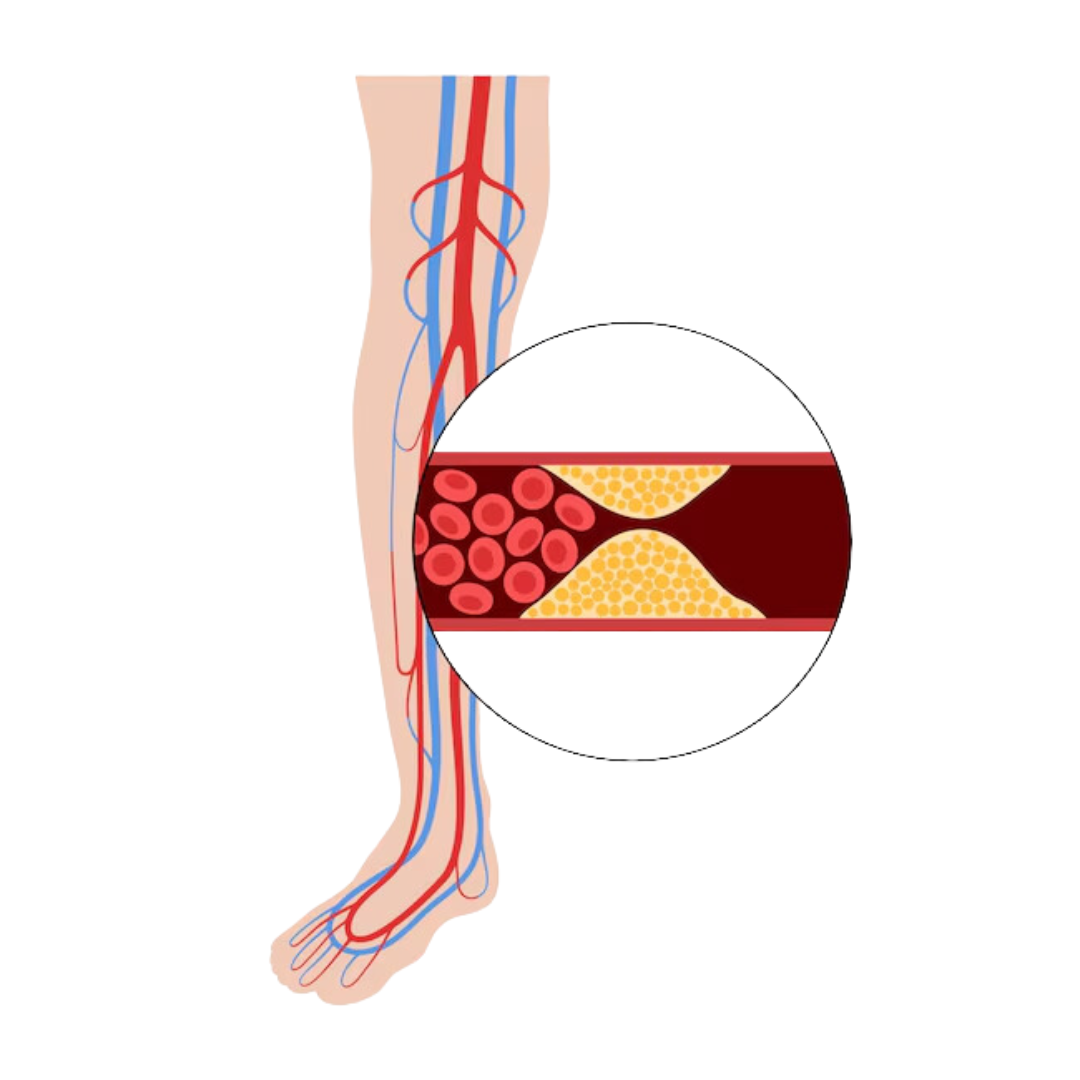
There is one carotid artery on each side of the neck. These arteries carry oxygen-rich blood upward from the heart to the brain. When plaque builds up inside them, the artery becomes narrow. This is called carotid artery stenosis.
Plaque usually builds up slowly over years.
Common risk factors include:
- High cholesterol: Fatty deposits collect inside the artery wall.
- High blood pressure: Constant pressure damages the artery lining.
- Diabetes: Increases artery damage and plaque progression.
- Smoking: Strongly increases vascular disease risk.
- Age: Arteries become stiffer and narrower with time.
- Family history: Stroke and artery disease may run in families.
- Heart disease: Patients with heart artery disease may also have carotid disease.
- Peripheral artery disease: Leg artery blockage can be linked with carotid narrowing.
When I see carotid artery disease, I also think about the rest of the vascular system. One blocked artery often means the patient may have artery disease elsewhere too.
How Carotid Blockage Can Cause Stroke
A stroke happens when blood supply to part of the brain is blocked or interrupted.
In carotid artery disease, stroke can happen mainly in two ways.
First, the carotid artery becomes very narrow and reduces blood supply to the brain.
Second, plaque or a clot can break from the narrowed artery and travel upward into smaller brain arteries. This can suddenly block blood flow to part of the brain.
That is why even a patient who feels normal may still need evaluation if a carotid scan shows significant narrowing.
The danger is not always pain. Many carotid patients have no neck pain at all.
Stroke Warning Signs You Should Not Ignore
Do not wait if you notice stroke-like symptoms.
Urgent warning signs include:
- sudden weakness of one side of the body
- facial drooping
- speech difficulty
- sudden confusion
- sudden loss of vision in one eye
- sudden numbness on one side
- sudden imbalance or difficulty walking
- sudden severe dizziness
- symptoms that come and go within minutes
If symptoms disappear after a few minutes, it may still be a TIA, often called a mini stroke.
A mini stroke is not a small issue. It is a warning that a major stroke may happen later if the cause is not found and treated.
What Is a TIA or Mini Stroke?
A TIA means transient ischemic attack.
In simple words, it is a temporary interruption of blood supply to part of the brain. Symptoms may last for a few minutes and then recover fully.
Many patients ignore it because they feel normal again.
This is risky.
If a patient tells me, “Doctor, my hand became weak for 10 minutes and then became normal,” I take it seriously.
If the cause is carotid artery narrowing, that patient may need urgent evaluation. Waiting for the next episode is not safe.
How Do We Diagnose Carotid Artery Blockage?
Diagnosis starts with listening carefully to the patient’s story.
I ask:
Did weakness happen?
Was speech affected?
Was vision affected?
Was it on one side?
How long did it last?
Did it happen more than once?
Then we check risk factors like diabetes, BP, cholesterol, smoking, heart disease and previous stroke.
Tests may include:
- Carotid Doppler ultrasound: This is usually the first test. It checks blood flow and estimates narrowing.
- CT angiogram: Gives a detailed map of the carotid artery and plaque.
- MR angiogram: Used in selected patients when suitable.
- Brain scan: Needed if stroke or TIA symptoms happened.
- Blood tests: Checks sugar, cholesterol, kidney function and clotting-related risks.
- Heart evaluation: Some strokes come from heart rhythm problems, not carotid disease.
A Doppler report is useful, but if treatment is being planned, CT angiogram or further imaging may be needed.
Can Carotid Artery Blockage Be Treated Without Surgery?
Yes, many patients can be treated without surgery.
If the narrowing is mild or moderate and there are no symptoms, treatment may focus on risk control.
This may include:
- antiplatelet medicines if suitable
- cholesterol-lowering medicines
- BP control
- diabetes control
- stopping smoking
- weight management
- regular walking or exercise where safe
- diet changes
- follow-up Doppler scans
- treating heart rhythm problems if present
But medicines usually do not remove plaque completely.
Their purpose is to reduce the chance of clot formation, stabilise plaque, slow progression and lower stroke risk.
If the narrowing is severe or the patient already had TIA or stroke symptoms, medicines alone may not be enough.
Can You Clear a Carotid Artery Naturally?
This is a common question.
Lifestyle changes are very important. But they usually cannot fully clear a severely narrowed carotid artery.
Diet, exercise and smoking cessation can help reduce future risk. They can improve cholesterol, BP, diabetes and vascular health. But turmeric, special drinks, supplements or home remedies should not replace medical evaluation when carotid narrowing is significant.
I have seen patients delay care because they were trying natural methods. By the time they come, they may already have had a TIA or stroke.
Lifestyle is part of treatment.
It is not a substitute for proper diagnosis.
What Is the Best Treatment for Carotid Artery Disease?
There is no single best treatment for every patient.
The best treatment is the one that reduces stroke risk with the lowest acceptable risk for that patient.
For one patient, medicines and follow-up are enough.
For another patient, carotid endarterectomy is better.
For another, carotid artery stenting may be safer.
The decision depends on:
- whether symptoms occurred
- percentage of narrowing
- age
- heart condition
- plaque pattern
- kidney function
- previous neck surgery or radiation
- surgical risk
- anatomy of the artery
- timing after TIA or stroke
- medicines already being taken
I do not advise surgery or stenting just because a report says “blockage.” I advise it when the benefit is clearly higher than the risk.
What Is Carotid Endarterectomy?
Carotid endarterectomy is a surgery where plaque is removed from inside the carotid artery.
A small incision is made in the neck. The artery is opened carefully, the plaque is removed, and the artery is closed again. The purpose is to reduce the chance of stroke from that plaque.
It may be advised when:
- narrowing is significant
- symptoms are linked to that carotid artery
- the patient is fit for surgery
- the anatomy is suitable
- surgical risk is acceptable
- the stroke-prevention benefit is strong
This is not a cosmetic or optional procedure. It is a stroke-prevention operation in the right patient.
Is Carotid Artery Surgery Serious?
Yes, carotid artery surgery is serious.
It is done on an artery that supplies the brain. That means planning has to be careful. BP control, anaesthesia, surgical technique and post-operative monitoring all matter.
But serious does not mean it should be avoided when clearly needed.
In the right patient, carotid endarterectomy can reduce future stroke risk.
The key is not fear.
The key is correct selection.
What Is Carotid Artery Stenting?
Carotid artery stenting is an endovascular treatment.
Instead of opening the neck, a catheter is passed through the blood vessels to reach the narrowed carotid artery. A stent is placed to keep the artery open.
Protection devices may be used in suitable cases to reduce the chance of plaque particles moving toward the brain during the procedure.
Stenting may be considered when:
- the patient is high risk for open surgery
- previous neck surgery makes surgery difficult
- previous neck radiation is present
- artery anatomy is suitable for stenting
- the vascular team feels stenting is safer than surgery
Stenting is not automatically easier or safer for everyone. In some patients, surgery is safer. In others, stenting is better.
Carotid Endarterectomy vs Carotid Stenting
Patients often ask me, “Doctor, should I go for surgery or stent?”
My answer is: “Let us first see your symptoms, scan, and risk.”
Here is a simple comparison:
| Factor | Carotid Endarterectomy | Carotid Artery Stenting |
|---|
| Type | Open vascular surgery | Endovascular procedure |
| Access | Neck incision | Artery access, often from groin |
| What is done | Plaque is removed | Stent keeps artery open |
| Best suited for | Many suitable low-risk surgical patients | Selected high-risk surgical patients or suitable anatomy |
| Main goal | Stroke prevention | Stroke prevention |
| Key risks | Stroke, bleeding, nerve injury, heart risk | Stroke, plaque embolisation, restenosis, access-site risk |
| Decision based on | Symptoms, narrowing, anatomy, fitness | Symptoms, narrowing, anatomy, fitness |
The treatment choice is not about which sounds simpler. It is about which is safer and more effective for that patient.
What If the Carotid Artery Is 70% Blocked?
A 70% carotid blockage is important.
But again, I ask: did the patient have symptoms?
If a patient had a TIA, minor stroke, speech difficulty, weakness, or temporary vision loss on the same side, then 70% narrowing is taken very seriously.
If there are no symptoms, the decision is more balanced. Some patients may need medicines and close follow-up. Some may need intervention if the plaque looks risky or the patient’s overall stroke risk is high.
A 70% blockage should not be ignored.
But it should also not be treated without understanding the patient.
What If the Carotid Artery Is 100% Blocked?
A fully blocked carotid artery is different from a severely narrowed artery.
If the artery is already completely blocked for a long time, reopening it may not be possible or useful in many cases. The brain may be receiving blood through other arteries and collateral circulation.
In such cases, treatment often focuses on:
- preventing further stroke
- protecting the opposite carotid artery
- controlling cholesterol
- controlling BP and diabetes
- antiplatelet treatment if suitable
- smoking cessation
- monitoring other arteries
- managing brain circulation risk
A 100% blockage needs specialist evaluation. It should not be assumed that surgery or stenting can always repair it.
Can You Live With a Blocked Carotid Artery?
Some patients live with carotid blockage because the body has developed alternate blood pathways. But this does not mean it is harmless.
The risk depends on:
- whether one or both carotid arteries are affected
- whether symptoms occurred
- how good the collateral circulation is
- condition of the opposite carotid artery
- brain circulation status
- diabetes, BP and cholesterol control
- heart rhythm and clot risk
A patient can feel normal and still carry stroke risk.
That is why follow-up matters.
What Treatment Helps Prevent Stroke?
Stroke prevention is not one tablet or one operation.
It is a full plan.
For carotid artery disease, stroke prevention may include:
- antiplatelet medicines when advised
- statins or cholesterol-lowering medicines
- BP control
- diabetes control
- quitting smoking
- regular physical activity where safe
- healthy diet
- weight control
- carotid endarterectomy in suitable patients
- carotid artery stenting in suitable patients
- follow-up Doppler or imaging
A patient with mild narrowing is not treated like a patient with severe narrowing and a recent mini stroke.
Personalisation is essential.
Does Exercise Reduce Stroke Risk?
Exercise helps reduce stroke risk over time by improving BP, sugar control, cholesterol, weight and overall vascular health.
But exercise advice must match the patient.
If someone has recent stroke symptoms, severe dizziness, unstable heart disease or severe carotid narrowing, they should not start intense exercise without medical advice.
Walking and regular movement are useful for long-term vascular health, but exercise does not replace treatment when carotid narrowing is severe.
Can You Have a Stroke After Carotid Surgery or Stenting?
Yes, stroke is a known risk of carotid surgery and carotid stenting.
This may sound confusing because these treatments are done to prevent stroke.
The reason is simple: any procedure on an artery supplying the brain carries some risk. That is why we compare two risks carefully.
What is the risk if we do nothing?
What is the risk if we treat?
If treatment risk is lower than future stroke risk, intervention may be advised.
This is why carotid decisions should not be rushed or simplified.
How I Assess a Carotid Artery Patient
When I see a patient with carotid artery narrowing, I go step by step.
First, I ask about symptoms.
Did you have weakness?
Did speech become unclear?
Did one eye lose vision suddenly?
Did the symptoms recover?
When did it happen?
Second, I review vascular risk factors.
Diabetes.
BP.
Cholesterol.
Smoking.
Heart disease.
Previous stroke.
Third, I review the scan.
Doppler.
CT angiogram if needed.
Brain imaging if symptoms occurred.
Fourth, I explain the options.
Medicines.
Follow-up.
Carotid endarterectomy.
Carotid stenting.
I do not want the patient to hear only the treatment name. I want the patient to understand why that treatment is being suggested.
When to Consult Dr Sravan C.P.S
You should consult a vascular specialist if you have:
- carotid artery narrowing on Doppler
- previous TIA or mini stroke
- sudden one-sided weakness
- speech difficulty that recovered
- facial drooping
- sudden vision loss in one eye
- carotid bruit noted by another doctor
- diabetes with vascular disease
- peripheral artery disease
- heart artery disease with carotid narrowing
- severe cholesterol or smoking history
- confusion about medicines, surgery or stenting
If you are looking for carotid artery treatment in Bangalore, especially around Basavanagudi and South Bangalore, Dr Sravan C.P.S can review your symptoms, Doppler findings and stroke risk before advising the safest treatment path.
Why Patients Consult Dr Sravan C.P.S for Carotid Artery Disease
Dr Sravan C.P.S is a vascular and endovascular surgeon focused on artery and vein conditions, including peripheral artery disease, carotid artery disease, diabetic foot circulation problems, angioplasty, stenting and minimally invasive vascular procedures.
For carotid artery disease, the treatment decision must be precise.
A patient with no symptoms and moderate narrowing may need medicines and monitoring.
A patient with recent TIA and severe narrowing may need urgent stroke-prevention planning.
A patient with high surgical risk may need a different approach.
This is why scan-based, symptom-based and risk-based decision-making matters.
Patients can also read more about vascular conditions, artery blockage treatment and endovascular care on my website:
https://vasculardoctorsravan.com/
Conclusion
Carotid artery disease matters because it can increase the risk of stroke. But not every carotid blockage needs surgery, and not every patient is suitable for stenting.
Some patients need medicines and strict risk-factor control. Some need carotid endarterectomy. Some need carotid artery stenting. The correct decision depends on symptoms, narrowing severity, plaque risk, scan findings and patient fitness.
If you have had temporary weakness, speech difficulty, facial drooping or sudden vision loss in one eye, do not ignore it just because it improved. It may be a warning sign. Early evaluation can prevent a bigger problem.