My answer is usually simple. Both are good treatments when they are used for the right vein. EVLT uses laser energy. RFA uses radiofrequency energy. Both close the faulty vein from inside and help blood flow through healthier veins.
But I do not choose EVLT or RFA just by looking at the visible veins on the leg. The decision comes after a Doppler ultrasound. The scan tells us which vein is leaking, how large it is, how straight it is, and whether the patient also needs sclerotherapy or another treatment.
So the real question is not “Which is better overall?”
The real question is: “Which one is better for your vein?”
First, Why Do Varicose Veins Need Treatment?
Varicose veins are not just veins that look swollen on the surface.
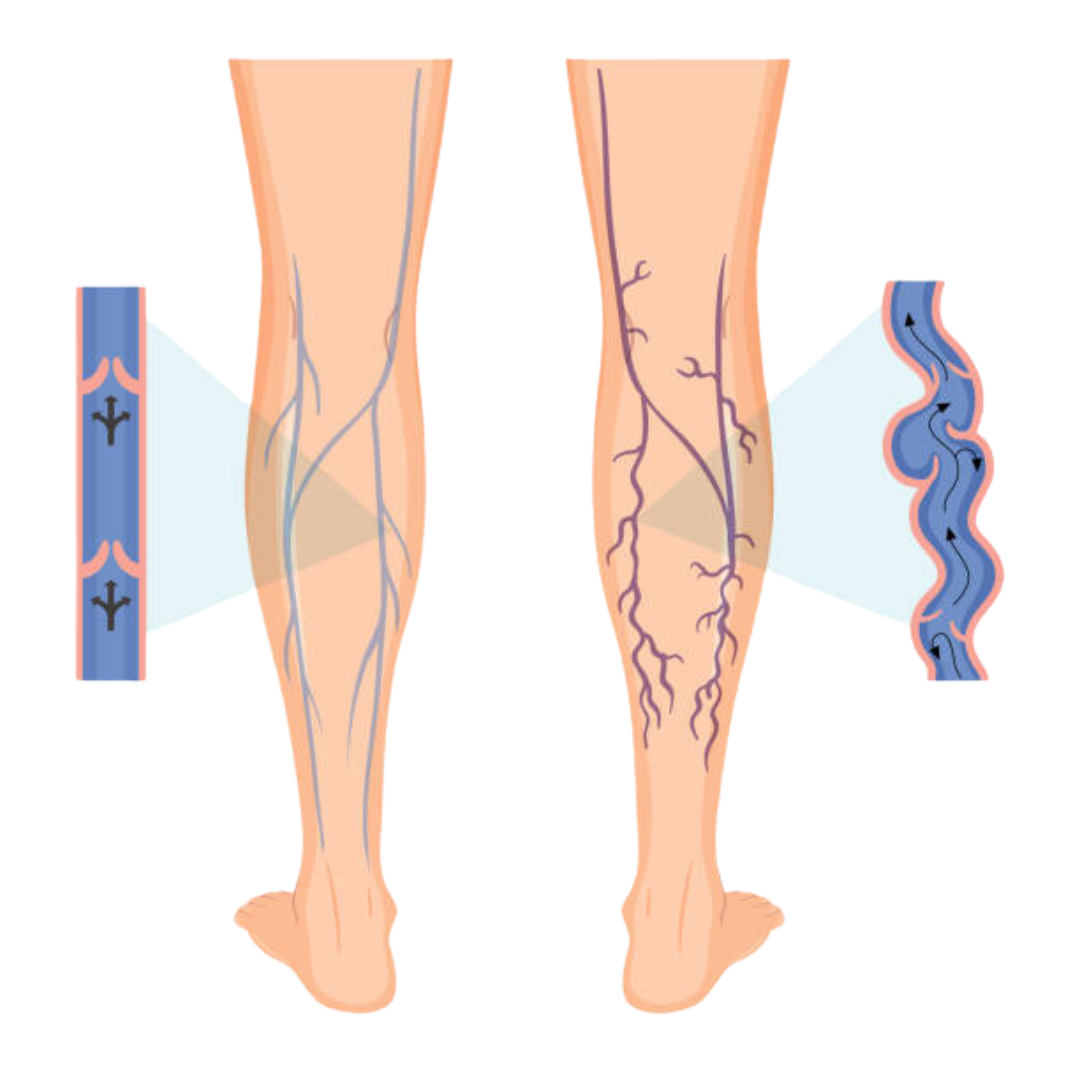
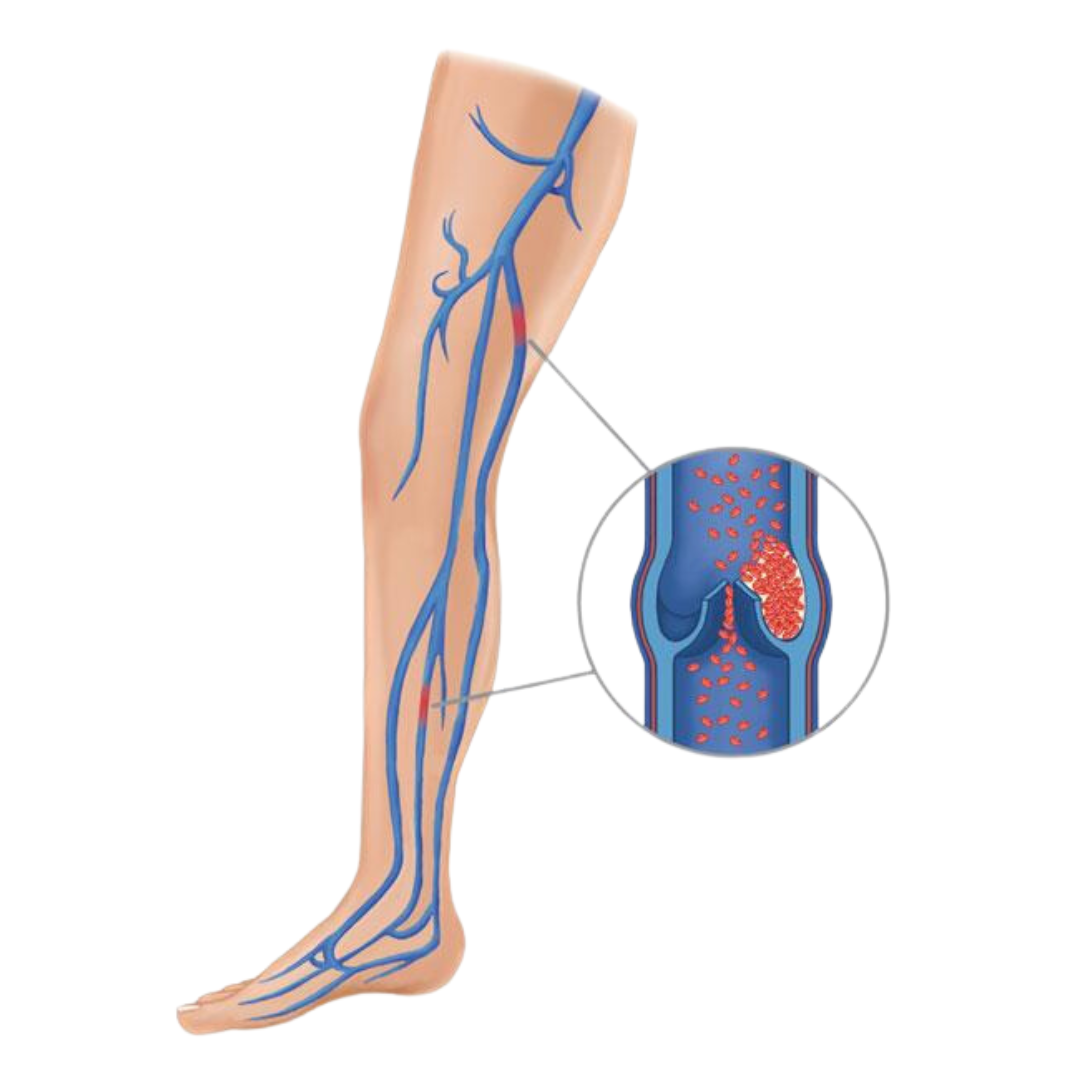
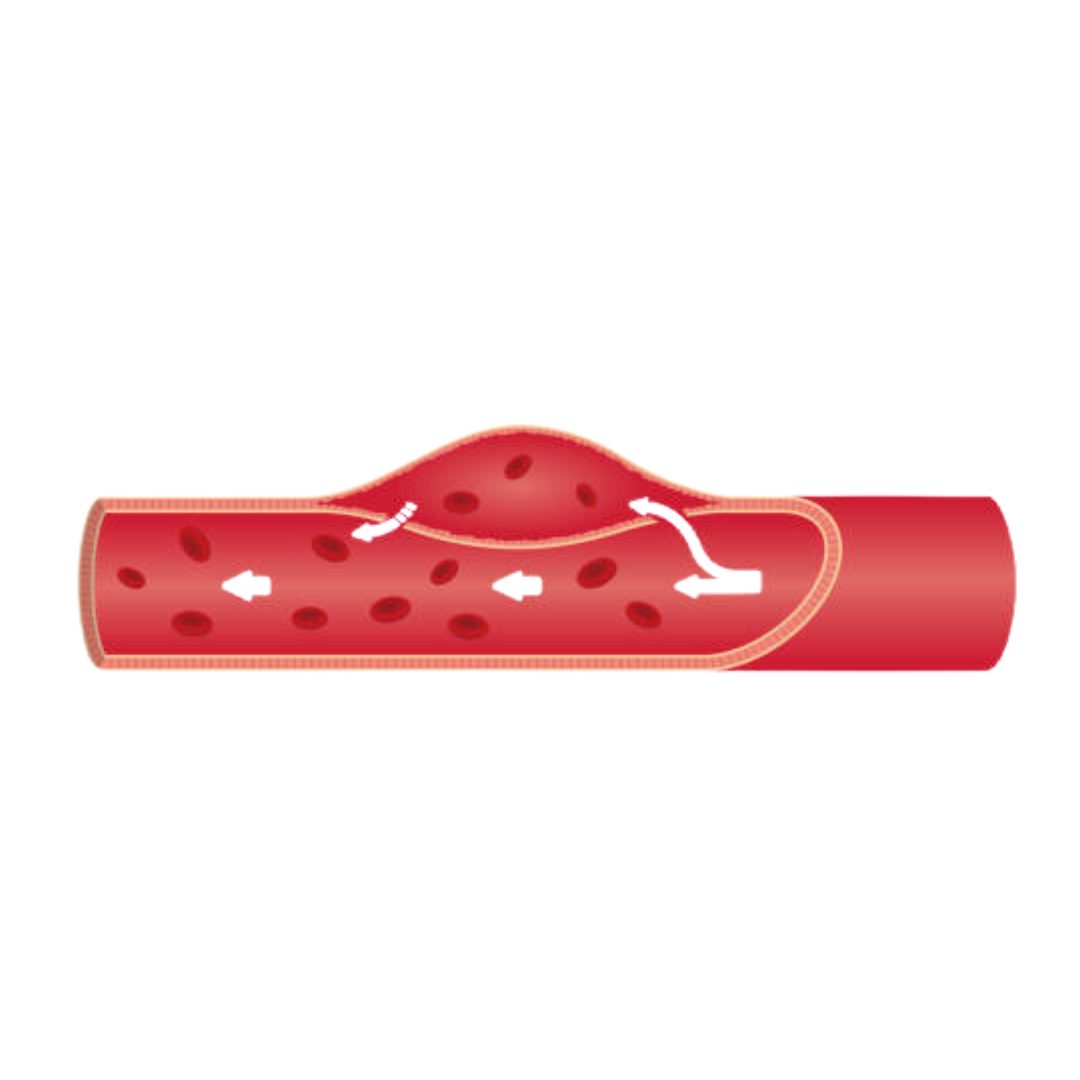
In most patients, the actual problem is deeper. There are valves inside the leg veins that are supposed to push blood upward toward the heart. When these valves become weak, blood starts flowing backward and collecting inside the vein.
This is called venous reflux.
Once reflux starts, the pressure inside the vein increases. Over time, the vein becomes enlarged, twisted and visible.
Some patients only notice the bulging vein. Others come with symptoms like:
- Leg heaviness: A tired or dragging feeling, especially after standing.
- Ankle swelling: Usually worse by evening.
- Aching pain: Often around the calf or visible veins.
- Night cramps: Tightness or cramping in the legs.
- Itching: Especially around the lower leg or ankle.
- Skin darkening: A sign of long-standing venous pressure.
- Bleeding from veins: This can happen when skin over the vein becomes thin.
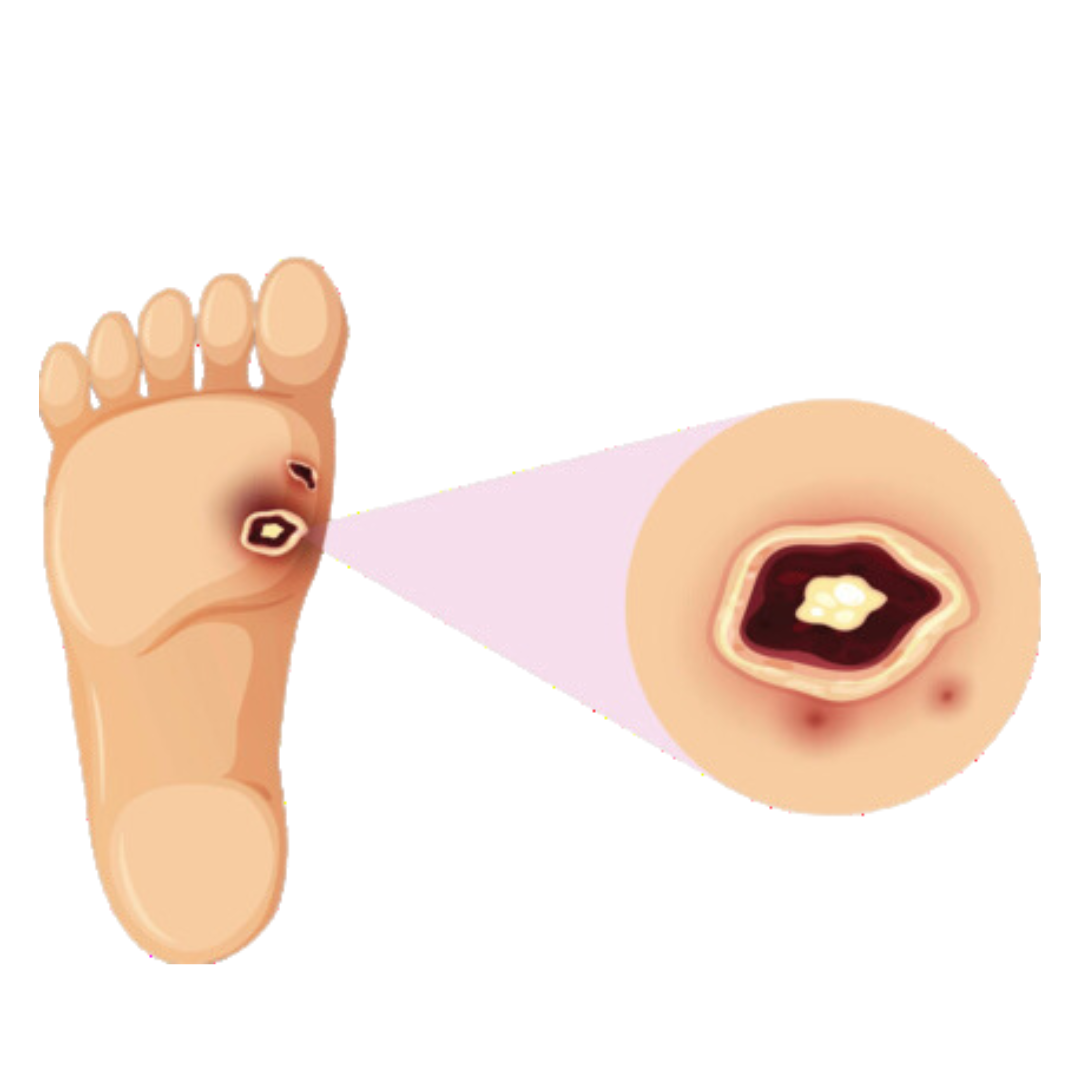
- Venous ulcer: A wound near the ankle that does not heal easily.
If the vein is only mildly symptomatic, medicines, walking, leg elevation and stockings may help.
But if Doppler shows a major leaking vein, then we need to treat the source of reflux. This is where EVLT and RFA come in.
What Is EVLT?
EVLT means Endovenous Laser Treatment.
I usually explain it like this: instead of removing the vein through open surgery, we close the faulty vein from inside using laser energy.
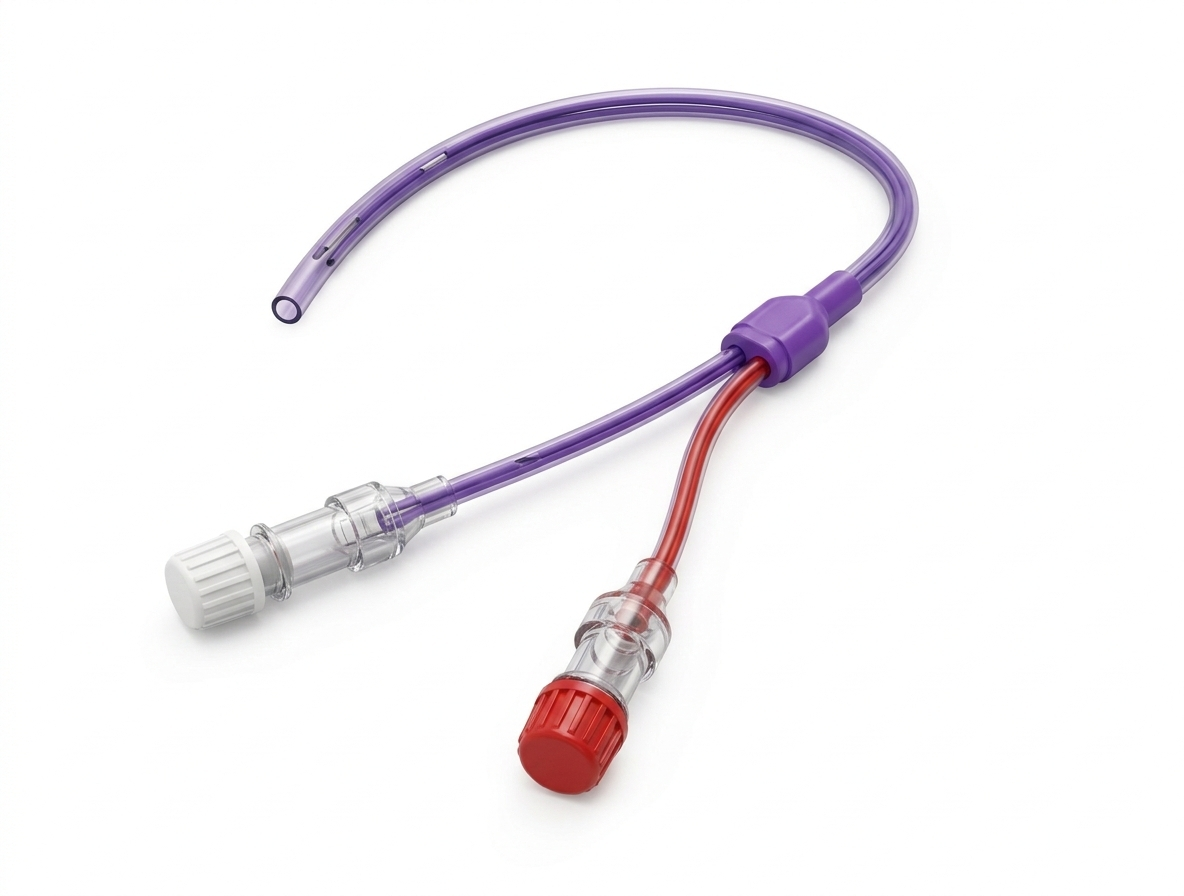
A thin laser fibre is passed into the diseased vein under ultrasound guidance. Once the fibre is in the correct position, laser energy is delivered inside the vein. This heat closes the vein.
After that, blood does not flow backward through that faulty vein anymore. It naturally moves through healthier veins.
EVLT is commonly used for:
- great saphenous vein reflux
- small saphenous vein reflux
- selected accessory vein reflux
- symptomatic varicose veins
- venous reflux confirmed on Doppler
- patients who want to avoid open vein surgery where suitable
EVLT is not the same as old-style vein stripping. It is done through a small puncture, not large cuts.
What Is RFA?
RFA means Radiofrequency Ablation.
Here also, we close the faulty vein from inside. The difference is the type of energy used.
In RFA, a radiofrequency catheter is placed inside the diseased vein under ultrasound guidance. The catheter delivers controlled heat to the vein wall. This causes the vein to collapse and seal.
Once the vein is closed, blood reroutes through normal veins.
RFA is commonly used for:
- refluxing saphenous veins
- selected straight vein segments
- patients with symptomatic venous reflux
- patients suitable for thermal ablation
- cases where controlled segmental heating is useful
Again, RFA is not major open surgery. It is a catheter-based treatment.
But like EVLT, it must be done after Doppler mapping.
EVLT vs RFA: The Main Difference
Patients often think EVLT and RFA are completely different procedures.
In principle, they are similar. Both are endovenous thermal ablation treatments. This means both use heat from inside the vein to close it.
The difference is the energy source.
EVLT uses laser heat.
RFA uses radiofrequency heat.
Both need ultrasound guidance.
Both are done through a small puncture.
Both aim to close the refluxing vein.
Both allow blood to move through healthier veins.
Here is a simple comparison:
| Factor | EVLT | RFA |
|---|
| Full form | Endovenous Laser Treatment | Radiofrequency Ablation |
| Energy used | Laser energy | Radiofrequency energy |
| How it works | Laser fibre heats and closes the vein | RF catheter heats and closes the vein |
| Guidance | Ultrasound-guided | Ultrasound-guided |
| Incision | Usually small puncture | Usually small puncture |
| Anaesthesia | Local/tumescent anaesthesia | Local/tumescent anaesthesia |
| Recovery | Usually quick | Usually quick |
| Best decided by | Doppler scan and vein anatomy | Doppler scan and vein anatomy |
So if someone asks, “Doctor, which is better?” my first response is always: “Let us first see which vein is leaking.”
Is RFA Better Than EVLT?
RFA can be very comfortable for many patients because the heat delivery is controlled and segmental.
In some patients, early tightness or discomfort may be less with RFA. But this also depends on the vein, technique, anaesthesia, energy settings and the patient’s pain sensitivity.
Modern EVLT has also improved significantly. With good laser systems, proper ultrasound guidance and correct tumescent anaesthesia, EVLT can also give excellent results.
So I do not say RFA is always better.
RFA may be preferred when:
- the vein is suitable for RF catheter placement
- the vein segment is reasonably straight
- controlled heating is preferred
- the patient wants a comfortable thermal ablation option
- the doctor feels RFA fits the vein anatomy better
But this is not a rule for every patient.
Is EVLT Better Than RFA?
EVLT is also a strong and widely used treatment for varicose veins.
It works well when the refluxing vein can be safely accessed and treated with laser fibre. Many patients do very well after EVLT.
EVLT may be preferred when:
- the vein anatomy is suitable for laser fibre
- the refluxing segment can be treated safely
- the doctor has strong laser experience
- the vein pattern fits laser treatment better
- associated branch veins can be planned separately
But again, EVLT is not automatically better than RFA.
The treatment should fit the patient, not the other way around.
Which Has Better Success Rate?
Both EVLT and RFA have high success when the patient is selected properly and the procedure is done correctly.
But success is not only about closing the vein.
For me, a successful varicose vein treatment means:
- the refluxing vein is closed
- leg heaviness reduces
- swelling improves
- pain becomes better
- skin changes do not progress
- wounds, if present, get a chance to heal
- the patient can stand and walk better
- recurrence risk is reduced with proper follow-up
A vein may close technically, but if branch veins are left untreated or the wrong vein was targeted, the patient may still have symptoms.
That is why Doppler mapping before treatment and follow-up after treatment are both important.
Is RFA a Major Surgery?
No. RFA is not major surgery.
It is a minimally invasive vein procedure. Usually, it is done through a small puncture under ultrasound guidance. Large cuts and vein stripping are not usually needed.
Most patients are encouraged to walk soon after the procedure.
But I always tell patients one thing: just because it is not major surgery, it should not be treated casually.
It still needs:
- proper Doppler evaluation
- sterile procedure setup
- ultrasound guidance
- correct patient selection
- post-procedure walking
- follow-up review
RFA is simple for the patient when it is planned well by the doctor.
Is EVLT a Major Surgery?
No. EVLT is also not major open surgery.
It is done through a small puncture. The laser fibre is passed inside the faulty vein and the vein is closed from within.
There is usually no traditional surgical stripping.
The recovery is generally much easier than old-style open surgery. But EVLT also needs careful planning.
A visible vein alone is not enough reason to do laser. We must know where the reflux is starting and how the vein is connected.
Recovery After EVLT and RFA
Most patients ask me, “Doctor, when can I walk?”
In most cases, walking is started soon after the procedure. In fact, walking is usually encouraged.
You may feel some tightness, pulling sensation, bruising or mild discomfort along the treated vein for a few days. This is expected in many patients and usually settles.
General recovery usually includes:
- walking soon after the procedure
- short observation after treatment
- compression stockings if advised
- avoiding heavy exercise for a few days
- avoiding long sitting or complete bed rest
- returning to routine activity based on comfort
- follow-up Doppler if required
Recovery depends on the number of veins treated, whether one leg or both legs are treated, whether branch veins also need treatment, and your general health.
How Long After RFA Do Varicose Veins Go Away?
This is another question patients ask very often.
After RFA, the main treated vein closes early. But the visible surface veins may not disappear immediately.
Some branch veins shrink gradually because the pressure inside them reduces. Others may still need sclerotherapy, foam treatment or small additional procedures.
A simple timeline is:
- First few days: Tightness, bruising or soreness may be present.
- First few weeks: Heaviness and swelling may start improving.
- Next few months: Visible veins may gradually reduce.
- Follow-up stage: Residual veins may need additional treatment.
So do not expect every visible vein to vanish the next day.
The main aim is to treat the leaking source first.
How Long After EVLT Do Varicose Veins Go Away?
EVLT follows a similar pattern.
The treated vein closes, but the visible improvement takes time. The body slowly absorbs the closed vein. Branch veins may shrink over weeks to months.
If there are many visible veins, spider veins or branch varicosities, EVLT alone may not clear all of them cosmetically.
This is why I explain the full plan before treatment.
Sometimes the first step is EVLT or RFA.
The second step may be sclerotherapy.
In some cases, phlebectomy may be needed for large branch veins.
One procedure does not always mean the whole leg is cosmetically perfect immediately.
What Are the Disadvantages of RFA?
RFA is effective, but it is not suitable for every patient.
Possible limitations include:
- the vein must allow catheter passage
- very tortuous veins may not be ideal
- branch veins may need additional treatment
- tightness or bruising can happen
- recurrence can happen over time
- rare nerve irritation is possible
- rare clot-related complications can occur
- cost may vary depending on setup and consumables
Most risks are reduced with proper Doppler mapping, ultrasound guidance and correct technique.
What Are the Disadvantages of EVLT?
EVLT also has limitations.
Possible disadvantages include:
- discomfort or tightness along the treated vein
- bruising in some patients
- temporary skin sensitivity
- branch veins may still need sclerotherapy
- rare nerve irritation
- rare clot-related complications
- recurrence or new veins can happen later
- not suitable for every vein pattern
Again, the problem is not EVLT itself. The problem comes when treatment is done without choosing the right patient or right vein.
Can Nerves Be Affected After EVLT or RFA?
Sometimes patients read online about nerve damage and become worried.
The truth is that mild nerve irritation can happen in some vein treatments, especially when the vein lies close to a sensory nerve. This may cause numbness, tingling or altered sensation in a small skin area.
The risk depends on:
- vein location
- how close the vein is to a nerve
- whether the vein is below the knee
- quality of ultrasound guidance
- use of tumescent anaesthesia
- treatment technique
Most mild nerve symptoms improve with time. Serious nerve injury is uncommon when treatment is carefully planned.
Can You Walk Too Much After Vein Ablation?
Walking is good after EVLT and RFA, but it should be sensible walking.
I usually advise patients to walk regularly in short intervals. Complete bed rest is not good. But heavy gym workouts, running, long travel or standing for many hours immediately after treatment should be avoided unless cleared.
After ablation:
- walk regularly
- avoid long sitting
- avoid heavy exercise for a few days
- avoid running too early
- avoid standing still for long periods
- wear stockings if prescribed
- follow the doctor’s activity advice
Too much intense activity too early can increase discomfort. Too little movement can also slow recovery.
Balance is important.
How Many Times Can RFA or EVLT Be Done?
Usually, one treated vein does not need repeat ablation if it has closed properly.
But some patients have disease in both legs. Some have more than one leaking vein. Some develop new reflux years later.
Repeat treatment may be needed when:
- both legs are affected
- another vein becomes refluxing
- the first treatment was incomplete
- branch veins remain symptomatic
- new varicose veins appear later
- disease progresses over time
Before repeating treatment, Doppler ultrasound should confirm the actual problem.
We should not keep treating visible veins without finding the source.
Can Varicose Veins Be Removed Permanently?
The treated vein can close permanently, but varicose vein disease can recur.
This is important to understand.
If EVLT or RFA closes the diseased vein, that vein usually remains closed when treatment is successful. But new varicose veins can develop later because the tendency for venous disease may remain.
Recurrence risk is higher with:
- family history
- long standing jobs
- pregnancy
- weight gain
- untreated branch veins
- previous clots
- ageing
- missed reflux sources
So I avoid using the word “100% permanent cure.”
A better promise is this: correct diagnosis, correct treatment and regular follow-up give the best chance of long-term control.
What Is the Most Successful Treatment for Varicose Veins?
The most successful treatment is the one that treats the right vein.
For some patients, EVLT is excellent.
For some, RFA is excellent.
For spider veins, sclerotherapy may be better.
For large branch veins, additional procedures may be needed.
For advanced skin changes or ulcers, the treatment plan must be more detailed.
So instead of asking, “Which treatment is best?” ask, “Which vein is causing my symptoms?”
That answer comes from Doppler ultrasound.
How I Decide Between EVLT and RFA in My Practice
When I see a patient with varicose veins, I look at four things.
First, I listen to the symptoms. Is the patient having only visible veins, or is there heaviness, swelling, pain, skin darkening or ulcer?
Second, I examine the leg. I look at the vein pattern, skin condition, swelling and any wound.
Third, I do Doppler ultrasound. This is the most important step. It tells me where the reflux starts and which vein is faulty.
Fourth, I explain options. If EVLT is suitable, I explain it. If RFA is better, I explain that. If sclerotherapy or another treatment is needed, I explain that too.
The patient should understand why a treatment is chosen.
Not just what treatment is chosen.
When to Consult Dr Sravan C.P.S
You should consult a vascular specialist if you have:
- visible bulging veins
- leg heaviness after standing
- ankle swelling by evening
- calf pain or night cramps
- itching around veins
- skin darkening near the ankle
- bleeding from a vein
- non-healing wound near the ankle
- symptoms returning after medicines or stockings
- confusion between EVLT, RFA, sclerotherapy or surgery
If you are looking for varicose veins treatment in Bangalore, especially around Basavanagudi and South Bangalore, Dr Sravan C.P.S can help decide whether EVLT, RFA or another treatment is suitable after Doppler evaluation.
Why Patients Consult Dr Sravan C.P.S for Varicose Veins
Dr Sravan C.P.S is a vascular and endovascular surgeon focused on vein and artery conditions, including varicose veins, venous disorders, deep vein thrombosis, diabetic foot circulation problems and minimally invasive vascular procedures.
For varicose veins, his approach is not to push one fixed treatment. The aim is to understand the vein map first and then select the option that fits the patient.
That may be EVLT.
It may be RFA.
It may be sclerotherapy.
It may be conservative care in early cases.
It may be a combined plan when the vein disease is advanced.
Patients can visit the main website here:
https://vasculardoctorsravan.com/
Conclusion
EVLT and RFA are both good treatments for varicose veins when used in the right patient. EVLT uses laser energy. RFA uses radiofrequency energy. Both close the faulty vein from inside and help blood flow through healthier veins.
The better option depends on Doppler findings, vein size, vein path, symptoms, skin condition and treatment goals. Do not choose only by comparing names online. First, find out which vein is leaking. Once the diagnosis is clear, the treatment choice becomes much easier.