
Diabetic Foot Care
Understanding Diabetic Foot
Diabetic foot complications arise from the long-term effects of diabetes, including nerve damage (diabetic neuropathy) that reduces pain sensation. High blood sugar levels over time can lead to not only foot and skin problems but also more severe health issues such as heart disease, kidney failure, and more.
Diabetic Foot Treatment in Bangalore
When a person with diabetes develops a foot wound that is not healing, I do not look at the wound alone. I want to know four things: Is there infection? Is there enough blood reaching the foot? Has reduced sensation allowed repeated injury? Is pressure on the wound preventing it from healing?
These questions matter because regular dressing can protect and manage the wound surface, but dressing alone cannot correct poor circulation, deep infection or repeated pressure on the same area. Diabetic foot treatment therefore needs to identify why the wound is not healing, and then treat each contributing problem appropriately.
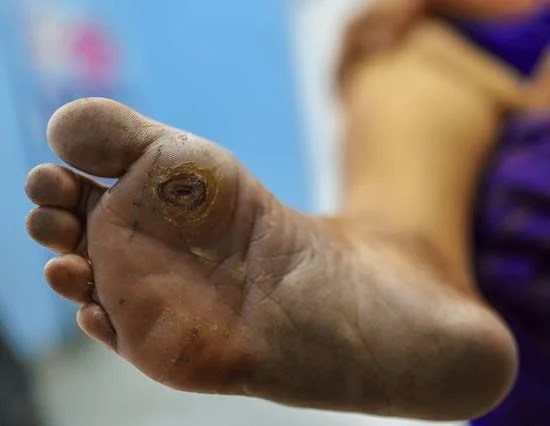
Recognizing Symptoms of Diabetic Foot
Symptoms can vary widely but may include:
- Pain or tingling in the feet, especially at night
- Changes in skin temperature
- Numbness or a feeling of cold
- Painless blisters or wounds
- Red lines or streaks
- Discharge from wounds
- Loss of sensation
- Discoloration on socks from drainage
- Changes in skin color
- Changes in the shape of the foot
Common Foot Problems in Diabetes
People with diabetes are at an increased risk for several foot-related issues due to the complex nature of the disease, which can affect nerves and blood flow. Here’s a detailed look at common diabetic foot problems:
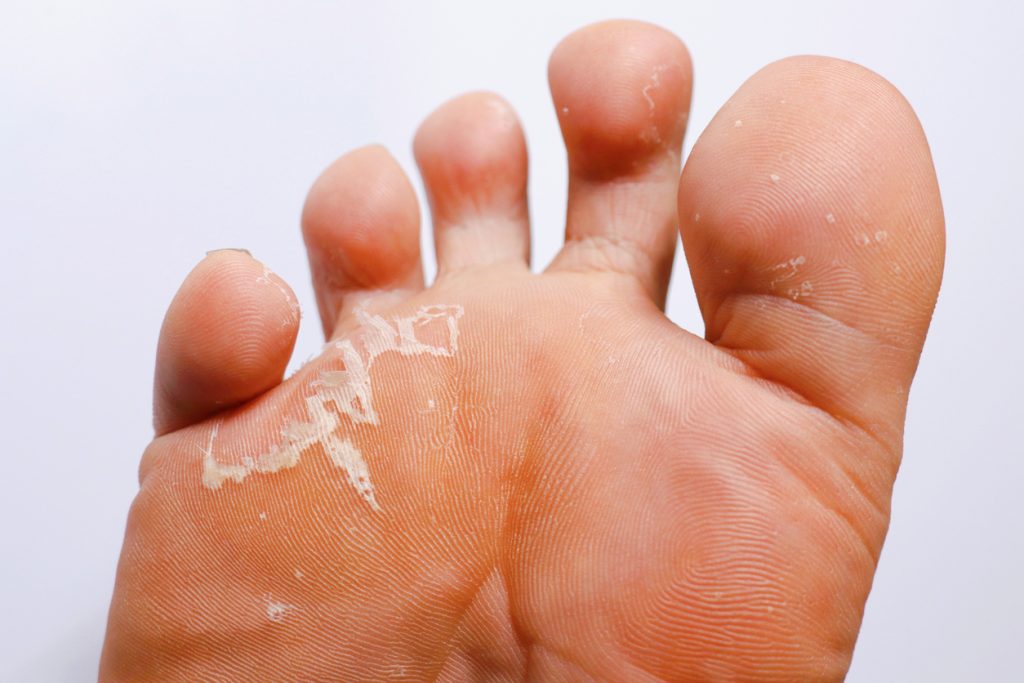
- Athlete’s Foot: This is a fungal infection that thrives in moist environments, leading to itching, redness, and cracking of the skin, usually between the toes. If left untreated, it can provide an entry point for bacteria, leading to more severe infections. Treatment includes topical antifungal creams and, in more stubborn cases, oral medications.
- Fungal Nail Infections: Diabetes can lead to changes in the nails, making them more susceptible to fungal infections. Infected nails may become yellowish-brown or opaque, thick, brittle, and separated from the nail bed. Treatment options are somewhat limited due to the nail’s hard structure, with topical treatments often ineffective. Oral antifungal medications or the removal of damaged nail tissue may be necessary.
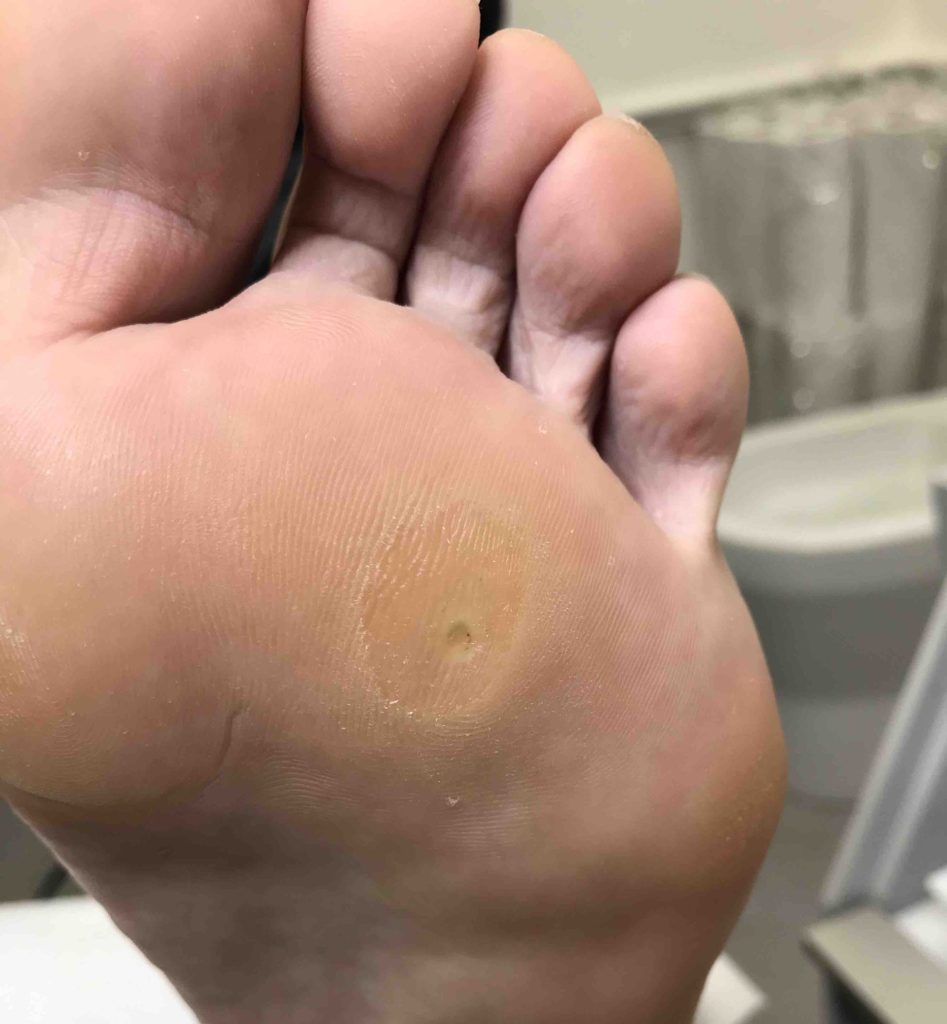
- Calluses: A callus is a thickened area of skin that forms as a response to repeated pressure or friction, commonly found on the underside of the foot. For people with diabetes, calluses may develop more easily and require careful management to prevent them from turning into ulcers. Treatment includes using a pumice stone to gently remove the thickened skin after bathing, applying cushioned pads to relieve pressure, and using prescribed creams to soften calluses.
- Corns: Similar to calluses, corns are hardened areas of skin that form due to friction, often from shoes that do not fit well. They can become painful and infected if not properly managed. Treatment involves wearing properly fitting shoes, using protective pads, and never attempting to cut them off, as this can lead to infections.

- Bunions: A bunion occurs when the big toe bends towards the second toe, causing the joint to protrude and become red and painful. This condition can be exacerbated by wearing narrow, tight shoes. Treatment options include protective padding to cushion the bunion, orthotic devices to relieve pressure, and in severe cases, surgery to realign the toe.
- Dry Skin: Diabetic neuropathy can disrupt the autonomic nerves responsible for oil and moisture secretion in the skin, leading to dry, cracked feet. These cracks can become entry points for infection. Keeping the skin moisturized with appropriate lotions (avoiding application between the toes) can help prevent this problem.
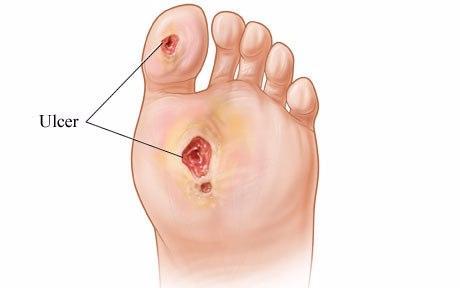
- Foot Ulcers: Ulcers are open wounds on the foot that can develop from minor scrapes or cuts, often without the patient realizing due to loss of sensation from neuropathy. Because diabetes affects healing, these wounds can quickly escalate into serious infections. Early and aggressive treatment involving cleaning the wound, applying dressings, and possibly using antibiotics is vital to prevent complications.
- Hammertoes: This deformity causes the toe to bend at the middle joint, leading to pain and pressure. Hammertoes are often a result of nerve damage that affects muscle control. Treatment can include splinting the toe, wearing corrective shoes, or surgery in severe cases.
- Ingrown Toenails: When toenails grow into the surrounding skin, they can cause pain, redness, and infection. Proper nail care, including straight-across trimming and avoiding tight shoes, can prevent ingrown toenails. Persistent or severe cases may require surgical intervention.
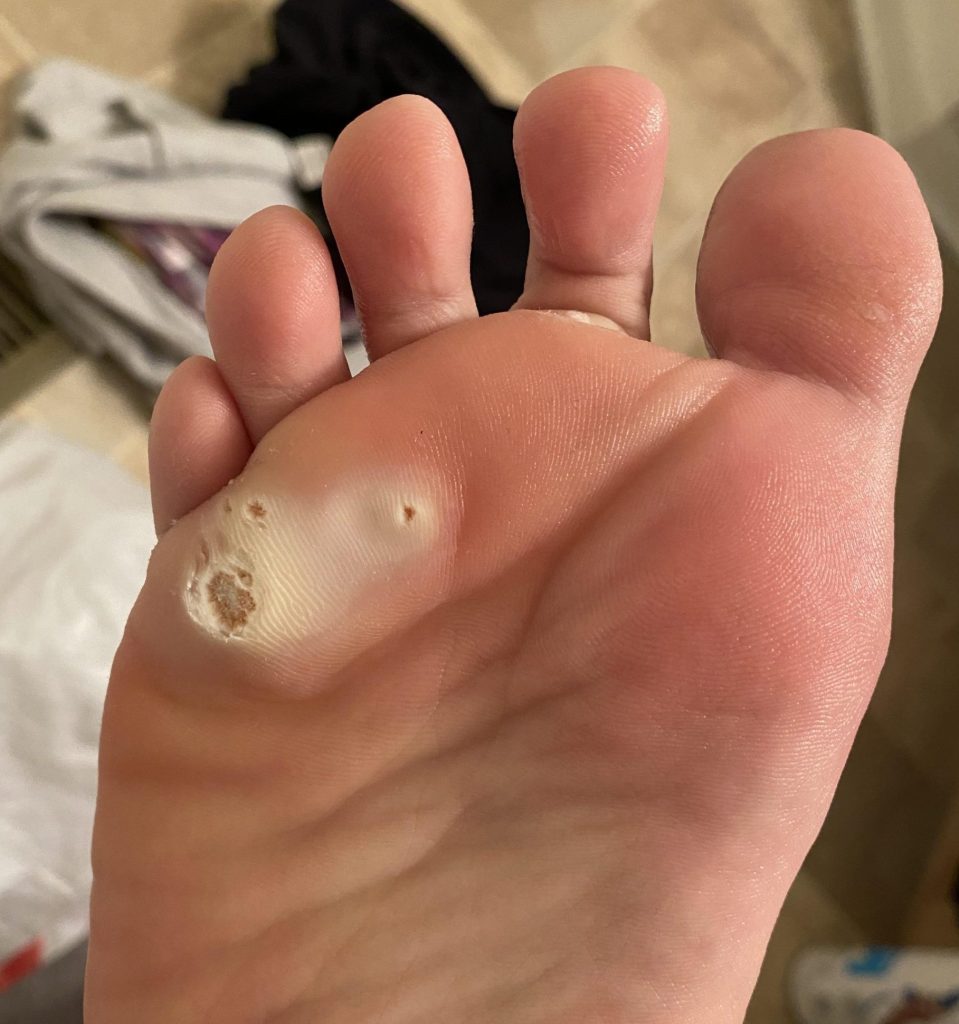
- Plantar Warts: Caused by a viral infection in the outer layer of skin on the soles of the feet, plantar warts are painful and can resemble calluses with tiny black dots. Treatments include topical solutions, cryotherapy, and laser therapy.

Protecting Your Feet
For individuals with diabetes, diligent foot care and regular check-ups with healthcare professionals are crucial to prevent these common foot issues from developing into serious complications. Early detection and treatment can make a significant difference in outcomes.
Effective Management and Treatment:
For diabetic foot issues, management may include controlling infection, removing dead tissue, regular dressing changes, and ensuring proper blood flow. Using appropriate footwear to alleviate pressure on wounds is also crucial.
Prevention: The Best Medicine
You can prevent many common foot problems with diligent care:
- Manage your diabetes effectively to maintain healthy blood sugar levels.
- Daily foot inspections for any changes or injuries.
- Wash and dry your feet daily, using mild soap and warm water.
- Moisturize your skin but avoid lotion between toes.
- Trim toenails correctly and file them gently.
- Wear appropriate footwear that fits well to protect your feet.
- Keep your feet protected indoors and outdoors, avoiding barefoot walking.
- Maintain good blood flow to your feet with regular movement and positioning.
- Quit smoking to improve circulation.
- Your Path to Healthy Feet

Taking these steps seriously can help prevent the development of severe complications, ensuring your feet stay healthy and functional. Remember, managing your diabetes and practicing good foot hygiene plays a crucial role in preventing diabetic foot issues. Always consult with healthcare professionals for personalized advice and treatment options.
What Do We Mean by a Diabetic Foot Problem?
“Diabetic foot” is not one single disease.
It describes a group of problems that can develop in the feet of people with diabetes.
These may include:
- loss of sensation due to neuropathy
- foot ulcers
- infection
- reduced arterial blood flow
- pressure-related wounds
- deformity
- tissue damage
- gangrene in advanced cases
Very often, more than one problem is present at the same time.
For example, a patient may lose sensation in the foot because of neuropathy. A small shoe bite is therefore not noticed. The patient continues walking on it, the wound becomes deeper, and if blood circulation is also poor, healing becomes much more difficult.
This is why simply asking, “Which dressing should I use?” may not be enough.
The more important question is:
“What is preventing this wound from healing?”
Why Are Foot Problems Different in People With Diabetes?
Diabetes can affect both the nerves and blood vessels.
Reduced sensation
Diabetic neuropathy can reduce the ability to feel pain, heat, pressure or minor injury.
This creates an unusual situation.
A wound can become quite significant without causing the amount of pain we would normally expect.
I have seen patients who continue walking on an ulcer because they say:
“Doctor, there is no pain.”
But absence of pain does not necessarily mean the wound is minor.
In some diabetic patients, it may mean the opposite. The protective sensation that normally tells us to stop putting pressure on an injured area has become reduced.
Reduced blood circulation
Diabetes is also associated with peripheral arterial disease, or PAD.
When the arteries supplying the leg and foot become narrowed or blocked, the tissues receive less blood.
A wound needs oxygen and nutrients delivered through the circulation to heal.
So if blood flow is significantly reduced, even good dressing and appropriate wound care may struggle to achieve healing until the circulation problem is addressed.
Increased risk of infection
An open wound gives bacteria an opportunity to enter the tissues.
Some diabetic foot infections remain superficial. Others can spread into deeper tissue, tendon, joints or bone.
That distinction is important because the treatment required for a superficial wound is very different from the treatment for a deep infection.
What Are the Warning Signs of a Diabetic Foot Problem?
If you have diabetes, please do not wait only for severe pain before checking your feet.
Changes that deserve medical assessment include:
- a new cut, blister or ulcer
- a wound that is not improving
- swelling around the foot
- redness or warmth
- discharge or pus
- unpleasant smell from a wound
- black or darkening skin
- a toe changing colour
- increasing swelling
- numbness or loss of sensation
- a foot that feels unusually cold
- pain in the foot even while resting
- repeated wounds at the same pressure point
A diabetic foot wound that is worsening, infected, becoming dark or associated with significant swelling should be evaluated promptly.
When Is a Diabetic Foot Problem Urgent?
Some diabetic foot problems should not wait for a routine appointment.
Please seek prompt medical evaluation if there is:
- spreading redness
- increasing swelling
- pus or significant discharge
- fever associated with a foot infection
- foul-smelling tissue
- rapidly worsening wound
- blackening of a toe or part of the foot
- severe rest pain
- a cold or suddenly pale foot
- sudden worsening of circulation symptoms
Black tissue is particularly important.
People often use the word “gangrene” for any dark area, but the cause and extent need to be assessed properly.
There may be infection, severe loss of blood supply, tissue death or a combination of problems.
This is not something I would advise monitoring at home to “see what happens”.
Why Can a Diabetic Foot Wound Fail to Heal Despite Regular Dressing?
This is one of the most common situations I see.
The patient or family tells me:
“Doctor, dressing has been going on regularly, but the wound is not closing.”
My next question is:
Why is it not closing?
Several factors may be responsible.
Poor blood flow
If the arteries supplying the foot are significantly narrowed or blocked, the tissue may not receive adequate blood for healing.
No dressing can physically open a blocked leg artery.
Infection
If infection remains in the wound or has spread deeper, wound healing can remain stalled.
Continued pressure
Imagine having a wound on the sole of the foot and putting your full body weight on exactly the same point several thousand times each day.
Even the best dressing has difficulty overcoming repeated mechanical injury.
Reducing pressure on the wound is called offloading, and it can be an essential part of treatment.
Neuropathy
If sensation is reduced, the patient may not realise that a particular shoe, walking pattern or pressure point is repeatedly damaging the same area.
Blood sugar and general health
Poor glucose control, nutritional problems and other medical conditions can also influence healing.
So when a wound does not improve, the answer is not always “change the dressing”.
Sometimes the whole treatment strategy needs to be reassessed.
How I Assess a Diabetic Foot Wound
When a patient comes to me with a diabetic wound, I prefer to assess the whole foot and circulation rather than looking only at the ulcer.
The evaluation usually asks four broad questions.
1. What is happening in the wound?
I look at:
- where the wound is located
- size and depth
- surrounding skin
- discharge
- dead tissue
- signs of infection
- pressure points
- whether deeper structures may be involved
2. Is infection present?
Redness, swelling, warmth, discharge and tissue changes can suggest infection.
If I am concerned about deeper infection, additional investigations may be required depending on the clinical findings.
Antibiotics are useful when there is a bacterial infection, but antibiotics alone cannot solve every diabetic foot problem.
If dead or infected tissue needs removal, or if there is a collection of pus, a procedural or surgical component may also be required.
3. Is enough blood reaching the foot?
This is the part where vascular assessment becomes especially important.
I examine the foot pulses, temperature, colour and other clinical signs of circulation.
If arterial disease is suspected, we may need objective circulation testing.
4. Is repeated pressure preventing healing?
The location of a wound often gives useful information.
A wound under the forefoot, heel or another weight-bearing area may be repeatedly exposed to pressure during walking.
This pressure has to be addressed as part of the healing strategy.
How Is Blood Circulation Checked in a Diabetic Foot?
The assessment begins clinically.
I examine pulses in the leg and foot and look for signs that may suggest reduced arterial blood flow.
Depending on the findings, investigations can include vascular physiological tests and Doppler ultrasound.
You can read more about broader vascular investigations on Dr Sravan’s Vascular Lab page.
Is ABI Always Accurate in People With Diabetes?
The ankle-brachial index, or ABI, is commonly used to assess lower-limb circulation.
But there is an important limitation in diabetes.
In some patients, the arteries become stiff or calcified and may not compress normally during the test. This can make the ABI appear better than the true circulation.
That is why I do not interpret a single ABI value in isolation in every diabetic patient.
Toe pressure measurements, Doppler findings and other circulation assessments may provide additional information when necessary.
The test has to be interpreted in the context of the wound and the patient.
What Is the Relationship Between Diabetic Foot and Peripheral Artery Disease?
Peripheral artery disease can significantly affect healing in a diabetic foot wound.
PAD means that the arteries carrying blood into the leg and foot have become narrowed or blocked.
A patient may have typical symptoms such as calf pain while walking.
But some patients with diabetic neuropathy do not experience the usual warning pain.
They may first come to medical attention because of:
- a non-healing toe wound
- heel ulcer
- discolouration
- gangrene
- recurrent infection
This is why the absence of walking pain does not completely rule out an important circulation problem in a diabetic patient.
You can read the full arterial treatment pathway on the Peripheral Artery Disease Treatment page.
Does Every Diabetic Foot Wound Need Angioplasty?
No.
This is very important.
A patient having diabetes and a foot ulcer does not automatically mean an angioplasty is required.
First, we establish whether poor arterial circulation is actually contributing to the wound.
If circulation is adequate, the main problem may be pressure, infection, neuropathy or another wound-related factor.
If significant arterial disease is present and the foot is not receiving enough blood, then restoring circulation may become an important part of treatment.
The procedure must have a reason.
We are not treating the scan.
We are treating the patient and the foot.
When May Angioplasty Be Considered?
If vascular assessment shows significant arterial narrowing or blockage that is compromising blood supply to the foot, revascularisation may be considered.
Angioplasty is one way of restoring blood flow.
A catheter is guided through the artery and a balloon is used to widen an appropriate narrowed or blocked segment.
Depending on the arterial anatomy, additional devices or a stent may sometimes be required.
The purpose in a diabetic foot patient is not simply to produce a better-looking angiogram.
The aim is to improve blood supply to tissue that needs to heal.
When Might Bypass Surgery Be Needed?
Some patterns of arterial disease are better treated surgically.
Bypass creates an alternative route for blood to travel around a blocked artery.
Whether angioplasty or bypass is more appropriate depends on factors including:
- location of the arterial disease
- length and complexity of the blockage
- availability of suitable vessels
- severity of the foot problem
- patient’s general health
- expected benefit of treatment
In complex cases, vascular treatment planning needs to be individual rather than based on one preferred technique.
What Is Debridement?
Debridement means removing dead, unhealthy or infected tissue from a wound when appropriate.
Dead tissue can interfere with wound assessment and healing and may sometimes harbour infection.
But even debridement has to be planned carefully.
In a foot with severely compromised circulation, the vascular status matters.
This is another reason the wound and circulation should not be treated as completely separate problems.
Why Is Offloading Important?
If pressure caused or is aggravating the wound, that pressure needs to be reduced.
This is called offloading.
Depending on the location and type of ulcer, the strategy may involve specialised footwear or devices designed to reduce pressure through the affected area.
The exact method should be selected for the individual patient.
Simply telling someone “do not walk” is not a complete offloading plan, and continuing to walk normally on a pressure ulcer can repeatedly traumatise the wound.
Does Every Diabetic Foot Infection Need Antibiotics?
No.
Antibiotics are used when there is a clinical bacterial infection.
They are not prescribed simply because an ulcer exists.
And when an infection is present, the correct treatment depends on how extensive it is.
A mild superficial infection and a deep infection involving bone are very different clinical situations.
Treatment may involve:
- appropriate antibiotics
- drainage when required
- removal of infected or dead tissue
- wound care
- pressure reduction
- assessment of blood supply
- treatment of the underlying arterial problem when present
The individual components need to work together.
What If the Infection Has Reached the Bone?
A diabetic foot infection can sometimes extend into the bone. This is called osteomyelitis.
If bone involvement is suspected, further assessment and imaging may be required.
Treatment depends on the location and extent of infection, the condition of the surrounding tissue, circulation and overall clinical situation.
Some patients may be managed with prolonged medical treatment in selected situations, while others require surgical management.
This decision cannot be made simply from the appearance of the skin wound.
Does Gangrene Always Mean the Leg Has to Be Amputated?
No, but gangrene is a serious finding and needs timely assessment.
The word gangrene describes tissue that has died.
The next questions are:
How much tissue is affected?
Is infection present?
What is the blood supply?
Is the remaining foot viable?
Can circulation be improved?
What treatment gives the patient the safest and most functional outcome?
Sometimes only a small amount of tissue is affected.
In other situations, damage may be much more extensive.
The treatment decision has to come after assessing both the extent of tissue injury and the vascular anatomy.
I would never promise a patient that every diabetic foot can be managed without amputation.
Equally, I would not assume that seeing black tissue automatically means a major amputation is the only option.
The correct assessment comes first.
What Does Limb Preservation Mean?
Limb preservation means trying to maintain as much useful, living tissue and function as is safely possible.
It may involve a combination of:
- infection control
- wound care
- removal of unhealthy tissue
- pressure reduction
- restoration of arterial blood flow
- diabetes management
- rehabilitation and follow-up
The aim is not to “save a limb at any cost”.
The aim is to make a medically sound decision that considers healing, infection control, circulation, function and the patient’s overall health.
How Long Does a Diabetic Foot Wound Take to Heal?
There is no single recovery time.
Two wounds of exactly the same size can heal very differently.
Healing depends on:
- blood circulation
- depth of the wound
- infection
- pressure on the area
- neuropathy
- glucose control
- nutrition
- kidney disease and other medical conditions
- whether revascularisation is required
- ability to follow the wound-care and offloading plan
This is why I avoid telling a patient:
“This wound will heal in exactly three weeks.”
A better way to judge progress is to monitor the wound over time and ask whether the underlying barriers to healing are being corrected.
What Happens After Circulation Is Restored?
Angioplasty or bypass does not replace wound care.
If a patient undergoes revascularisation, the wound still needs ongoing treatment.
That may include:
- wound assessment
- dressing
- infection control
- debridement when appropriate
- pressure reduction
- foot protection
- diabetes management
- vascular follow-up
Improving circulation gives the tissue a better opportunity to heal, but the other problems still need attention.
Can Another Diabetic Foot Ulcer Develop Later?
Yes.
Once a patient has developed one diabetic foot ulcer, preventing another wound becomes very important.
The underlying factors may still be present.
These can include neuropathy, pressure points, altered foot shape, PAD and reduced ability to notice injuries.
Long-term foot care therefore matters even after a wound has healed.
How Can I Protect My Feet if I Have Diabetes?
Simple habits are useful, particularly for patients with reduced sensation.
I advise patients to:
- inspect both feet every day
- look between the toes and under the foot
- avoid walking barefoot
- check footwear before putting it on
- use properly fitting footwear
- avoid cutting corns or calluses themselves
- protect the feet from hot water and heating devices
- keep the skin clean and appropriately moisturised
- seek advice early for new wounds
- continue diabetes, BP and cholesterol management as advised
If sensation is reduced, use your eyes to replace what your nerves are no longer reliably telling you.
That is a simple habit, but it is an important one.
When Should You See a Vascular Surgeon?
A vascular assessment becomes particularly useful when a patient with diabetes has:
- a wound that is not healing as expected
- weak or absent foot pulses
- a cold foot
- toe or foot discolouration
- rest pain
- gangrene
- a wound together with known PAD
- recurrent wounds despite treatment
- a vascular Doppler showing reduced arterial flow
- an ulcer where poor blood supply needs to be excluded
- a recommendation for angioplasty or bypass and the family wants to understand why
The role of the vascular surgeon is not only to perform angioplasty or bypass.
The first role is to determine whether a circulation problem is actually present and whether improving blood flow is necessary for that patient.
How I Approach Diabetic Foot Treatment
When someone comes to me with a diabetic wound, I do not want the family to think only in terms of:
“Which dressing?”
or
“Does he need angioplasty?”
I prefer to break the problem down.
Is the wound infected?
Is enough blood reaching the foot?
Is the patient repeatedly putting pressure on the wound?
Is neuropathy preventing them from feeling further injury?
Is there dead tissue that needs to be managed?
Once we answer these questions, the treatment becomes much clearer.
Sometimes wound care and offloading are the main treatment.
Sometimes infection is the immediate concern.
Sometimes blood flow needs to be restored.
And quite often, more than one of these treatments needs to happen together.
Dr Sravan C.P.S is a vascular and endovascular surgeon in Bangalore with training in peripheral vascular surgery and experience in the evaluation of peripheral artery disease, diabetic foot ulcers and complex vascular conditions.
His approach is to assess the circulation and explain both endovascular and surgical options when they are clinically appropriate.
Frequently Asked Questions About Diabetic Foot Treatment
Why is my diabetic foot wound not healing even with regular dressing?
Dressing is only one part of wound treatment. A wound may remain open because of poor blood circulation, infection, repeated pressure, neuropathy, poor glucose control or other medical factors. When a wound is not progressing, the underlying reason needs to be reassessed rather than only changing the dressing.
Which doctor should I see for a non-healing diabetic foot wound?
The right specialist depends on the problem. Diabetic foot care may require input from several disciplines. A vascular surgeon is particularly important when there is concern about reduced blood supply, PAD, gangrene, a non-healing wound or the possible need for revascularisation.
How do I know if my diabetic foot has poor blood circulation?
Signs can include a cold foot, weak pulses, colour change, rest pain, gangrene or a wound that is not healing. However, symptoms can be less obvious in patients with neuropathy. Examination and vascular testing such as Doppler and pressure measurements may be needed.
Can a diabetic foot ulcer heal without angioplasty?
Yes. Not every diabetic foot ulcer is caused by poor arterial circulation. If blood flow is adequate, treatment may focus on wound care, pressure reduction, infection management and diabetes control. Angioplasty is considered when significant arterial disease is contributing to the clinical problem.
Is blackening of a toe always gangrene?
Black tissue can indicate tissue death, but the underlying cause and extent need proper medical assessment. Poor circulation, infection or a combination of factors may be present. New blackening or rapidly progressing discolouration requires prompt evaluation.
Can gangrene be treated without major amputation?
In some patients, it may be possible to limit tissue loss depending on the extent of damage, infection and available blood supply. In other cases, removal of non-viable tissue may be necessary. No responsible treatment plan can promise avoidance of amputation before the foot and circulation have been assessed.
Can diabetic foot problems return after a wound heals?
Yes. Neuropathy, pressure points, PAD and other risk factors may remain even after an ulcer has healed. Daily inspection, suitable footwear, diabetes management and appropriate follow-up remain important for reducing the chance of another wound.
Consultation for Diabetic Foot Treatment in Bangalore
If you have diabetes and a foot wound is not healing, particularly if there is discharge, swelling, discolouration, rest pain or concern about circulation, it is better to assess the reason rather than continue dressing indefinitely without knowing what is preventing healing.
During a vascular evaluation, the aim is to understand:
Is circulation adequate?
Is an arterial blockage contributing to the wound?
Does blood flow need to be improved?
How should vascular treatment fit with wound and infection care?
You can consult with me in Bangalore for vascular assessment of diabetic foot wounds, peripheral artery disease and related circulation problems.
The goal is not to recommend a procedure to every patient.
The goal is to identify what the foot needs in order to have the best possible chance of healing safely.
Book an Appointment with Dr. Sravan
