 Skip to content
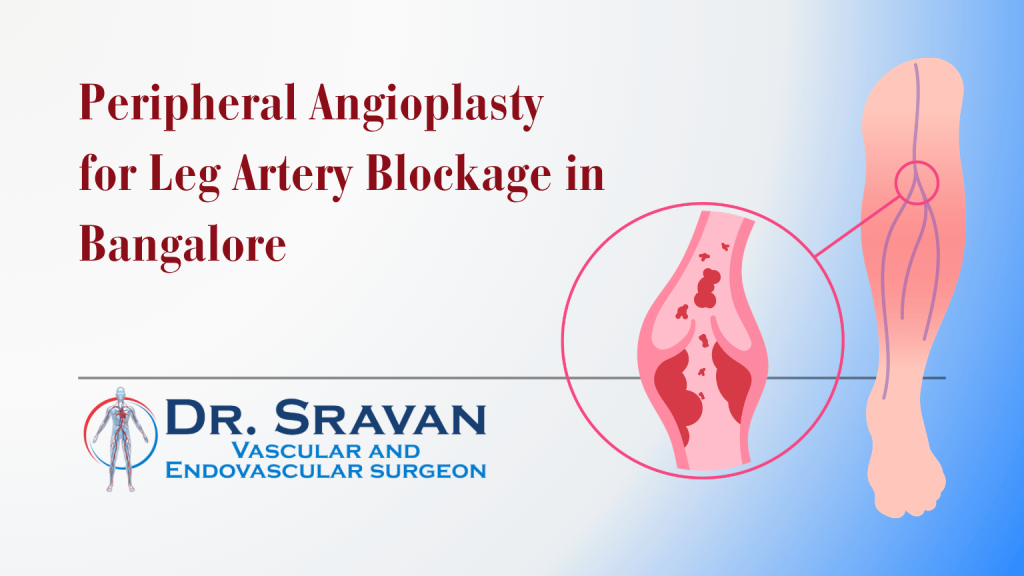
If an artery supplying your leg becomes narrow or blocked, less blood may reach your calf, foot or toes. This can cause pain while walking, pain at rest, a cold foot or a wound that refuses to heal.
Peripheral angioplasty is one treatment that can improve blood flow without making a large surgical cut. During the procedure, a thin tube is guided through the blood vessel to the narrowed area. A small balloon is then inflated to widen the artery. In some cases, a small mesh tube called a stent is placed to help keep the artery open.
But angioplasty is not automatically needed just because a scan shows a blockage.
The right treatment depends on your symptoms, the severity of the circulation problem, the location and length of the blockage, your general health and whether the expected benefit is greater than the risks. Sometimes medicines, walking therapy and risk-factor control are the best first steps. In other situations, especially when a wound is not healing or the foot is at risk, restoring blood flow becomes urgent.
What Is Peripheral Angioplasty?
Peripheral angioplasty is a minimally invasive procedure used to open a narrowed or blocked artery outside the heart.
When it is performed for leg artery disease, it may treat arteries in the:
- pelvis
- groin
- thigh
- knee
- calf
- foot
A doctor passes a thin flexible tube, called a catheter, through an artery. Using live X-ray images, the catheter is guided to the blocked area. A wire and balloon are then used to widen the artery and improve blood flow.
If the artery still needs support after balloon treatment, a stent may be placed. A stent is a small metal mesh tube that remains inside the artery.
The procedure is also called:
- leg angioplasty
- lower-limb angioplasty
- peripheral artery angioplasty
- angioplasty for peripheral arterial disease
The name may sound complicated, but the basic aim is simple: to improve blood flow to the leg or foot when poor circulation is causing a problem.
Why Do Leg Arteries Become Narrow or Blocked?
The most common cause is peripheral arterial disease, often shortened to PAD.
PAD develops when fatty deposits, cholesterol and calcium build up inside the artery wall. This buildup is called plaque. Over time, the artery becomes narrower and less blood can pass through it.
The process is similar to scale building up inside a water pipe, except that it happens inside a blood vessel and can affect the health of the leg or foot.
The risk is higher in people with:
- diabetes
- smoking or tobacco use
- high cholesterol
- high blood pressure
- kidney disease
- increasing age
- previous heart disease or stroke
- a family history of artery disease
A blood clot can also suddenly block an artery. This is different from the slow narrowing caused by PAD and may require emergency treatment.
For a broader explanation of poor circulation in the legs, read the guide to peripheral arterial disease and its warning signs.
What Symptoms May Mean That Blood Flow to the Leg Is Reduced?
Leg pain does not always come from blocked arteries. Arthritis, back problems, trapped nerves, muscle conditions and vein problems can cause similar discomfort.
However, certain symptoms make an artery problem more likely.
Pain or cramping while walking
You may feel aching, tightness, heaviness or cramping in the calf, thigh or buttock after walking a particular distance.
The pain often improves after you stop and returns when you start walking again.
This is called intermittent claudication. In simple terms, it means the muscles need more blood during walking than the narrowed artery can supply.
Pain in the foot while resting
When circulation becomes more severely reduced, pain may occur even when you are sitting or lying down.
It may be worse at night and may improve temporarily when the leg is placed lower than the body.
Rest pain should not be ignored because it can indicate a serious reduction in blood supply.
A wound that does not heal
A cut, blister, ulcer or toe wound needs good blood flow to repair itself.
Poor circulation can make healing slow or impossible. This is particularly important in people with diabetes, who may also have reduced sensation and a higher risk of infection.
A wound that is not improving needs more than repeated dressings. The blood supply should also be checked.
You can learn more about the combined circulation, wound and infection concerns on the diabetic foot care and treatment guide.
A cold, pale or discoloured foot
Reduced blood flow may make one foot colder than the other. The skin may look pale, bluish or darker than usual, and the toes may become discoloured.
A gradual change needs a vascular assessment.
A sudden change is more urgent.
Sudden severe symptoms
Go to an emergency department immediately if a leg or foot suddenly becomes:
- severely painful
- cold
- pale or blue
- numb
- weak
- difficult to move
This may mean that blood flow has suddenly stopped. Do not wait for a routine appointment in this situation.
Does Every Blocked Leg Artery Need Angioplasty?
No.
A scan can show a narrowing that is not causing enough trouble to justify a procedure. Treating an artery simply because it looks narrow may expose a patient to risk without providing a meaningful benefit.
For some people with stable walking pain, the first treatment may include:
- stopping smoking
- controlling diabetes, blood pressure and cholesterol
- prescribed medicines
- a structured walking programme
- weight and diet support where appropriate
- regular foot checks
Angioplasty may be considered when walking pain continues to limit daily life despite these measures.
It becomes more important when poor circulation is causing:
- pain in the foot at rest
- a non-healing wound
- tissue loss
- gangrene
- a serious risk to the limb
The key question is not:
“Is there a blockage on the scan?”
The more useful question is:
“Is this blockage causing the patient’s symptoms or wound, and is opening it likely to improve the leg or protect the foot?”
How Is the Need for Angioplasty Decided?
The decision is based on the whole patient, not on one scan report.
Your symptoms and walking ability
The doctor may ask:
- How far can you walk before the pain starts?
- Where exactly do you feel the pain?
- Does the pain stop when you rest?
- Do you have pain at night?
- Has your walking distance reduced recently?
- Is the pain affecting work, sleep or daily activities?
The condition of your foot
The feet are checked for:
- wounds
- ulcers
- colour changes
- swelling
- infection
- gangrene
- skin thinning
- loss of hair
- temperature differences
- weak or absent pulses
Your medical history
Important factors include:
- diabetes
- smoking
- kidney disease
- heart disease
- previous stroke
- earlier angioplasty or bypass surgery
- current medicines
- previous problems with contrast dye
The likely benefit
Angioplasty is more likely to be recommended when improving blood flow is expected to:
- increase walking ability
- reduce rest pain
- help a wound heal
- control infection-related tissue damage
- protect the foot or limb
What Tests Are Done Before Leg Angioplasty?
The tests help confirm that the symptoms are caused by poor arterial blood flow and show where the blockage is located.
Ankle-brachial index and toe pressure
The ankle-brachial index, or ABI, compares blood pressure at the ankle with blood pressure in the arm.
It is a simple, non-invasive test that can suggest whether blood flow to the leg is reduced.
In people with diabetes or kidney disease, the arteries may become stiff and difficult to compress. In that situation, toe pressure testing may provide more useful information.
Arterial Doppler scan
An arterial Doppler, also called a duplex scan, uses ultrasound to examine blood flow through the arteries.
It can help identify:
- where the narrowing is
- how severe it may be
- whether blood flow is reduced beyond the blockage
- whether there are other affected arteries
The scan result should always be considered alongside your symptoms and examination. A scan alone does not decide whether angioplasty is needed.
You can read more about this test in the explanation of arterial Doppler scanning and what it can show.
CT angiography or MR angiography
A CT angiogram or MR angiogram creates more detailed images of the blood vessels.
These tests may show:
- the beginning and end of the blockage
- the length of the narrowed area
- the amount of calcium in the artery
- the arteries below the blockage
- whether angioplasty is technically possible
- whether bypass surgery may be a better option
The choice of scan depends on your kidney function, medical history and the information needed for treatment planning.
Catheter angiography
In some cases, an angiogram is performed during the procedure itself.
Contrast dye is injected into the artery and X-ray images show the blood vessels in real time. This allows the doctor to plan and perform treatment during the same session when appropriate.
When Is Peripheral Angioplasty Recommended?
There are several situations in which leg angioplasty may be considered.
Walking pain that is limiting your life
If pain repeatedly stops you from walking, working, shopping or carrying out normal activities, angioplasty may be discussed after medical treatment and structured exercise have been tried or considered.
The aim is to improve walking ability and quality of life.
Pain in the foot at rest
Rest pain can mean that the foot is not receiving enough blood even when it does not need extra blood for walking.
If the circulation is severely reduced, opening the artery may help relieve the pain and protect the tissues.
A non-healing wound or ulcer
A wound may fail to heal because of infection, pressure, diabetes, nerve damage or poor blood flow.
If the artery is not supplying enough blood, angioplasty may be needed to give the wound a better chance to heal.
Improving circulation does not replace wound care. The patient may still need:
- cleaning and dressings
- antibiotics when infection is present
- removal of dead tissue
- pressure relief
- blood sugar control
- treatment of nerve damage
- footwear advice
Tissue loss or gangrene
Blackened tissue, spreading infection or gangrene may indicate that the foot is in danger.
The treatment plan may involve urgent blood-flow assessment, angioplasty, bypass surgery, wound treatment, antibiotics or removal of non-viable tissue.
A diabetic foot with poor circulation
Diabetes can affect the foot in several ways:
- reduced sensation may allow a wound to go unnoticed
- high blood sugar can impair healing
- infection may spread quickly
- pressure can damage the skin
- PAD can reduce the blood supply
When poor circulation is part of the problem, restoring blood flow may be an important part of saving the foot.
What Happens During Peripheral Angioplasty?
The exact technique depends on the artery and the type of blockage, but the procedure usually follows these steps.
1. Preparing the access site
The skin is cleaned and numbed. A small puncture is made in an artery, often in the groin, although another access point may be chosen depending on the blockage and your anatomy.
2. Taking an angiogram
A small amount of contrast dye is injected and X-ray images are taken. This shows the doctor where the artery is narrow or blocked.
3. Guiding a wire across the blockage
A very thin guidewire is carefully passed to the affected area.
Long-standing blockages or heavily calcified arteries can be more technically difficult to cross.
4. Inflating the balloon
A small balloon is placed across the narrowed section and inflated for a short period.
The balloon presses the plaque against the artery wall and creates a wider channel for blood to flow through.
You may feel pressure during this part of the procedure, but the area is usually numbed.
5. Placing a stent if needed
After balloon treatment, the artery is checked again.
A stent may be placed if:
- the artery does not remain open enough
- the artery wall needs support
- the blood-flow result is not satisfactory
- the location or shape of the blockage makes a stent useful
A stent is not required in every angioplasty.
6. Checking the final blood flow
More images are taken to confirm that blood is moving through the treated artery and reaching the vessels beyond it.
The catheter is removed and the access site is closed or compressed.
Is a Stent Always Needed?
No.
Balloon angioplasty and stenting are related but not identical treatments.
| Treatment | What it does | Does it remain inside the artery? |
| Balloon angioplasty | Widens the narrowed area | No |
| Stent | Supports the artery after it has been opened | Yes |
Some arteries respond well to balloon treatment alone. Other arteries need a stent to maintain a satisfactory opening.
The decision depends on:
- the artery being treated
- the length of the blockage
- the amount of calcium
- the result after balloon treatment
- the movement and flexibility of the artery
- the patient’s overall treatment plan
The aim is not to use the most devices. The aim is to achieve a safe and useful improvement in blood flow.
Angioplasty or Bypass Surgery: Which Is Better?
Neither treatment is best for every patient.
Angioplasty treats the blockage from inside the artery. Bypass surgery creates a new route for blood to travel around the blocked section.
Point of comparisonAngioplastyBypass surgeryHow it is doneThrough a small catheter and wireThrough surgical incisionsMain approachOpens the existing arteryCreates a new route around the blockageRecoveryOften shorter and less invasiveUsually longer because it is a larger operationSuitable forSelected blockages and patientsSelected long, complex or difficult blockagesRepeat treatmentMay be needed in some patientsMay also be needed in some patientsFinal choiceDepends on anatomy and treatment goalDepends on anatomy, health and available vein
The decision may depend on:
- where the blockage is
- how long it is
- how heavily calcified the artery is
- the condition of the smaller arteries below the knee
- whether you have had previous treatment
- whether a suitable vein is available for bypass
- the condition of the foot
- your heart, kidney and lung health
- how quickly blood flow needs to be restored
A vascular surgeon who performs both endovascular procedures and bypass surgery can compare the options rather than assuming that one treatment is suitable for everyone.
What Are the Benefits of Peripheral Angioplasty?
The expected benefit depends on the reason for treatment.
Angioplasty may help to:
- reduce pain while walking
- improve walking distance
- relieve pain at rest
- improve blood flow to a wound
- support healing of a diabetic foot wound
- reduce the risk of losing tissue
- help preserve a functional foot or limb
Angioplasty does not cure diabetes, remove all plaque from the body or prevent new blockages from developing elsewhere.
It treats a specific blood-flow problem and should be combined with long-term vascular care.
What Are the Limitations?
Peripheral angioplasty cannot solve every circulation problem.
Some blockages are too long, too hard or too heavily calcified to treat successfully with a catheter-based procedure.
In other cases, the artery may open during treatment but narrow again later.
A wound may also fail to heal if infection, pressure, diabetes or tissue damage is not treated at the same time.
Sometimes bypass surgery provides a more durable or suitable route for blood flow.
The treatment plan should therefore include what happens after the artery is opened, not just the procedure itself.
What Are the Risks of Leg Angioplasty?
Peripheral angioplasty is less invasive than bypass surgery, but it is still an invasive procedure.
Possible risks include:
- bruising at the puncture site
- bleeding or a collection of blood under the skin
- injury to the artery
- formation of a blood clot
- movement of plaque or clot further down the leg
- blockage of the treated artery
- narrowing again in the future
- reaction to contrast dye
- worsening kidney function in vulnerable patients
- infection
- need for another procedure
- rare but serious complications affecting the limb or general health
Your individual risk depends on your age, medical conditions, kidney function, the artery being treated and the complexity of the blockage.
The decision should balance these risks against the likely benefit of improving blood flow.
What Is Recovery Like After Peripheral Angioplasty?
Recovery depends on the artery treated, the complexity of the procedure, the access site and your general health.
You will be monitored after the procedure to check:
- the puncture site
- blood flow in the treated leg
- blood pressure and pulse
- pain and general recovery
Before you leave, you may receive instructions about:
- keeping the puncture site clean and dry
- avoiding strenuous activity for the advised period
- walking and gradually increasing activity
- taking prescribed medicines
- attending follow-up appointments
- caring for a foot wound
- controlling diabetes
- stopping smoking
- returning urgently if symptoms worsen
If angioplasty was performed for a diabetic foot wound, the procedure is only one part of recovery. The wound still needs regular care and pressure must be kept off the affected area.
Do not stop blood-thinning or antiplatelet medicines unless the treating doctor tells you to do so.
Can the Artery Become Narrow Again?
Yes.
A treated artery can narrow again. This is called restenosis.
The risk varies according to:
- the artery treated
- the length of the blockage
- the amount of calcium
- diabetes
- smoking
- cholesterol levels
- the type of treatment used
- progression of artery disease elsewhere
Contact your vascular team if you notice:
- returning walking pain
- a shorter walking distance
- new pain at rest
- a wound that is not healing
- a change in foot colour or temperature
- new numbness or weakness
Early review may identify a circulation problem before it becomes more serious.
When Is a Blocked Leg Artery an Emergency?
Seek immediate medical attention if you develop sudden:
- severe pain in the leg or foot
- coldness of the foot
- pale, blue or rapidly changing colour
- numbness
- weakness
- difficulty moving the toes or foot
- rapidly worsening tissue damage
These symptoms may indicate a sudden loss of blood flow. This is not the same as stable pain that occurs only after walking.
Peripheral Angioplasty With Dr Sravan C.P.S
Dr Sravan C.P.S is a vascular and endovascular surgeon in Bangalore who evaluates and treats conditions affecting blood flow to the legs and feet.
His work includes:
- peripheral arterial disease
- leg artery blockages
- diabetic foot circulation problems
- vascular Doppler assessment
- endovascular treatment
- angioplasty and stenting
- limb-preservation planning
- bypass surgery when appropriate
His qualifications include MBBS, MS in General Surgery, MRCS from the Royal College of Edinburgh, DNB in Peripheral Vascular Surgery and FEVS from National University Hospital, Singapore. He has also served as an Assistant Professor of Vascular Surgery at Sri Jayadeva Institute of Cardiovascular Sciences and Research.
A consultation should not begin with the assumption that angioplasty is automatically required.
It should begin by answering:
- What is causing the symptoms?
- How much blood is reaching the foot?
- Is the wound affected by poor circulation?
- Would medicines and exercise be enough?
- Is angioplasty technically suitable?
- Would bypass surgery offer a better result?
- How urgent is the situation?
- What care will be needed after blood flow is improved?
This careful assessment is especially important for people with diabetes, kidney disease, previous vascular procedures, complex blockages or non-healing wounds.
Read more about Dr Sravan’s training and experience in vascular and endovascular surgery.
When Should You See a Vascular Surgeon?
Arrange a vascular assessment if you have:
- calf, thigh or buttock pain that repeatedly starts while walking
- a noticeable reduction in walking distance
- pain in the foot while resting
- a wound or ulcer that is not healing
- a black or discoloured toe
- one foot that is consistently colder than the other
- diabetes with a foot wound
- a Doppler or CT scan showing a significant leg artery blockage
- symptoms returning after angioplasty or bypass surgery
A vascular consultation can clarify whether you need:
- medicines and risk-factor control
- a walking programme
- further circulation tests
- angioplasty
- stenting
- bypass surgery
- wound and infection treatment
- urgent hospital care
To discuss your symptoms and treatment options, book a vascular consultation with Dr Sravan in Bangalore.
Frequently Asked Questions About Peripheral Angioplasty
What is peripheral angioplasty in simple words?
Peripheral angioplasty is a procedure used to open a narrowed or blocked artery supplying the leg. A small balloon is guided to the blockage and inflated to improve blood flow. A stent may be placed if the artery needs extra support.
Is peripheral angioplasty the same as heart angioplasty?
The basic idea is similar, but the location is different. Heart angioplasty treats arteries supplying the heart. Peripheral angioplasty treats arteries supplying areas such as the legs. The blockages, devices and treatment decisions may differ.
Does every blocked leg artery need angioplasty?
No. Some blockages do not cause enough symptoms to require a procedure. Medicines, walking therapy and control of diabetes, blood pressure, cholesterol and smoking may be appropriate. Angioplasty is considered when symptoms remain limiting or when poor circulation threatens a wound or limb.
Can angioplasty help a diabetic foot wound heal?
It may help if poor blood flow is preventing the wound from healing. However, the wound may also need dressings, infection treatment, pressure relief, removal of dead tissue and better blood sugar control. Angioplasty is one part of diabetic foot treatment, not the entire treatment.
Is a stent always placed during leg angioplasty?
No. Some arteries can be treated with balloon angioplasty alone. A stent may be used when the artery does not remain open enough after balloon treatment or when the location and shape of the blockage make additional support useful.
Is angioplasty better than bypass surgery?
Neither is always better. Angioplasty is less invasive and may suit certain blockages. Bypass surgery may be more suitable for some long, complex or heavily calcified blockages. The choice depends on the artery, your health, the condition of the foot and the expected long-term result.
How long does peripheral angioplasty take?
The duration varies according to the number of arteries involved, the length and difficulty of the blockage and whether additional treatment is needed. Your vascular team can give a more accurate estimate after reviewing your scans.
How long does the benefit of angioplasty last?
There is no fixed answer. Some treated arteries remain open for a long time, while others narrow again. Diabetes, smoking, the artery treated, the length of the blockage and the type of treatment can affect how long the result lasts.
Can I walk normally after leg angioplasty?
Many patients are able to walk better after successful treatment, particularly when walking pain was caused by poor blood flow. Recovery depends on the procedure, the condition of the leg and whether a wound or other medical problem is also present.
When is leg artery blockage an emergency?
Sudden severe pain with a cold, pale, blue, numb or weak foot is an emergency. It may mean that blood flow has suddenly stopped and requires immediate hospital assessment.
Conclusion
Peripheral angioplasty can improve blood flow in selected patients with a blocked or narrowed leg artery.
It may help someone who cannot walk because of circulation-related pain. It may relieve pain at rest. It may also support healing when poor blood flow is contributing to a diabetic foot wound or other tissue damage.
But angioplasty is not required for every blockage found on a scan.
The best treatment depends on the symptoms, the condition of the foot, the location and severity of the blockage, the patient’s general health and the expected benefit of treatment. For some people, medicines and structured walking are appropriate. For others, angioplasty, stenting or bypass surgery may be needed.
Opening the artery is only part of the objective. Protecting the foot, improving circulation and choosing the safest treatment for each patient matter just as much.

