
Vascular Surgeon Near HSR Layout
If you are looking for a vascular surgeon near HSR Layout for leg swelling, varicose veins, artery blockages, diabetic foot wounds, DVT or dialysis access care, Dr. Sravan C.P.S. provides vascular consultations and treatment planning from Basavanagudi, Bengaluru.
Our Expertise
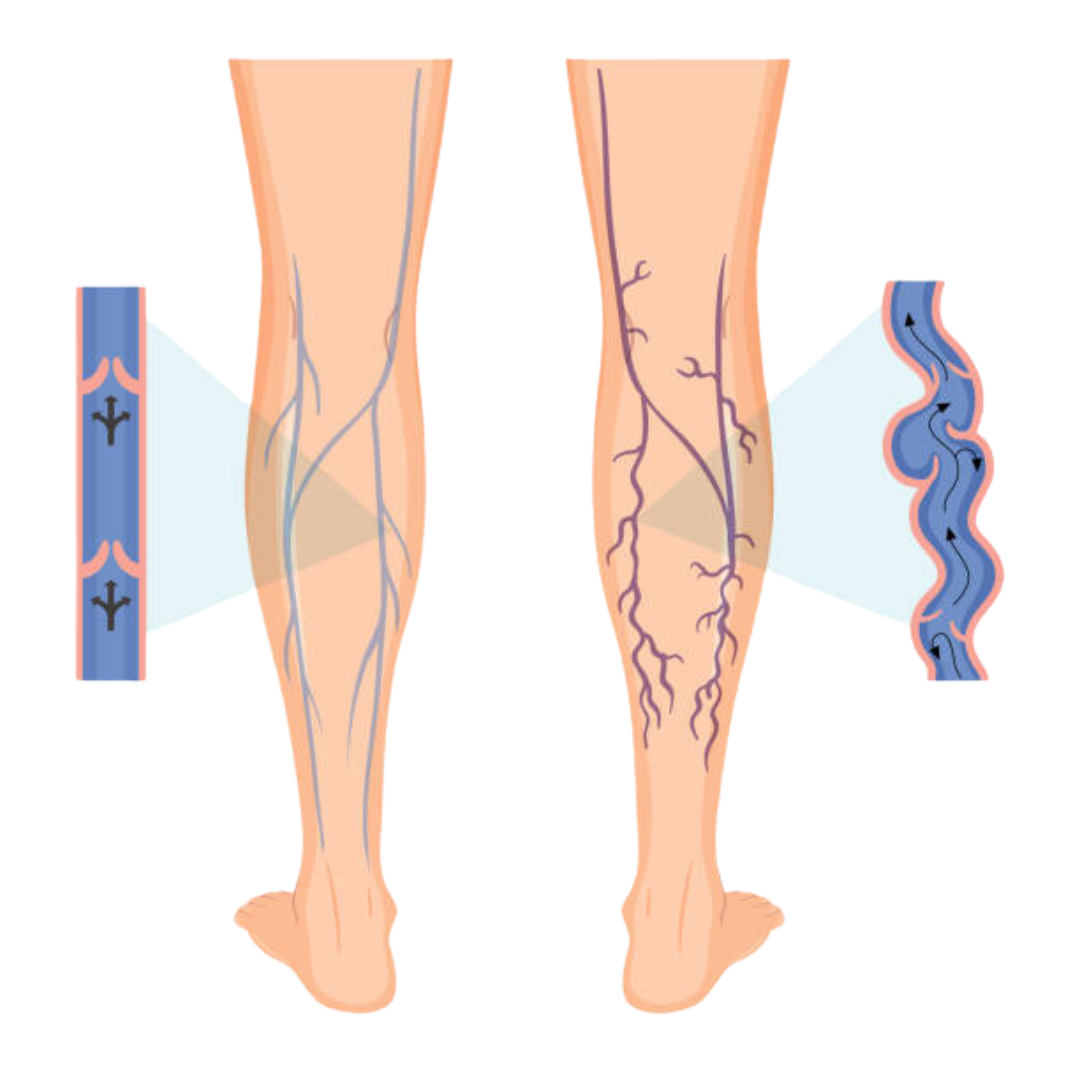
Varicose Veins & Venous Disorders
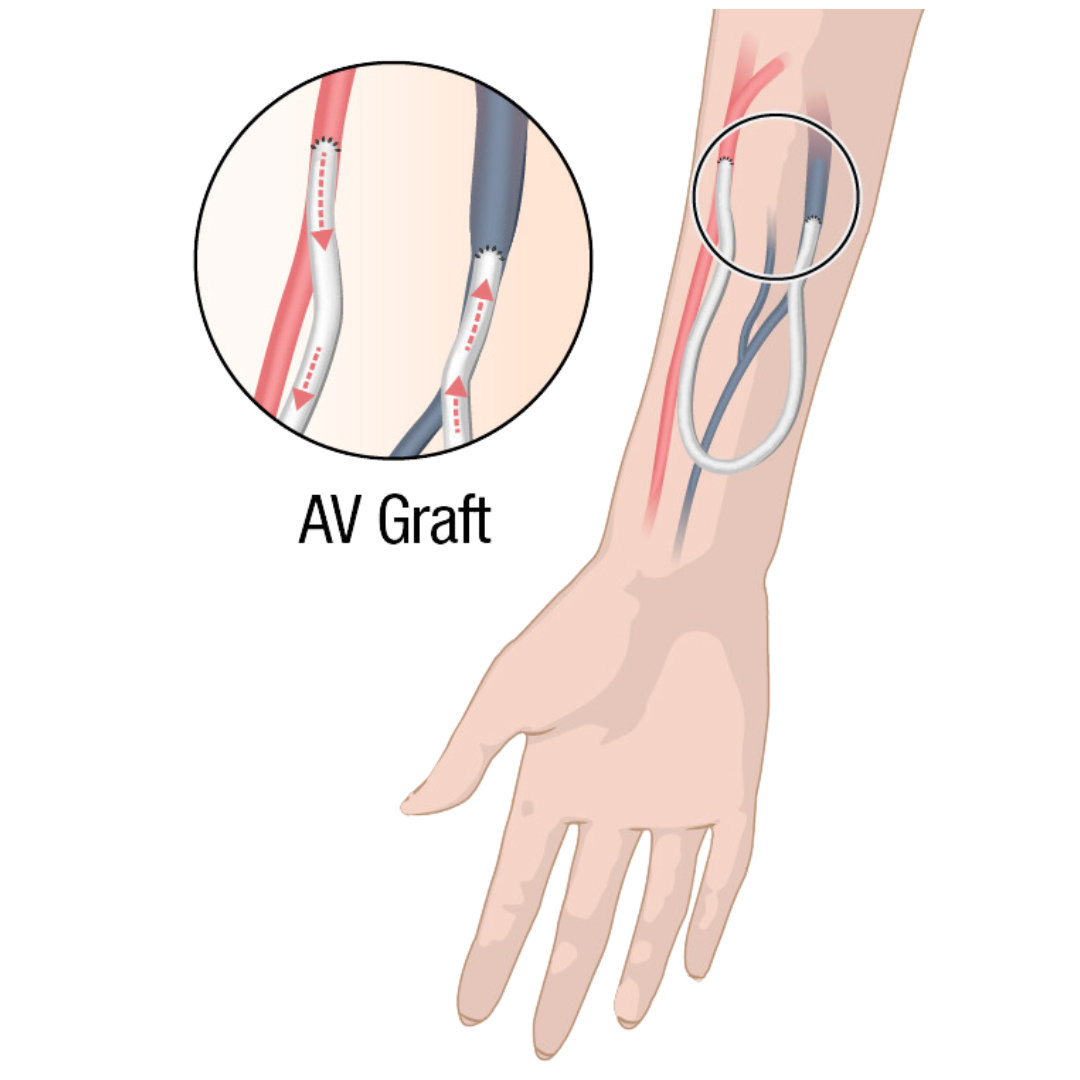
Dialysis Access Surgery
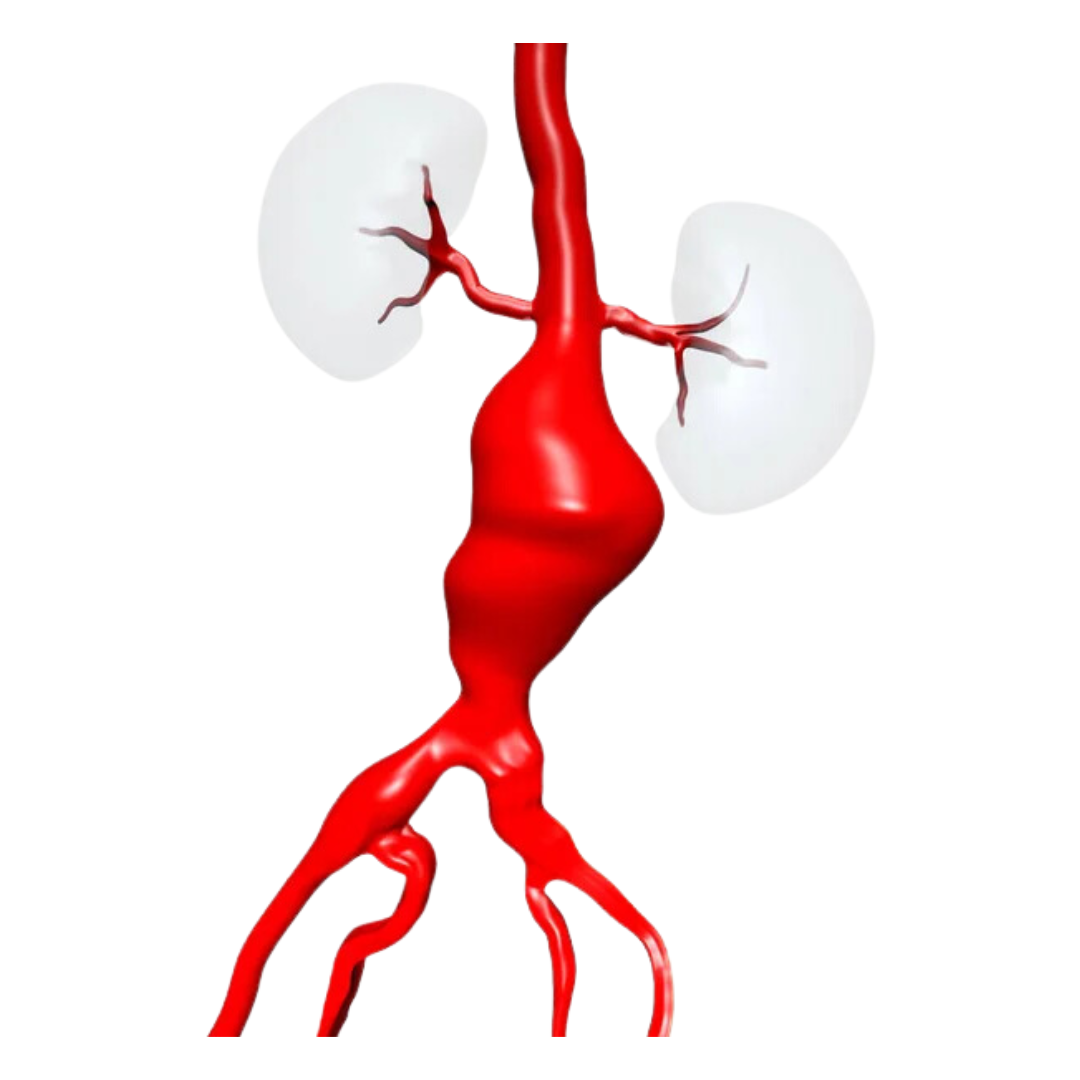
Abdominal Aortic Aneurysm
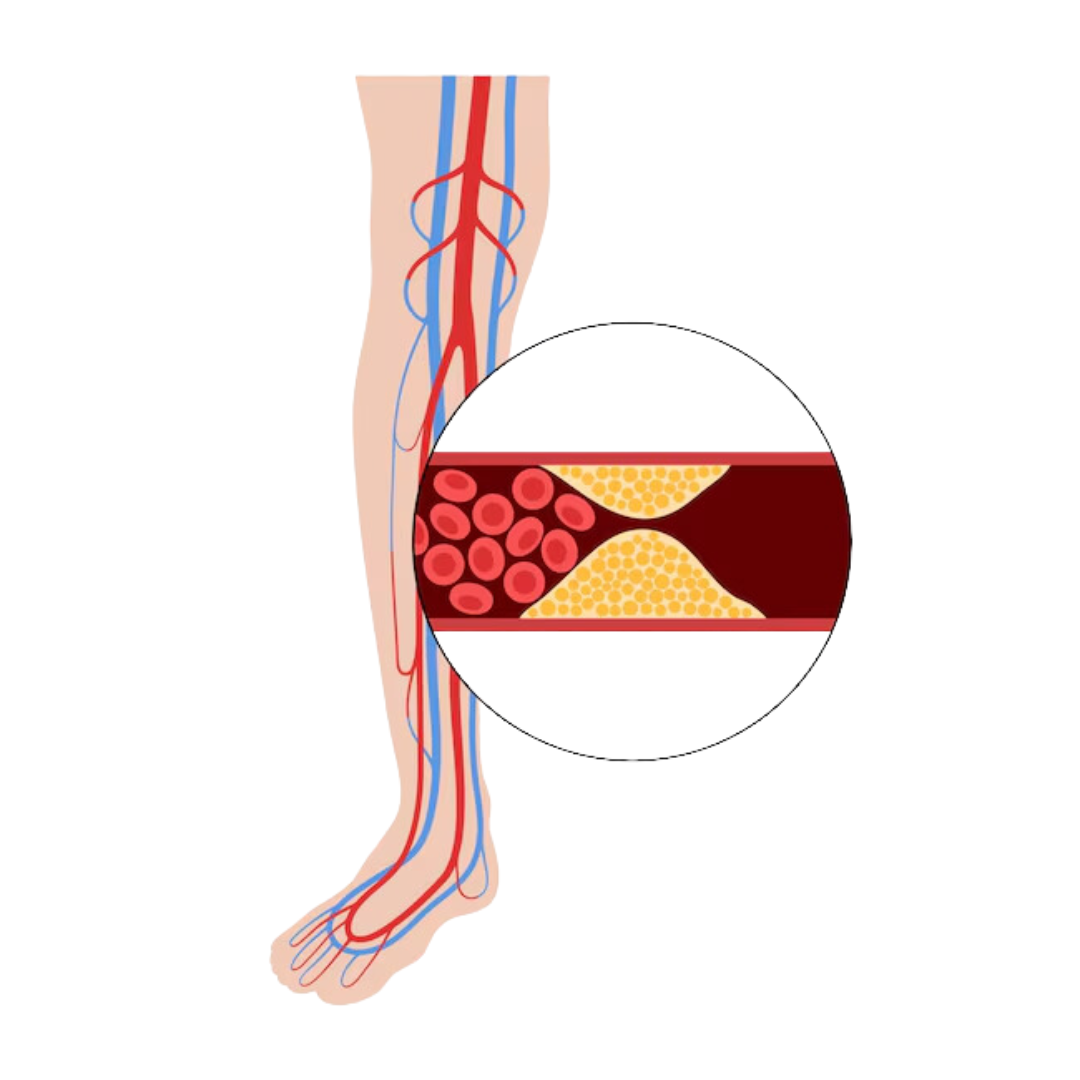
Peripheral Arterial Disease
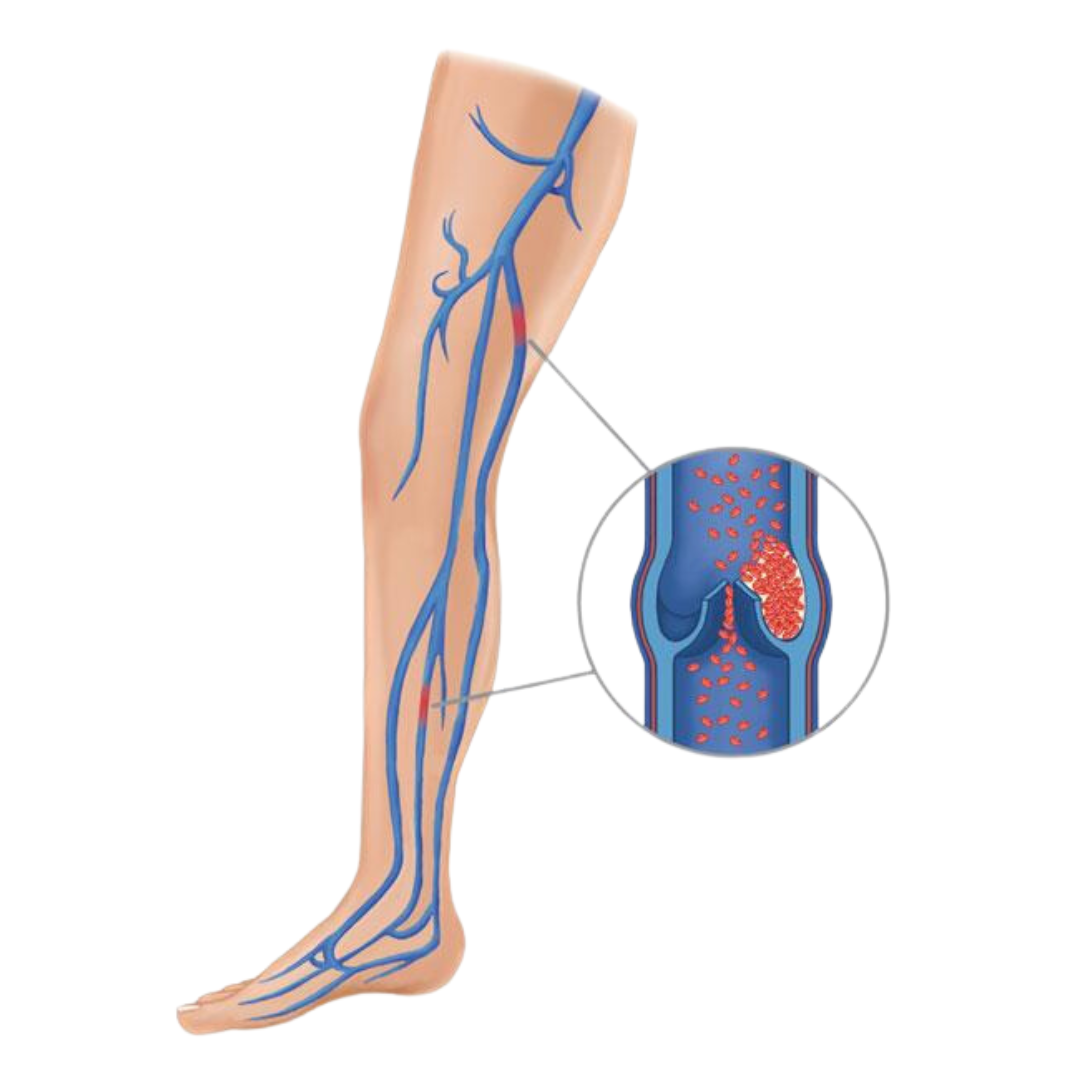
Deep Vein Disorders
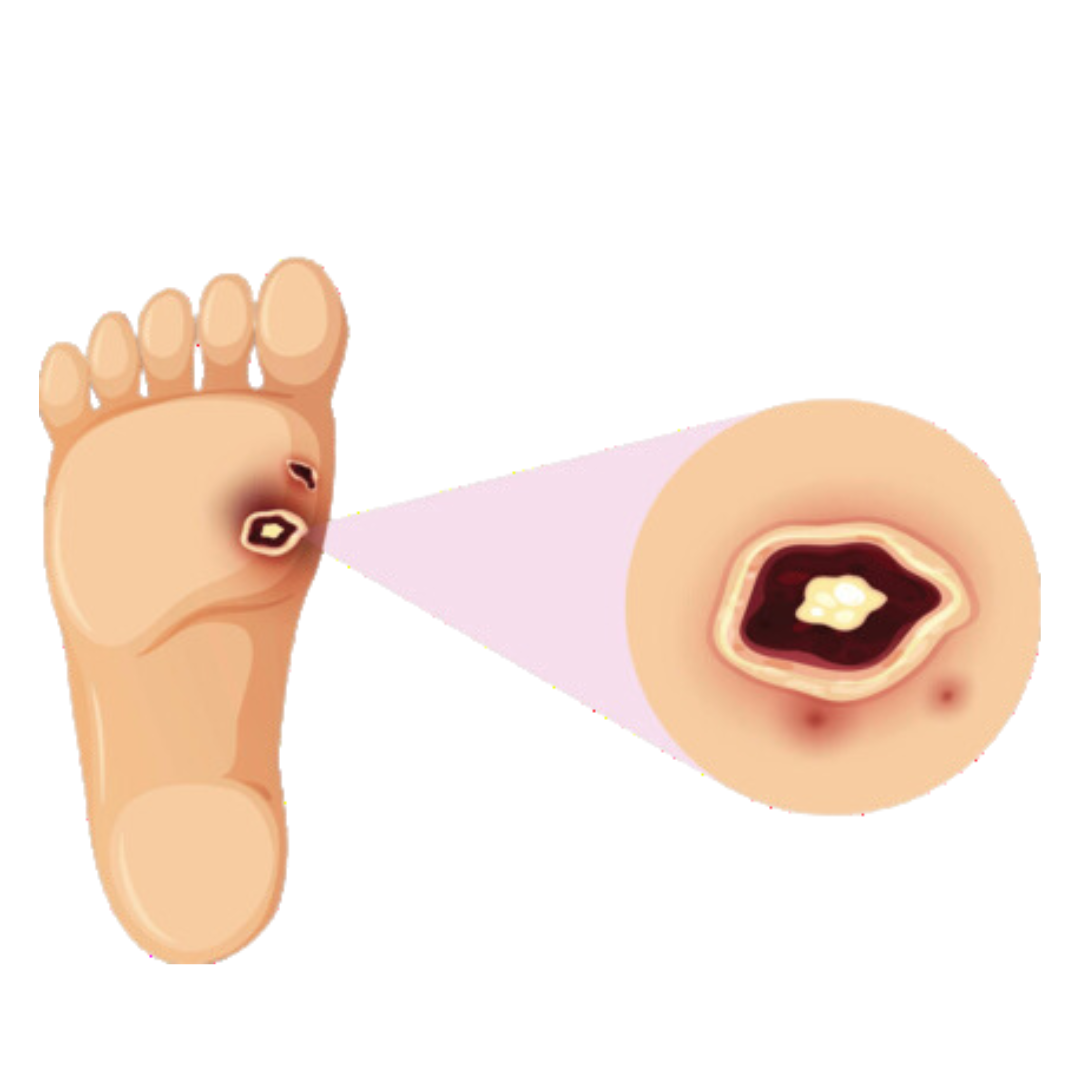
Diabetic Foot Care
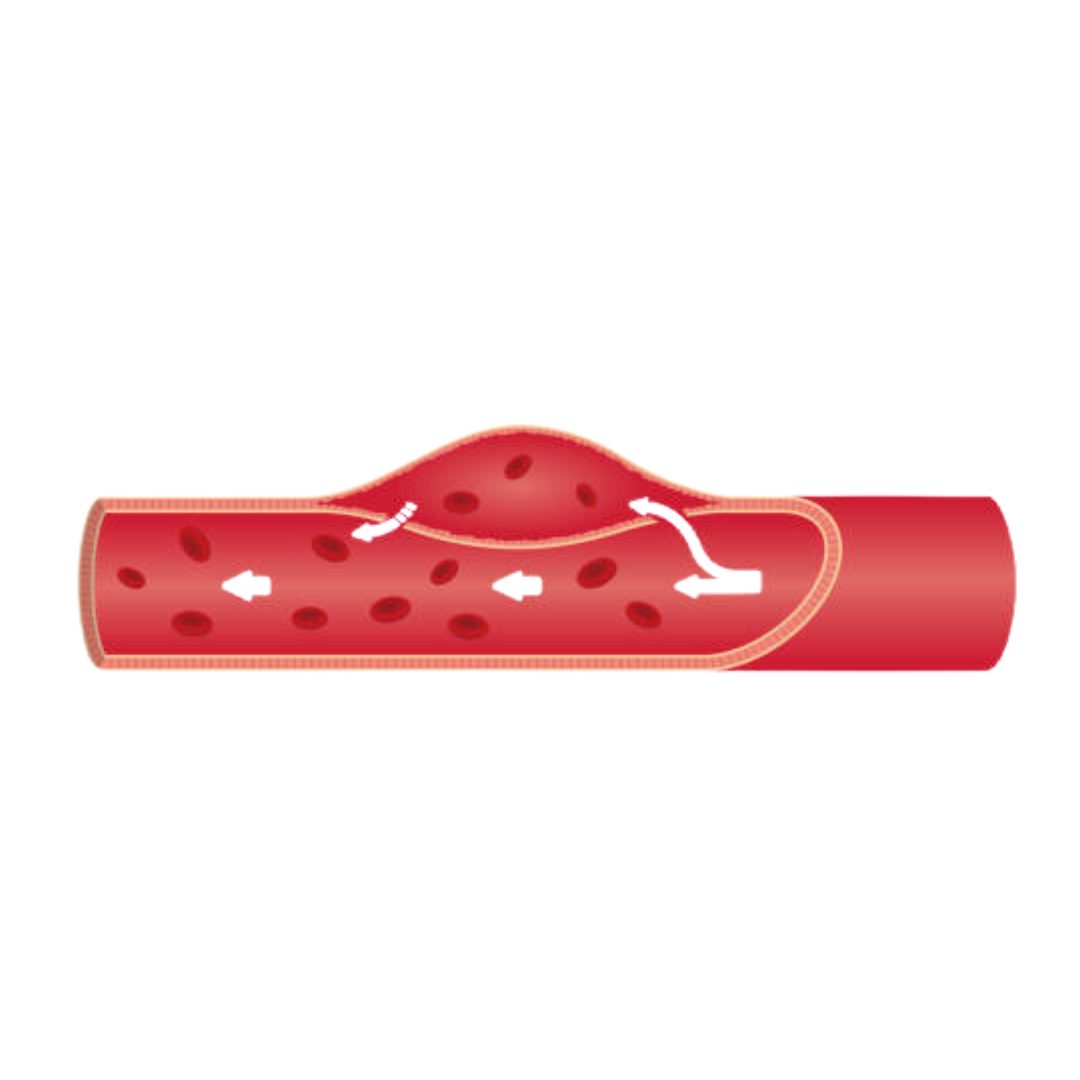
Aortic Dissection
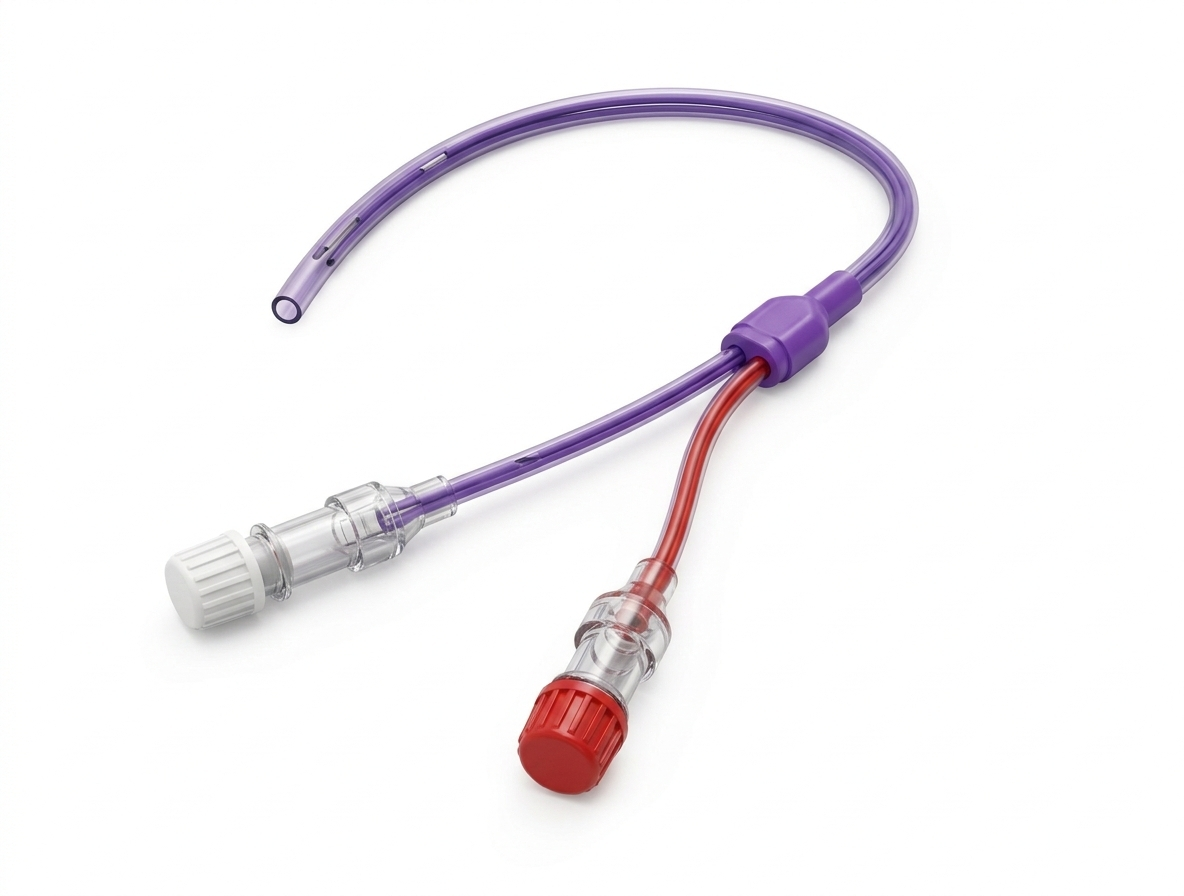
Central Venous access device

Genicular Artery Embolization (GAE)

Uterine Artery Embolization (UAE)

Prostate Artery Embolization (PAE)

Thyroid Artery Embolization (TAE)
Teachers College Circle, near RV, Basavanagudi, Bengaluru, Karnataka 560004
drsravanvascular@gmail.com
+91 99945 43335
+91 93533 84953
Book an Appointment

About Dr. Sravan
My approach to patient care is guided by a simple yet profound philosophy: I view each patient through the lens of family, offering the same level of respect, care, and dignity I would want for my own loved ones. My goal is not just to diagnose but to enlighten you about your condition, walking you through the available treatment options to ensure a safe and effective journey to health.
Embracing the latest in minimally invasive techniques alongside traditional surgery, I’m committed to delivering solutions that are not only safe and of the highest quality but also tailored to meet your individual needs and anticipate your future health requirements.
0
+
Years Experienced
0
+
Happy Patients
Patient Testimonials
https://youtu.be/3HnhWhn9Nskhttps://youtu.be/dPofU8_aJWghttps://youtu.be/SzoV6Y9TJzY
Follow Me on Instagram

The clinic near Teachers College Circle, Basavanagudi, is approximately 10 km by road from HSR Layout. Patients from HSR Layout commonly seek vascular evaluation when a circulation problem is not improving with routine treatment, when a leg wound is slow to heal, or when they need a clear second opinion before a procedure. Travel time varies with the starting sector and Bengaluru traffic.
When should you see a vascular surgeon?
Vascular surgeons diagnose and treat conditions affecting arteries, veins and blood flow. Symptoms may begin quietly and are often mistaken for a muscle problem, skin problem or simple swelling.
A vascular assessment may be useful if you have:
- Visible, painful or recurrent varicose veins.
- Heaviness, swelling, itching or skin darkening around the ankles.
- Sudden one-sided leg swelling, calf pain, redness or warmth.
- Leg pain while walking that improves with rest.
- Cold feet, colour change in toes or reduced pulses.
- A non-healing foot wound, especially with diabetes.
- Pain in the foot or toes while resting.
- A dialysis fistula that is not working well.
- A known artery blockage, aneurysm or previous vascular procedure.
Some vascular problems need planned outpatient assessment. Others need immediate emergency care. Sudden severe leg pain, a cold or pale limb, chest pain, breathlessness, coughing blood, or sudden one-sided swelling should not wait for a routine consultation.
Vascular services for patients from HSR Layout
Varicose veins and chronic venous insufficiency
Varicose veins are not always only a cosmetic concern. They can cause pain, heaviness, ankle swelling, itching, skin changes and, in advanced cases, venous ulcers.
The first step is to understand the underlying vein problem with clinical examination and Doppler assessment. Depending on the findings, treatment may include lifestyle measures, compression therapy, sclerotherapy, endovenous laser treatment, radiofrequency ablation or other procedures.
Learn more about varicose veins and venous disorders.
Peripheral arterial disease and leg artery blockages
Peripheral arterial disease, or PAD, occurs when plaque narrows the arteries supplying the legs. Common symptoms include calf pain while walking, leg fatigue, cold feet, slow-healing wounds or pain at rest in advanced disease.
A vascular assessment helps identify whether symptoms are due to a circulation problem and whether medical management, walking therapy, angioplasty, stenting, bypass surgery or a different approach is appropriate.
Read about peripheral arterial disease treatment.
Diabetic foot and non-healing wounds
A wound on the foot of a person with diabetes should never be ignored. Reduced blood flow, infection, neuropathy and pressure-related injury can occur together. The visible wound is only one part of the problem.
Vascular evaluation focuses on blood flow to the foot, wound status and whether revascularisation is required to support healing. Early assessment may help prevent progression to deeper infection or tissue loss.
Explore diabetic foot care and circulation assessment.
Deep vein thrombosis and leg swelling
Deep vein thrombosis, or DVT, is a blood clot in a deep vein, usually in the leg. It can cause sudden swelling, pain, warmth or redness. However, not every swollen leg is DVT, and not every DVT presents in the same way.
A prompt assessment helps distinguish DVT from varicose vein disease, lymphatic swelling, muscle injury or another cause. Treatment decisions depend on the clot location, severity, medical history and risk of complications.
Read more about deep vein disorders and DVT.
AV fistula and dialysis access care
For patients on dialysis or approaching dialysis, a dependable vascular access is essential. Dr. Sravan evaluates veins and arteries before access creation and manages AV fistula-related problems, access planning and selected complex cases.
Learn more about dialysis access and AV fistula surgery.
Complex arterial and endovascular care
Vascular care may also involve carotid artery disease assessment, aortic aneurysm and dissection evaluation, embolisation procedures, mesenteric artery disease and selected venous conditions. The correct treatment is based on imaging, symptoms and the individual vascular anatomy—not on a one-size-fits-all procedure.
What happens during a vascular consultation?
A good vascular consultation should give you clarity, not just a list of procedures.
During the appointment, Dr. Sravan reviews:
- Your symptoms and how they affect daily activity.
- Medical history, diabetes, blood pressure, smoking history and prior procedures.
- Relevant scans, Doppler reports, blood tests or wound photographs.
- Circulation in the legs, feet or the affected area.
- Whether further imaging is needed before deciding on treatment.
Some patients need only medical management and observation. Others may benefit from a Doppler ultrasound, CT angiography, catheter-based treatment or surgery. The recommendation should match the disease stage and the person—not simply the scan report.
Why patients from HSR Layout consult Dr. Sravan C.P.S.
Choosing a vascular surgeon is not only about finding a nearby clinic. It is about ensuring that the source of the circulation problem is identified correctly before treatment is planned.
Dr. Sravan C.P.S. is a Vascular & Endovascular Surgeon with training in vascular surgery, minimally invasive vascular procedures and complex arterial care. His qualifications include MBBS, MS in General Surgery, MRCS from the Royal College of Edinburgh, DNB in Peripheral Vascular Surgery and fellowship training in Vascular & Endovascular Surgery from the National University Hospital, Singapore.
His approach is based on four principles:
- Cause-first assessment: Identify whether the problem is arterial, venous, diabetic-foot related or non-vascular before recommending treatment.
- Open and endovascular perspective: Choose between medical management, minimally invasive treatment or surgery based on suitability.
- Clear treatment planning: Explain what the scan means, what needs treatment now and what can be monitored.
- Continuity of care: Plan follow-up after procedures, wound treatment or long-term vascular-risk management.
Dr. Sravan has also been recognised by Outlook among South India’s doctors in vascular surgery. Recognition is meaningful only when matched by appropriate diagnosis, ethical recommendations and careful follow-up for each patient.
You can read more about Dr. Sravan’s qualifications and clinical approach.
Vascular care accessible from HSR Layout
Dr. Sravan consults in Basavanagudi, near Teachers College Circle. For patients travelling from HSR Layout, the clinic is approximately 10 km away by road. It is important to plan around Bengaluru traffic and the location within HSR Layout.
Before your visit, keep relevant documents ready:
- Previous Doppler, CT angiography or MRI reports.
- List of current medicines, especially blood thinners.
- Diabetes, kidney-function or cholesterol reports if available.
- Discharge summaries from previous surgeries or hospital admissions.
- Clear photographs of a foot wound or leg skin change, if relevant.
This helps make the consultation more focused and avoids repeat testing where a good-quality recent scan is already available.
When should you seek emergency care instead?
Do not wait for an outpatient vascular appointment if you have:
- Sudden severe pain, numbness or weakness in a leg.
- A cold, pale, blue or blackening foot.
- Sudden one-sided leg swelling with breathlessness or chest pain.
- Heavy bleeding from a varicose vein.
- A diabetic foot wound with fever, spreading redness, black tissue or foul-smelling discharge.
- Sudden severe abdominal pain in someone with known vascular disease or irregular heartbeat.
These symptoms may need immediate hospital assessment.
Book a vascular consultation
If you have recurring leg symptoms, a non-healing wound, suspected vein disease, known arterial blockage or need a second opinion on a vascular procedure, request a consultation with Dr. Sravan C.P.S.
Request a vascular consultation
Is Dr. Sravan located in HSR Layout?
Dr. Sravan consults in Basavanagudi, near Teachers College Circle. The clinic is approximately 10 km by road from HSR Layout, making it accessible for patients seeking a dedicated vascular evaluation.
When should I consult a vascular surgeon for leg pain?
Consult a vascular surgeon if leg pain occurs while walking and improves with rest, if the foot feels cold, if there are colour changes, if wounds heal slowly or if pain occurs even at rest.
Can a vascular surgeon treat varicose veins?
Yes. A vascular surgeon assesses the vein circulation, often using Doppler ultrasound, and recommends care based on the cause and severity. Treatment may range from conservative care to laser, radiofrequency ablation, sclerotherapy or surgery.
Is sudden leg swelling always DVT?
No. Sudden swelling can have several causes, but DVT must be ruled out promptly because it can be serious. Seek urgent medical assessment for one-sided swelling, calf pain, redness, warmth, chest pain or breathlessness.
When should a diabetic foot wound be checked?
A diabetic foot wound should be assessed early, especially if it is painful, increasing in size, not healing, producing discharge, showing skin colour change or associated with fever. Blood-flow assessment may be important for wound healing.
Does every artery blockage need angioplasty or surgery?
No. Treatment depends on symptoms, severity of narrowing, the artery involved and overall health. Some patients need risk-factor control and monitoring, while others may require angioplasty, stenting or surgery.
