Vascular Surgeon in Chamarajpet for Varicose Veins, Leg Swelling and Chronic Venous Ulcers
In older residential areas like Chamarajpet, patients often live with leg swelling for years before seeking evaluation. Swelling that worsens in the evening, skin darkening near the ankle, or small wounds that do not heal properly are frequently signs of chronic venous disease. These are not minor cosmetic issues. They indicate sustained pressure changes inside leg veins.
Dr. Sravan C.P.S is a Vascular and Endovascular Specialist providing artery and vein evaluation for patients from Chamarajpet. The centre in Basavanagudi is accessible for Doppler-based circulation testing and structured treatment planning.
What Causes Long-Term Leg Swelling?
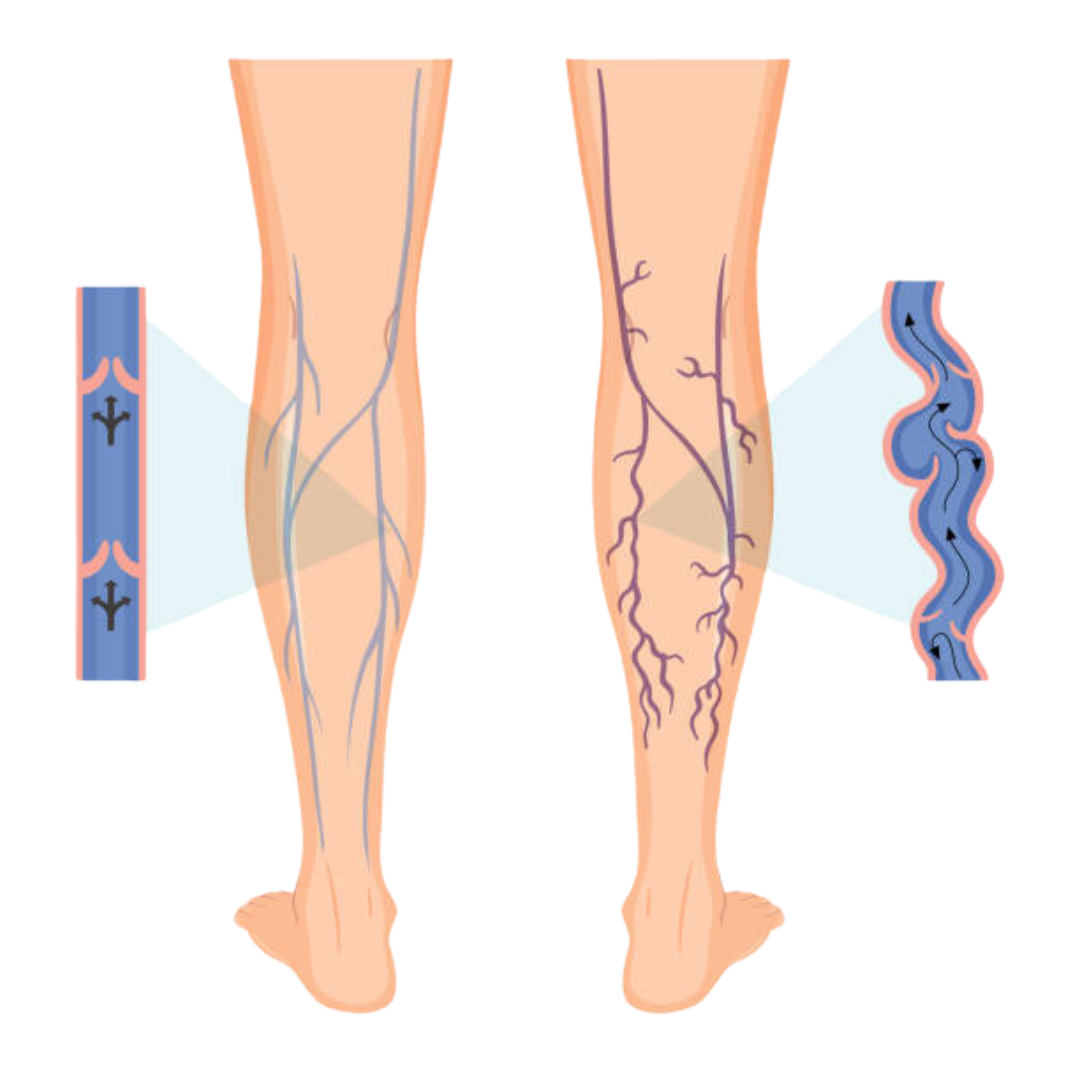
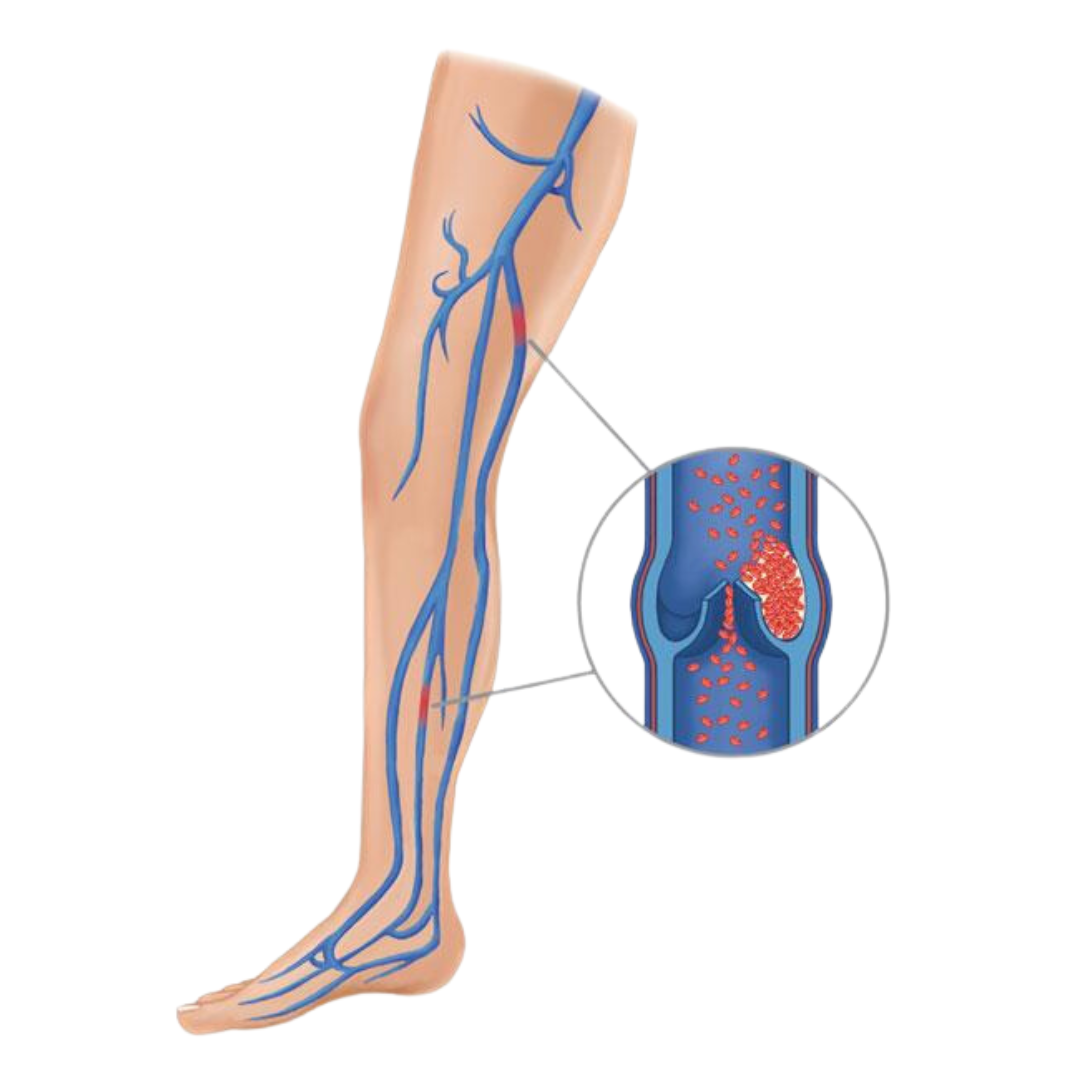
Chronic leg swelling commonly occurs due to venous valve dysfunction.
When vein valves weaken:
- Blood flows backward
• Pressure builds in lower legs
• Fluid accumulates
• Skin gradually thickens
Over time, untreated venous disease can progress toward ulcer formation.
Why Does Skin Near the Ankle Become Dark?
Persistent venous pressure causes:
- Leakage of blood components into tissues
• Brownish skin discoloration
• Thickened skin texture
• Itching or irritation
This stage indicates progression beyond early varicose veins.
What Are Venous Ulcers?
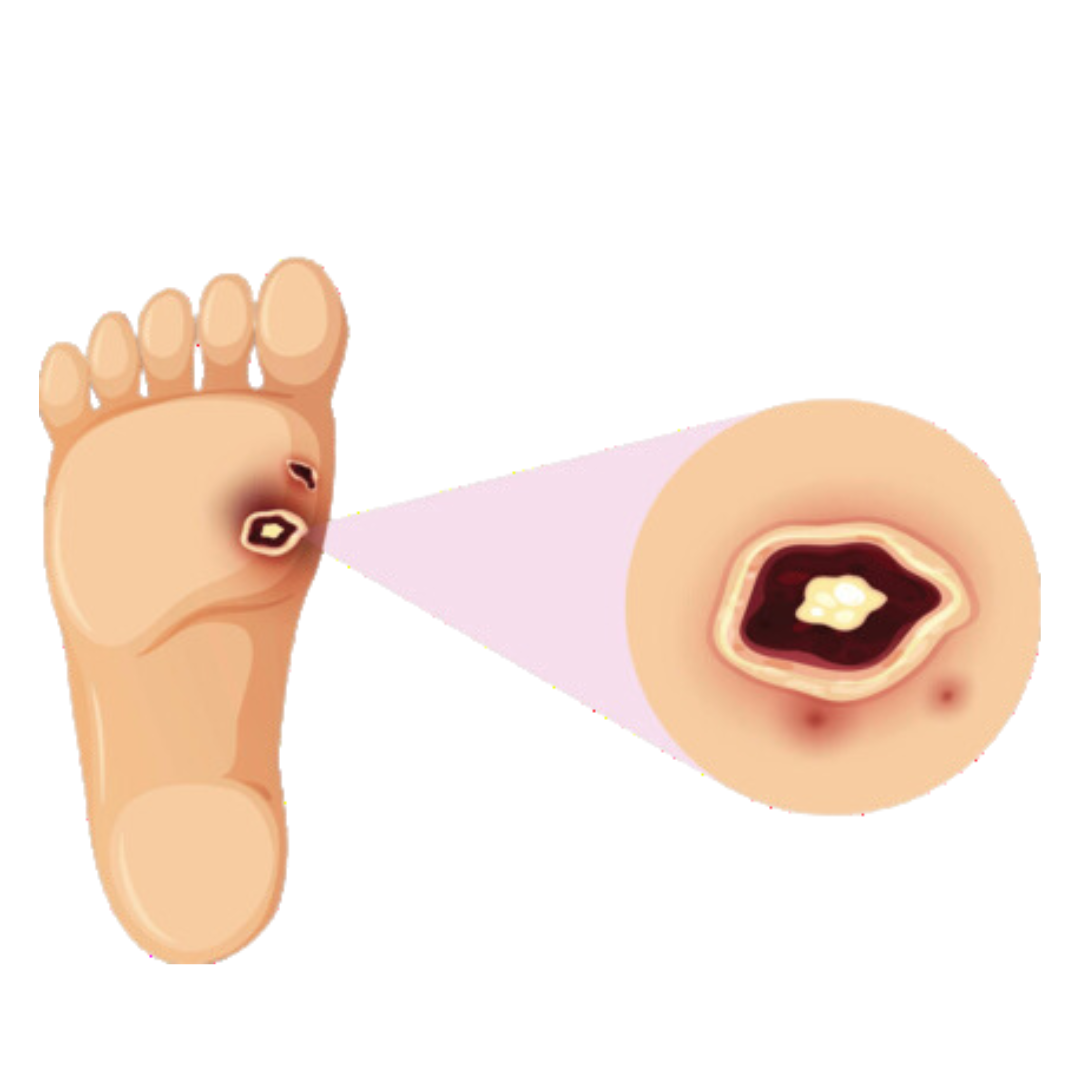
Venous ulcers are wounds that develop near the ankle due to prolonged vein dysfunction.
They usually:
- Heal slowly
• Recur repeatedly
• Cause discomfort
• Increase infection risk
Early vascular correction reduces recurrence.
How Are Varicose Veins Evaluated?
Assessment includes:
- Detailed history
- Leg examination
- Doppler ultrasound vein mapping
- Valve reflux grading
Treatment planning depends on severity and symptom burden.
Are Modern Varicose Vein Treatments Surgical?
Most current treatments are minimally invasive.
Options may include:
- Endovenous thermal closure
• Ultrasound-guided interventions
• Targeted vein procedures
These techniques avoid large incisions and allow faster recovery when indicated.
Can Chronic Swelling Be Reversed?
Improvement depends on:
- Duration of symptoms
• Stage of vein damage
• Presence of skin changes
Earlier treatment produces better outcomes.
What If Leg Swelling Is Sudden?
Sudden one-sided swelling may indicate Deep Vein Thrombosis.
Warning signs:
- Rapid increase in size of one leg
• Calf tenderness
• Warmth over area
Immediate Doppler evaluation is necessary.
Is Walking Pain Related to Vein Problems?
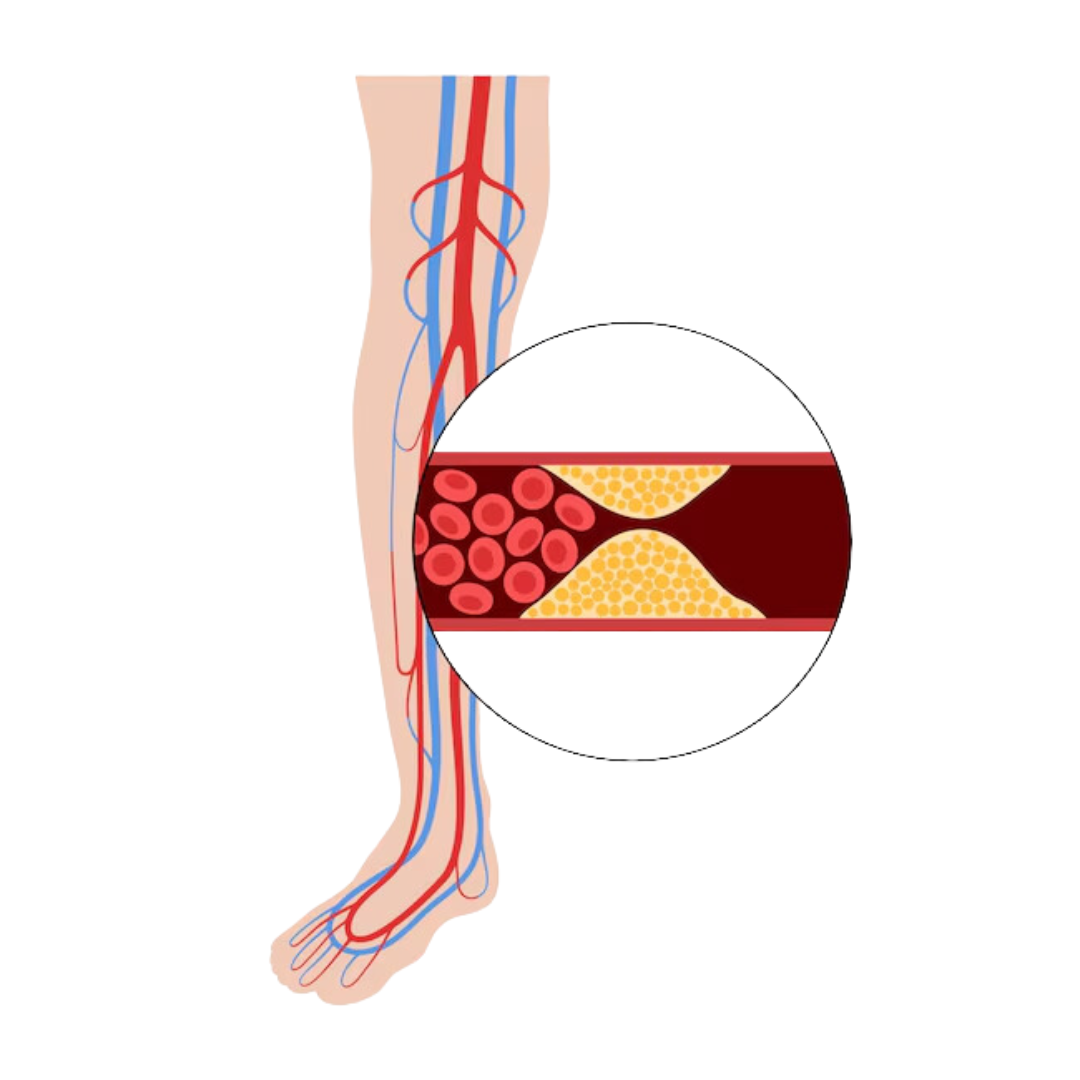
Walking pain that improves with rest may suggest Peripheral Arterial Disease rather than venous disease.
Arterial symptoms include:
- Calf cramping
• Reduced walking capacity
• Cold sensation in feet
Differentiation requires vascular testing.
How Does Diabetes Affect Vein and Artery Health?
Diabetes impacts both arteries and veins.
Patients should seek evaluation if:
- Foot wounds persist
• Skin discoloration worsens
• Numbness increases
Circulation testing helps determine whether arterial flow is compromised.
What Happens During a Consultation for Chamarajpet Patients?
Consultation includes:
- Symptom assessment
• Physical vascular examination
• Doppler ultrasound testing
• Stage classification
• Treatment discussion
Referral is not required.
Why Do Long-Standing Residential Areas Show More Venous Disease?
In established neighbourhoods like Chamarajpet, many residents:
- Have prolonged standing routines
• Delay medical evaluation
• Attribute swelling to age
Structured vascular evaluation clarifies the cause and prevents progression.
Areas Around Chamarajpet Served
Patients commonly consult from:
- Chamarajpet
• Basavanagudi
• Hanumanthanagar
• Banashankari
• Padmanabhanagar
• Kathriguppe
The Basavanagudi centre is located within convenient travel distance.
FAQs
Why are my legs darker near the ankle?
Chronic venous pressure can cause skin discoloration over time.
Can venous ulcers heal without vein treatment?
Healing is slower if underlying valve dysfunction is not corrected.
Are varicose veins only cosmetic?
No. They can progress to swelling, skin damage, and ulcers.
How long does Doppler testing take?
It is a non-invasive assessment typically completed during consultation.
Can swelling in both legs be vascular?
Yes. Bilateral swelling may be related to venous insufficiency.
Is every swollen leg a clot?
No. Chronic venous disease is a common cause of gradual swelling.
Can I directly consult from Chamarajpet?
Yes. Direct consultation is possible without referral.
 Skip to content