Skip to content
Transarterial Microembolization (TAME)
Transarterial Microembolization (TAME) Treatment in Bangalore
Minimally Invasive Option for Chronic Joint & Tendon Pain by Vascular & Endovascular Specialist – Dr. Sravan C.P.S
Chronic joint or tendon pain often traps patients in a loop.
First, they try rest and physiotherapy. Next, they use painkillers and injections. After that, many get told to “wait” for surgery.
Transarterial Microembolization (TAME) breaks that pattern for the right patient.
It is a minimally invasive, image-guided procedure that targets abnormal tiny blood vessels linked to chronic inflammation and pain. In many musculoskeletal conditions, these new vessels (neovascularization) help sustain inflammation. TAME reduces that abnormal flow and aims to reduce pain.
In Bangalore, Dr. Sravan performs TAME at a centrally located hospital in Basavanagudi, with convenient access from Jayanagar, JP Nagar, Banashankari, Wilson Garden and CBD Bangalore.
Overview: What TAME Treats and Why It Matters
TAME is part of musculoskeletal embolization. Doctors use it for chronic musculoskeletal pain when conservative care fails.
Most commonly, it targets pain linked to inflammation in or around joints and tendons, such as:
Knee osteoarthritis (when performed around the knee, many call it Genicular Artery Embolization / GAE)
Frozen shoulder (adhesive capsulitis) Interventional
Chronic tendinopathies (for example, plantar fasciitis and Achilles tendinopathy in selected cases)
TAME matters because it offers a pinhole alternative before major surgery in selected patients. It also helps patients who cannot undergo surgery due to medical risk.
What Is the TAME Procedure? (Simple Explanation)
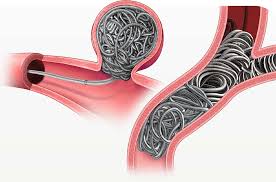
TAME is a targeted embolization technique.
The doctor identifies small abnormal vessels feeding inflamed tissue. Then the doctor blocks them using a micro-catheter and micro-embolic material.
This approach aims to:
reduce hypervascular inflammation, and
interrupt the chronic pain cycle.
How TAME Works: Step-by-Step
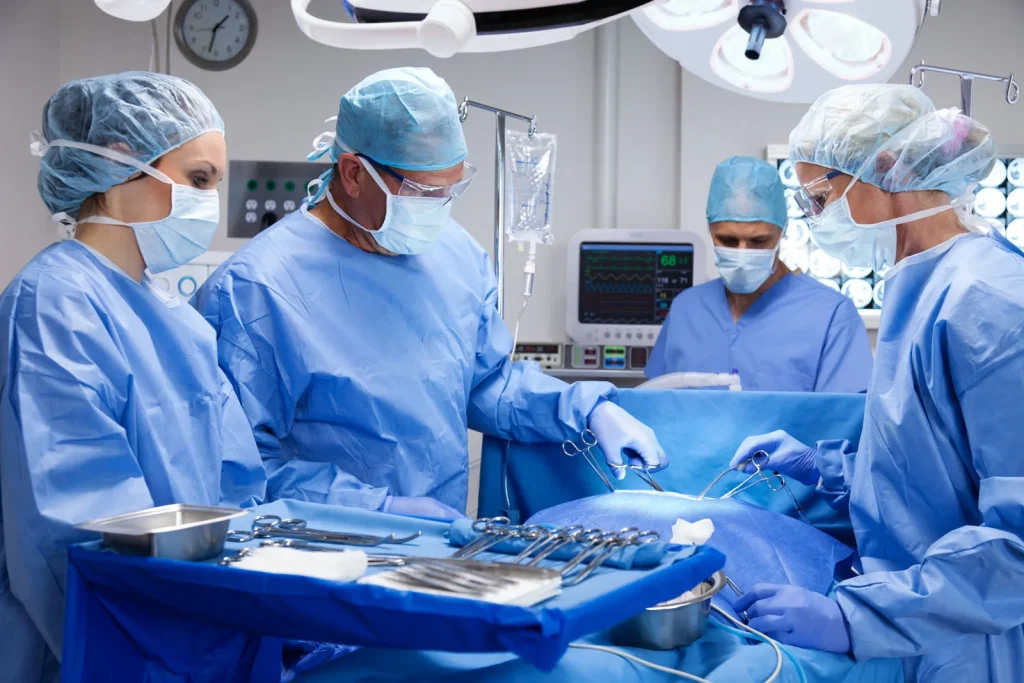
Preparation
The team checks your reports and pain history. They often review ultrasound/MRI/X-ray findings depending on the problem.Local anaesthesia
The doctor numbs the skin at the access site (usually wrist or groin).Catheter navigation
The doctor inserts a small catheter. Under real-time imaging, they guide it to the arteries supplying the painful region.Angiography (mapping)
The doctor injects contrast to identify abnormal vascular “blush” linked to inflammation and pain.Microembolization
The doctor performs super-selective embolization of the abnormal vessels using a micro-catheter and embolic material, chosen based on indication and safety.Recovery
You rest for a few hours. Many patients go home the same day or after short observation, based on the treated site and protocol
Symptoms: When to Consider TAME
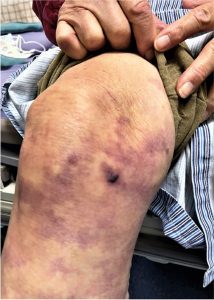
TAME fits best when pain persists despite proper conservative care.
You may be a candidate if you have:
Pain for 3+ months (often longer)
Pain that limits walking, stairs, sleep, or work
Pain that returns after rest, physio, or injections
Imaging that supports a chronic inflammatory pain condition (varies by joint/tendon)
TAME is not for every pain pattern. However, it often becomes a strong option when you want minimally invasive relief and you want to avoid repeated injections or premature surgery.
Solutions and Types: Where TAME Fits and Why It Often Wins
1 .Standard solutions (first line)
Physiotherapy and load management
Weight management (for knee pain)
Pain medicines (short term, as advised)
Targeted injections in selected cases
These help many patients. Still, chronic pain often returns.
2 Surgery (last step for many patients)
Surgery works for clear structural problems.
However, many patients are not ready for it. Some patients are not fit for it.
3 Why TAME often performs better for the right patient
TAME targets the pain-inflammation blood supply, not just symptoms. It also avoids open surgery.
Therefore, for selected patients:
It offers a logical step between conservative care and surgery.
It supports faster return to routine activity than many surgical pathways (case-dependent).
It treats the inflammatory “driver” seen on angiography.
4 “Types” of TAME in practical terms
Clinics usually describe TAME by the body area:
Knee OA TAME (often called GAE)
Shoulder TAME (used in chronic shoulder pain such as adhesive capsulitis in published reviews)
Tendon-focused TAME (used in chronic tendinopathies in emerging evidence)
Why Dr. Sravan Is a Strong Choice for TAME in Bangalore
Why Dr. Sravan Is a Strong Choice for TAME in Bangalore
1 TAME is a vessel procedure. You need a vessel expert.
TAME needs deep arterial anatomy knowledge and micro-catheter precision. It also demands disciplined technique to avoid non-target embolization.
Dr. Sravan is a Vascular & Endovascular Specialist.
He works on complex arterial and venous systems as a core specialty. That alignment matters for TAME quality.
2 Advanced imaging setup and controlled targeting
TAME relies on angiography to find abnormal vascularity and treat it precisely.
Dr. Sravan performs these procedures in an advanced cath-lab environment designed for image-guided vascular work.
3 Proper patient selection and risk control
TAME is promising, but technique and selection matter. Literature also reports that complications can occur, especially in higher-risk vascular situations.
Dr. Sravan’s vascular background supports stricter screening and safer planning.
4 Central Bangalore access (Basavanagudi)
Basavanagudi location supports easy access from Jayanagar, JP Nagar, Banashankari, Wilson Garden, and CBD Bangalore, while still serving patients from anywhere in Bangalore.

Advanced cath lab in Basavanagudi, central Bangalore (TAME)
Transarterial Microembolization (TAME) with Dr. Sravan is performed in a Digital Subtraction Angiography (DSA) suite designed for precision vascular work.
This setup supports:
High-resolution arterial imaging to identify abnormal micro-vessels linked to chronic inflammation
Real-time fluoroscopy for controlled catheter navigation
Micro-catheters and modern embolic materials for super-selective targeting of tiny branches
Tight safety control, because accuracy matters in microembolization
The hospital is located in Basavanagudi, Bangalore and is easy to reach from:
Jayanagar
JP Nagar
Banashankari
Wilson Garden
CBD Bangalore and nearby areas
Patients across Bangalore can access advanced, minimally invasive TAME treatment without long travel.
Structured, pain-focused counselling (TAME)
TAME is usually considered to:
Reduce chronic pain driven by persistent inflammation
Improve function and mobility (walking, stairs, daily activity)
Reduce dependence on repeated injections and long-term painkillers
Delay or avoid surgery in suitable cases
With Dr. Sravan, the pathway typically includes:
Review of previous treatments (physio, medicines, injections)
Review of imaging reports (X-ray / MRI / ultrasound, based on condition)
Clear explanation of benefits, limits, and realistic timelines for improvement
Discussion of alternatives (conservative care, injections, surgery)
A safety-first plan based on your arterial anatomy and pain pattern
You do not just get a procedure.
You get a planned, targeted chronic pain strategy.
Strong option for patients who want a modern, less invasive solution (TAME)
Many patients considering TAME have:
Lived with pain for months or years
Tried physiotherapy and medicines without lasting relief
Taken multiple injections with only short-term benefit
Been told “surgery is the only option” or “just manage it”
For suitable cases, TAME with Dr. Sravan offers:
A pinhole catheter procedure, not open surgery
No joint cutting and no large incision
Day-care or short-stay treatment in many cases
Faster return to routine life compared to surgical pathways (case dependent)
A modern option that focuses on both comfort and outcomes
FAQ Block:
1. What is TAME treatment?
TAME is an image-guided procedure that blocks abnormal tiny arteries linked to chronic inflammation to reduce pain.
2. Is TAME a surgery?
No. TAME uses a pinhole catheter approach, not an open surgical cut.
3. What conditions can TAME treat?
Doctors use it for chronic musculoskeletal pain conditions, including osteoarthritis-related pain and selected tendinopathies, when conservative care fails.
4. Is TAME the same as Genicular Artery Embolization (GAE)?
TAME is the broader concept. When doctors apply it to knee osteoarthritis, many call it GAE.
5. How long does the TAME procedure take?
Often around 60–120 minutes, depending on the target area and vessel anatomy. (Time varies by case.)
6. How soon can I return to routine activity after TAME?
Many patients resume light routine activity within days. Your doctor will set limits based on the treated area.
7. Is TAME safe?
Studies describe it as minimally invasive and generally safe when performed by experienced operators, but complications can occur in some settings.
8. Does TAME replace surgery?
Not always. It often serves as a strong option between conservative care and surgery for selected patients.
9. Why choose Dr. Sravan for TAME in Bangalore?
Because TAME is a vessel procedure. Dr. Sravan’s vascular and endovascular specialization aligns directly with micro-catheter embolization techniques and safety-first planning.
10. How do I know if I am eligible for TAME?
You need a clinical evaluation plus review of your imaging and prior treatments. Then the specialist confirms whether TAME fits your pain pattern and anatomy.
Book an Appointment with Dr. Sravan